

 +86-18020396629

Leave Your Message
-
CONTACT NUMBER
-
 CONTACT NUMBER
-

Industry-leading automatic labeling systems engineered to meet the demanding requirements of global export production environments.

Engineered for continuous-duty export production with 680+ panels per shift at 0.01mm label precision.

Automatic QR-scan path optimization via proprietary PNC system — zero manual programming required.

Handles diverse board formats and label sizes, optimized for flat-pack furniture export workflows.

Space-efficient design delivering enterprise-grade labeling accuracy for mid-scale export manufacturers.
The global automatic labeling machine market has experienced robust growth, propelled by the surge in cross-border e-commerce, tightening international compliance standards, and the relentless pressure on export manufacturers to increase throughput while minimizing per-unit labor cost. According to industry analysts, the automated labeling equipment sector is projected to surpass USD 7.2 billion by 2030, with Asia-Pacific export hubs — particularly China, Vietnam, and India — representing the fastest-growing demand centers.
For export-oriented manufacturers, automatic labeling is no longer optional. Regulatory regimes in the EU, North America, and GCC markets now mandate machine-readable traceability labels — barcodes, QR codes, RFID tags — at the individual SKU level. Non-compliance triggers costly customs delays and product recalls. Automatic labeling machines have thus become a strategic export infrastructure investment rather than merely a production convenience.
Six defining advantages that make intelligent automatic labeling the production cornerstone for globally competitive export factories.
Modern automatic labeling machines achieve up to 200 labels per minute in export production environments, supporting three-shift operations with minimal human intervention and maximum uptime for bulk shipment fulfillment.
Servo-driven positioning systems deliver ±0.5mm label placement accuracy, ensuring barcodes and QR codes remain scannable across all downstream supply chain touchpoints — from warehouse receipt to retail POS.
Our proprietary PNC intelligent control platform enables direct QR code scanning for automatic path optimization. Operators simply scan the production order and the system configures label positioning parameters automatically — eliminating programming overhead.
Support for thermal transfer, direct thermal, laser-printed, and pre-printed labels across widths from 20mm to 200mm. Seamlessly handles paper, synthetic, and tamper-evident label stock demanded by export markets.
Built-in GS1, EAN, UPC, and HIBC standard support ensures every label meets importing country regulatory requirements. Integrated vision inspection rejects non-conforming labels before products enter the export packaging stage.
Open API and standard industrial protocols (OPC-UA, MQTT, Modbus) allow seamless integration with factory MES and ERP systems, enabling real-time production tracking and export documentation automation.
The automatic labeling landscape is evolving rapidly. Here are the forces redefining how export factories approach labeling infrastructure investment.
Next-generation automatic labeling machines are incorporating inline AI vision systems capable of verifying label content, barcode readability, and placement accuracy at full line speed. For export manufacturers, this eliminates downstream quality checks and dramatically reduces shipment rejection rates imposed by major retailers and customs authorities.
Cloud-based label management platforms now allow export manufacturers to maintain a single, centrally governed label library that automatically deploys country-specific label variants to production lines worldwide. This eliminates the compliance risk of outdated label versions reaching international markets and dramatically reduces label change-over time.
The EU's Digital Product Passport (DPP) regulation, effective from 2027, requires exporters to embed traceable digital identity into products. Automatic labeling machines are evolving to apply RFID inlays alongside printed labels simultaneously — future-proofing export factories against this approaching regulatory wave.
Driven by ESG commitments and the EU Packaging Regulation, export-focused manufacturers are adopting linerless and recyclable label materials. Modern automatic labeling machines are being engineered with linerless-compatible applicators, reducing label waste by up to 40% and improving the carbon footprint profile of exported goods.
Export manufacturers are increasingly deploying cobots alongside automatic labeling machines to handle irregular product shapes and flexible production batches that traditional fixed-conveyor labeling systems cannot address. This hybrid approach extends the applicability of automated labeling to artisan, luxury, and customized export product categories.
IIoT-enabled automatic labeling machines now collect real-time wear data from applicator heads, peel plates, and servo drives. Machine learning algorithms predict maintenance needs up to 72 hours in advance, virtually eliminating unplanned downtime — a critical advantage for export manufacturers operating on tight container booking schedules.
From wood panel furniture to electronics, automatic labeling delivers decisive competitive advantage across the full spectrum of export-oriented production.
The wood door and flat-pack furniture sector represents one of the most demanding automatic labeling environments in export manufacturing. Products arrive in diverse formats — doors, panels, edge strips, hardware packs — each requiring precise label placement to support downstream assembly by end consumers worldwide.
Our automatic labeling machines achieve 680 wooden doors labeled per day with a three-person shift, maintaining 0.01mm-level machining precision throughout. Integration with our PNC intelligent control system allows direct QR code scanning to auto-configure label positions — a transformative capability for furniture exporters managing hundreds of SKUs per production run.
Leading Chinese furniture exporters including Jiangshan Oppein, TATA Wooden Doors, Sofia Home Furnishings, Kendiya Wooden Doors, and Country Garden Modern Home Furnishings have deployed our automatic labeling solutions as part of their export production infrastructure, achieving measurable reductions in customer complaints and shipping errors.
Cross-border e-commerce is the fastest-growing segment driving automatic labeling machine adoption in export manufacturing. Platforms including Amazon FBA, TEMU, Alibaba, and Lazada impose strict labeling standards — FNSKU, ASIN, country-of-origin, hazmat indicators — that must be correctly applied at the factory level before shipment.
Automatic labeling machines configured for e-commerce export fulfillment can apply multiple label types per product in a single pass: carrier shipping label, platform compliance label, and customs declaration label simultaneously. This consolidation cuts labeling cycle time from an average of 4.2 seconds per unit (manual) to under 0.9 seconds per unit at full automation, while ensuring 100% placement consistency demanded by platform compliance audits.
Variable data printing (VDP) integration allows automatic labeling machines to print and apply unique serialized labels — critical for Amazon's item-level tracking requirements and the emerging EU Digital Product Passport framework.
Electronics export manufacturing presents the most technically demanding automatic labeling scenarios: small form factors, heat-sensitive surfaces, curved enclosures, and the need for tamper-evident serialized labels that support warranty and recall management. Automatic labeling machines deployed in electronics export factories must deliver pinpoint accuracy on components as small as 15mm × 10mm while achieving cycle times compatible with high-speed SMT lines.
In industrial component export — motors, bearings, hydraulic valves — automatic labeling machines provide durable polyester or metal-foil labels capable of surviving harsh logistics environments including temperature extremes, vibration, and chemical exposure. This durability is essential for maintaining part traceability throughout international distribution chains stretching from Asian factories to European maintenance depots.
The integration of automatic labeling machines with Industry 4.0 MES platforms in electronics export factories enables real-time label content validation against the digital twin of the production order — preventing the mislabeling errors that trigger costly field recalls in regulated markets.
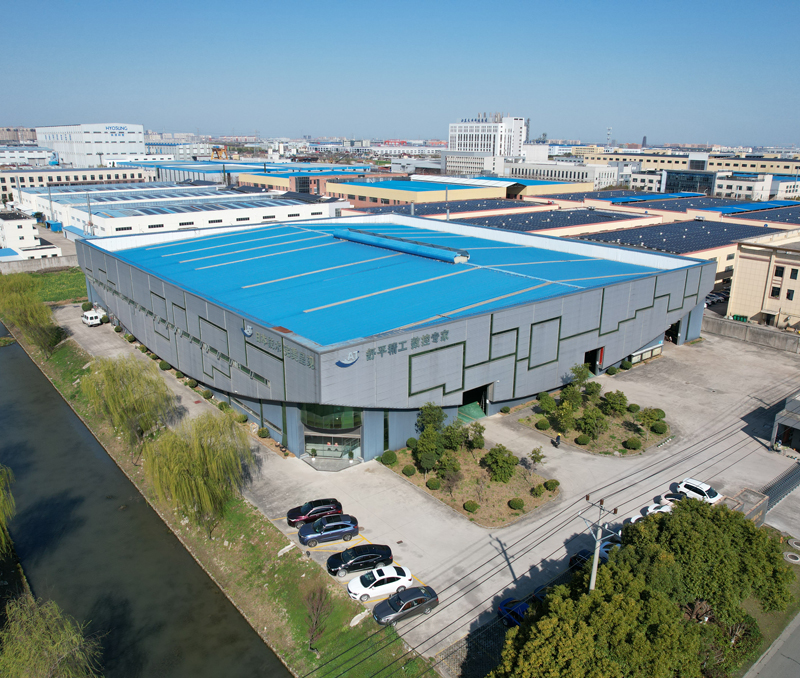
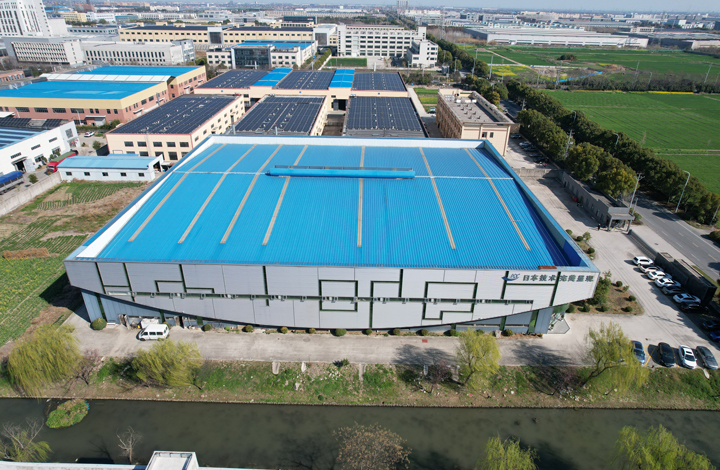
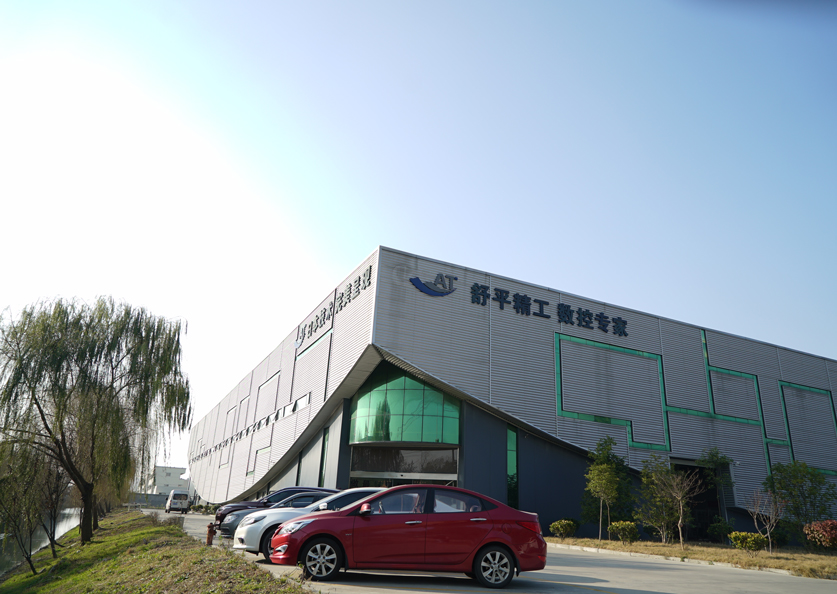
Shanghai Shuping Precision Machinery Co., Ltd. is a well-established Sino-Japanese joint venture. Its core manufacturing base is Shuping Precision Machinery (Nantong) Co., Ltd., which commenced full-scale production in 2017 and occupies a total floor area exceeding 13,000 square meters. Since its establishment in 1995, the company has consistently focused on the R&D, production, sales, and service of CNC woodworking machinery, dedicated to providing the global woodworking industry with intelligent solutions that are "faster, more precise, more accurate, and more economical."
Our technological heritage originates from Japan. Over a fifteen-year period, the company provided OEM manufacturing services for renowned Japanese enterprises, gaining profound expertise in precision machining techniques originating from Matsuhama, Japan in the 1970s. Building upon this foundation, we established our proprietary brand CAT Shanghai in 2010 and simultaneously founded the CAT JAPAN R&D Center in Japan, ensuring our core technologies remain at the forefront of global innovation.

Welcome To Learn About Our Company
Our technological heritage originates from Japan. Over a fifteen-year period, the company provided OEM manufacturing services for renowned Japanese enterprises, gaining profound expertise in precision machining techniques originating from Matsuhama, Japan in the 1970s. Building upon this foundation, we established our proprietary brand CAT Shanghai in 2010 and simultaneously founded the CAT JAPAN R&D Center in Japan, ensuring our core technologies remain at the forefront of global innovation.
In 2017, the modern production base in Nantong, located within the Jiangsu Hai'an Economic and Technological Development Zone, officially commenced operations, marking the company's entry into a new phase of large-scale, intelligent development. Leveraging this advanced manufacturing platform, we assembled an elite technical team comprising experts in electrical engineering, software, design, and process technology.
We have accumulated over 52 nationally accepted and authorized patents, comprehensively covering the entire spectrum of wood door and panel furniture processing machinery. Our independently developed PNC intelligent control system enables direct QR code scanning and automatic path optimization, transforming complex machining into simple, efficient operations perfectly suited for export manufacturing environments.
It is precisely this relentless pursuit of technology that has earned Shuping Precision Engineering widespread market recognition. Our production lines achieve exceptional efficiency — 680 wooden doors per day with a three-person shift — alongside 0.01mm-level machining precision, significantly boosting clients' production capacity while reducing labor costs.
Today, hundreds of industry leaders have established long-term partnerships with Shuping Precision Machinery, with our products gaining continuous acclaim within the sector. Talent is the fundamental driving force behind corporate development. We place high importance on human resource development and cultivation, establishing a scientific and systematic training and incentive mechanism to continuously stimulate team innovation. This lays a solid foundation for the company's sustained growth and internationalization strategy.
Eight specialized automatic labeling solutions engineered for every export manufacturing vertical and production scale.

Full-coverage labeling for large-format wood panels destined for flat-pack furniture export.

Continuous-motion inline labeling at up to 200 labels/min for mass-production export environments.

Simultaneously applies labels to both product faces — halving cycle time for carton and case labeling.

Integrated thermal printing and servo application for variable data compliance labeling at the point of manufacture.

Simultaneous RFID encoding and label application — future-proofing export lines for Digital Product Passport compliance.

360° wrap-around label application for cylindrical containers, tubes, and profiles in export manufacturing.

Precision top-and-bottom simultaneous labeling for export carton lines requiring GS1-128 shipping labels.

Quick-changeover architecture accommodates diverse product formats and label specifications within a single export line.
Like the rising sun, Shuping Precision Engineering advances with vigorous vitality and steady strides, continuously enhancing its capabilities while flexibly adapting to market shifts. We look forward to partnering with global clients to jointly pioneer a new chapter in intelligent woodworking manufacturing through continuously innovative products and services.