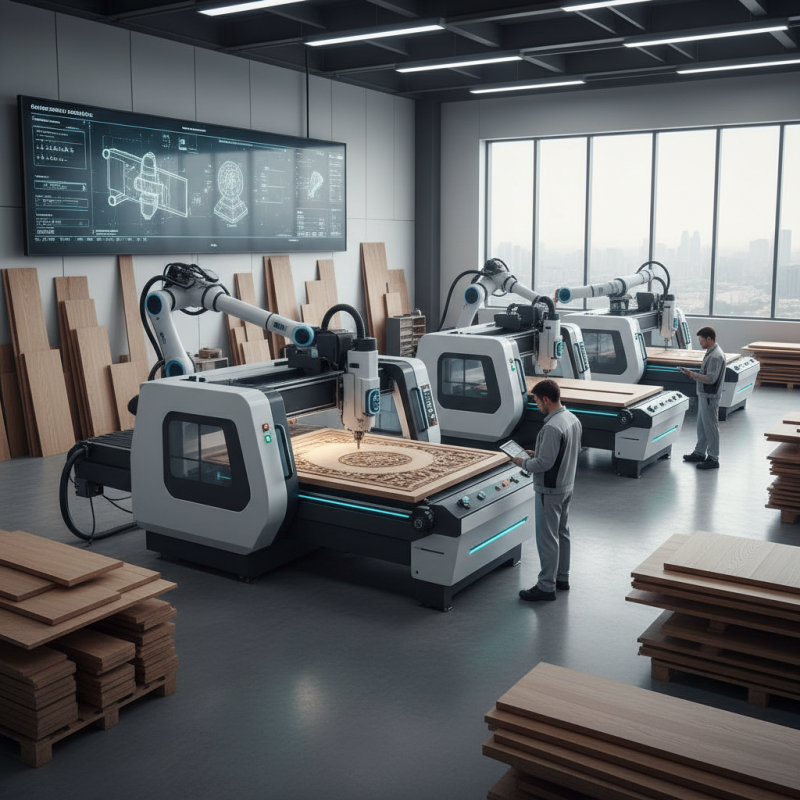
As industries keep evolving, the push for more efficient production methods is more noticeable than ever. Take the Cnc Woodworking Machine market, for example — it really shows how much things are shifting. Experts are chatting more and more about trends like increased automation and smarter software that integrate seamlessly. Howard Smith, who's pretty much a legend in CNC tech circles, once said, "The future of woodworking is all about precision and versatility." That’s pretty much where the industry is headed!
With 2026 just around the corner, it’s really important for businesses to keep an eye on these trends. Companies that jump on the latest designs and tech are gonna have a leg up. For instance, machines that can learn from previous cuts to improve efficiency — that’s next-level stuff. But here’s the thing — it’s a balancing act. Tech is great, but you still need skilled folks to keep everything running smoothly.
Now, investing in CNC woodworking machines can be a bit of a financial leap. Smaller shops might hesitate, worried about whether the costs will pay off. But in the long run, streamlining your production can actually save money and boost profits big time. It’s all about understanding that every new innovation has its pros and cons. Grasping these nuances is key for any business looking to stay competitive in this fast-moving game.
2026 Trends in CNC Woodworking Machines for Wholesale Markets
The CNC woodworking machine market is witnessing significant changes as we approach 2026. Industry reports indicate that the demand for automated solutions is climbing. In fact, by 2025, it's projected that the global CNC woodworking machine market will reach over 2.5 billion USD. This growth reflects a shift towards increased efficiency in production.
Wholesale markets are adapting to these trends. More businesses are investing in advanced CNC technologies. User-friendly interfaces and high precision are key features. Data shows that 70% of manufacturers prioritize these characteristics in their purchasing decisions. However, not all companies can easily integrate these machines into their existing setups.
Additionally, sustainability is becoming crucial. Machines that minimize waste are in high demand. A report highlights that 60% of buyers now consider ecological impact as a top priority. Businesses must navigate these evolving needs. The challenge remains: how to balance efficiency and sustainability while managing costs? The path forward requires ongoing reflection and innovation in practice to meet market demands effectively.
2026 Top Wholesale China Cnc Woodworking Machine Trends for Efficient Production
| Machine Type |
Key Features |
Market Demand (%) |
Average Price ($) |
Efficiency Rating (1-10) |
| CNC Router |
High precision cutting, multi-function |
45% |
5,000 |
9 |
| CNC Laser Cutter |
High-speed engraving, minimal waste |
35% |
8,000 |
9.5 |
| CNC Machining Center |
Versatile machining, high automation |
15% |
15,000 |
8 |
| CNC Plasma Cutter |
Cost-effective cutting, thick materials |
5% |
7,500 |
7 |
| CNC Vertical Mill |
Precision milling, various materials |
10% |
12,000 |
8.5 |
The Rise of Automation in CNC Woodworking Production
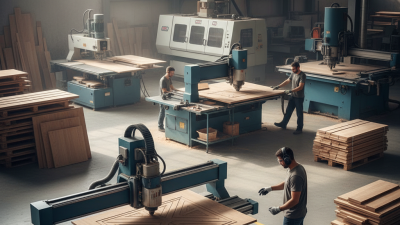
The rise of automation has significantly transformed CNC woodworking production. Manufacturers increasingly rely on CNC machines for efficiency and precision. These machines can execute intricate designs, ensuring consistency and high quality. Automation reduces labor costs and minimizes human error, leading to streamlined workflows.
However, the transition to automated systems is not without challenges. Not all employees are familiar with the technology. Training is essential but can be resource-intensive. Additionally, over-reliance on machines may stifle creativity among traditional craftsmen. A balance is necessary to maintain innovative practices while leveraging the advantages of a Woodworking Cnc Machine.
Efficiency comes with responsibility. Regular maintenance of CNC machines is crucial to prevent breakdowns. Businesses must also adapt to fluctuating market demands. Automation allows for rapid scaling up or down, but this flexibility needs careful planning. As the industry evolves, it is vital to reflect on these changes and prepare for future trends.
Innovative Features in Modern CNC Woodworking Machines
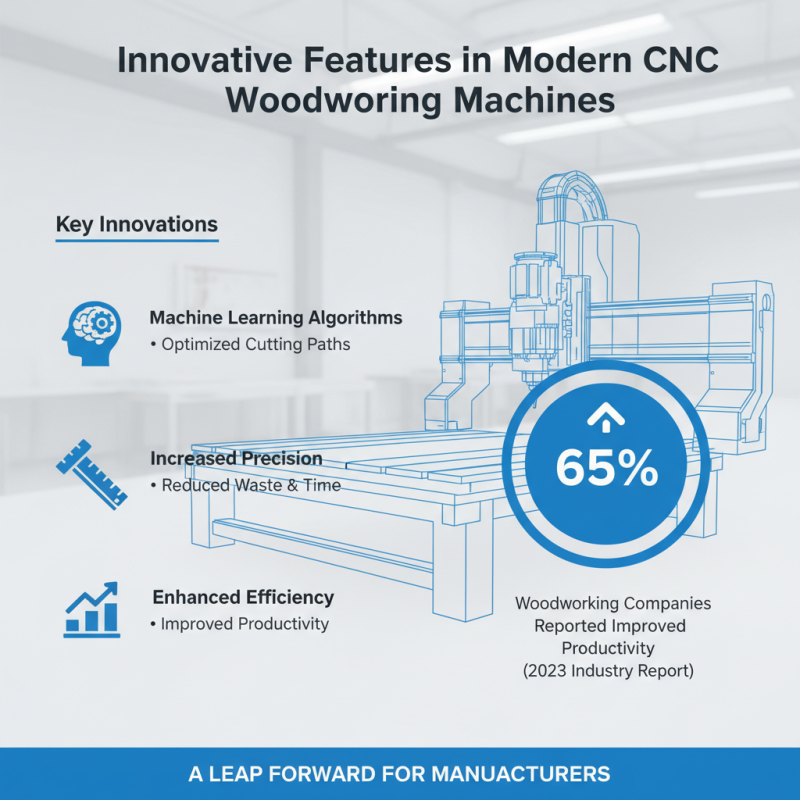
The landscape of CNC woodworking machines is rapidly evolving. Modern machines now incorporate advanced features that increase precision and efficiency in production. According to a 2023 industry report, nearly 65% of woodworking companies report improved productivity due to these innovations. Machine learning algorithms optimize cutting paths, reducing waste and time. It's a leap forward that manufacturers cannot ignore.
Another significant trend is the integration of IoT technology. These machines can now connect to the internet, allowing for real-time monitoring. Data analytics provide insights into production metrics that were previously unattainable. However, data security remains a concern. Not all manufacturers are prepared to handle these risks. Many still rely on outdated practices, which can hinder progress.
Moreover, the rise of user-friendly interfaces has made CNC woodworking machines accessible to a broader audience. Operators without extensive training can efficiently use these machines. Yet, this ease of use can lead to over-reliance on technology. It's crucial that operators understand the fundamentals of woodworking. Blindly trusting machines might result in a lack of foundational skills, which is a concern for industry veterans.
Sustainability Practices in CNC Woodworking Manufacturing
Sustainability in CNC woodworking manufacturing is gaining momentum. As industries shift towards eco-friendliness, woodworking is no exception. Recent studies indicate that over 60% of manufacturers are exploring sustainable practices. Reducing waste and optimizing resources are essential strategies for the future.
One noteworthy practice is the adoption of renewable materials. Reports show that using sustainably sourced wood can reduce a company's carbon footprint significantly. Additionally, implementing closed-loop systems can minimize waste production. For instance, a CNC machine that recycles wood shavings can lower disposal costs and enhance material utilization. This approach not only conserves resources but also promotes a circular economy.
However, challenges exist in integrating sustainability into existing workflows. Many manufacturers struggle with the initial costs associated with upgrading machinery to more efficient models. Industry experts argue that these investments pay off in the long term, as they lead to decreased operational costs and less environmental impact. Balancing profitability with ecological responsibility remains a complex task for many in the sector.
Cost-Effective Solutions for Wholesale CNC Woodworking Machines
The rise of CNC woodworking machines reflects a shift towards efficiency in production. Cost-effective solutions are pivotal in this transition. According to recent industry reports, the global CNC machine market is projected to reach $100 billion by 2026. This growth is spurred by advancements in technology and the demand for precision. Manufacturers are looking for ways to improve their processes while managing costs.
Affordable options exist for small and medium enterprises. A recent survey indicated that over 60% of manufacturers prioritize cost when selecting CNC machines. The emergence of high-quality, budget-friendly models allows businesses to optimize their workflow. Many companies are investing in these technologies, leading to a notable increase in production rates.
However, not all machines deliver the expected results. The complexity of setup and maintenance can be daunting. Some users report that they require additional training to handle the equipment. This highlights the need for manufacturers to provide superior support and resources. Moreover, businesses should conduct thorough research before committing to a purchase. This approach will ensure they choose machines that truly meet their production needs.
Market Leaders in CNC Woodworking Technology for 2026
The CNC woodworking technology landscape is evolving rapidly. In 2026, manufacturers must stay informed about the latest trends. Efficiency remains a priority, as businesses aim to maximize productivity. New designs of Woodworking Machines are emerging, focusing on automation and precision. These machines are engineered to reduce waste and enhance output. Features like easy software integration make them user-friendly. Companies investing in such technology can expect significant improvements.
Several market leaders are shaping the CNC woodworking space. Their expertise in developing reliable machines has set industry standards. Innovations like advanced sensors and adaptive controls are proving essential. However, some manufacturers struggle with implementation. Training staff on new systems can be a hurdle. The need for skilled operators is more prominent than ever. Despite these challenges, the demand for efficient woodworking machines continues to rise.
Investing in the right CNC wood technology is crucial. Quality and reliability will determine long-term success. As trends shift, staying updated is necessary. Embracing change can lead to unforeseen opportunities. In this competitive field, adapting to new tools may be the key to thriving in 2026.
2026 Top Trends in CNC Woodworking Machine Production Efficiency
Future Projections for CNC Woodworking Industry and Machine Development
As the CNC woodworking industry evolves, future projections indicate significant advancements in technology and efficiency. Data from industry reports suggest that the global CNC woodworking machines market is expected to grow at a CAGR of over 6% from 2023 to 2030. This growth is fueled by the increasing adoption of automated solutions, such as the Door Cnc Machine, which offers precision and reduces waste.
Emerging technologies, including AI and IoT, are set to reshape production processes. These innovations enable real-time monitoring and predictive maintenance, improving operational efficiency. Many businesses report reduced downtime by over 20% due to these technologies. However, integrating such systems can be costly and complex, requiring careful planning and training.
Tips: Investing in employee training can maximize the benefits of new machines. Consider starting with pilot projects to evaluate technology before full-scale implementation. Regular assessments of production workflows can identify areas needing improvement. Keeping up with training ensures your team is ready for innovations while avoiding costly disruptions.
Maximizing Efficiency in Woodworking: The Importance of CNC Door Leaf Four Sided Sawing Machining Centers
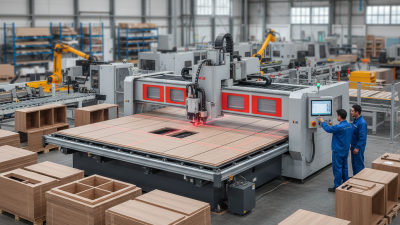
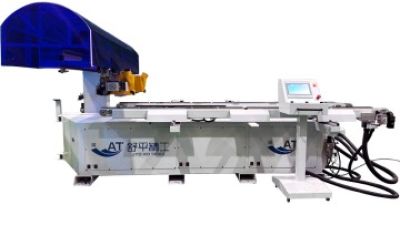
In the competitive landscape of woodworking, maximizing efficiency is paramount, especially for large-scale production of door panels. The innovation of CNC door leaf four-sided sawing machining centers has transformed the industry, providing an efficient alternative to traditional manual methods. By integrating advanced technology, these machines streamline the sawing process, enabling manufacturers to produce high-quality door panels with precision and speed.
The DXW series of machining centers exemplifies this evolution in woodworking technology. Its through-type tabletop design, coupled with servo control and belt conveyor systems, eliminates the need for labor-intensive manual handling. This not only speeds up production but also ensures that each board maintains optimal verticality and flatness, meeting stringent accuracy standards. By completing the sawing of all four edges in a single operation, companies can reduce labor intensity by up to 80% and significantly increase their yield rates, paving the way for more efficient and modernized workshops.
As the woodworking industry moves towards automation, investing in CNC technology is becoming increasingly vital. The versatility of CNC door leaf four-sided saws allows them to operate seamlessly within automated production lines or as standalone units, catering to both large-scale operations and customized demands. This adaptability, combined with the reduction in manual intervention, empowers manufacturers to achieve higher production volumes while maintaining quality, ultimately enhancing their competitiveness in the market.
FAQS
: CNC machines enhance production efficiency and precision. They help in optimizing workflow and increasing production rates.
The market is projected to reach $100 billion by 2026, growing at a CAGR of over 6% from 2023 to 2030.
Cost is crucial. However, businesses should also consider machine capabilities, support services, and user training.
Yes, many high-quality, budget-friendly models are available that can optimize workflows efficiently.
Users often struggle with setup complexity and maintenance, requiring additional training to manage the machines effectively.
Investing in employee training and starting with pilot projects can lead to better outcomes in technology integration.
It improves operational efficiency and can reduce downtime significantly, but it may require complex integration.
These technologies enable predictive maintenance and enhance production processes, though integration can be costly.
Yes, regular assessments help identify areas for improvement, ensuring optimal use of CNC machines and resources.
The initial costs and complexity can pose challenges. Businesses need careful planning and readiness to adapt.
Conclusion
The article "2026 Top Wholesale China CNC Woodworking Machine Trends for Efficient Production" explores the evolving landscape of CNC woodworking machines in wholesale markets. It highlights the increasing prevalence of automation, which is transforming production efficiency and enabling manufacturers to optimize their workflows. Key innovative features in modern CNC woodworking machines, such as advanced software integration and enhanced precision, are pivotal in meeting the demands of the market.
Sustainability practices are also being prioritized within CNC woodworking manufacturing, ensuring that production not only meets business goals but also adheres to environmental standards. The article outlines cost-effective solutions available for wholesale CNC woodworking machines, making them more accessible for businesses. Lastly, it provides insights into the market leaders in CNC woodworking technology and projects future developments that will shape the industry's trajectory. Overall, the trends identified will significantly impact the production capabilities and strategies of manufacturers in 2026 and beyond.


 +86-18020396629

 CONTACT NUMBER