+86-18020396629


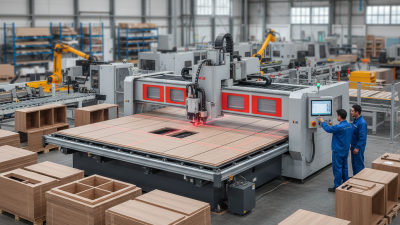
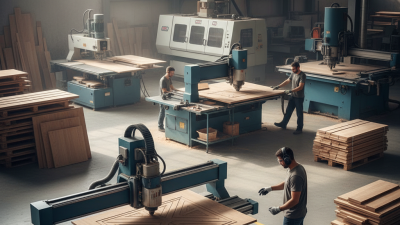
Looking ahead to 2026, it's pretty clear that woodworking is really starting to embrace some exciting innovations. More and more, we're seeing folks turn to advanced tech, like the Cnc Woodworking Machine, which is officially changing the game. These machines don’t just make things more precise—they also help speed up production so you can get more done in less time. Companies like Biesse and Homag? They're really leading the charge and setting the standards for what's possible.
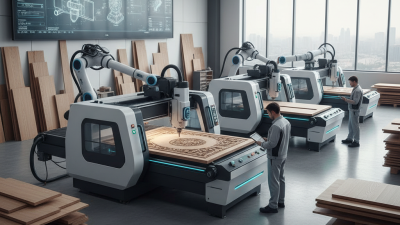
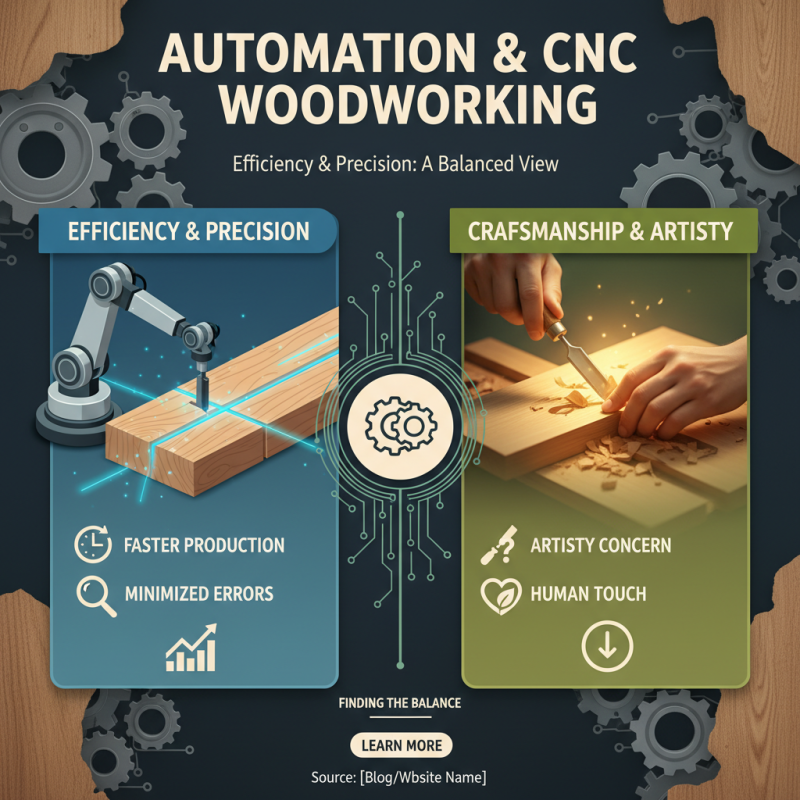
It’s pretty clear that the trend is moving toward automation and efficiency. With tools like the Cnc Woodworking Machine, even intricate designs are now easier to pull off with less hassle. But, on the flip side, there’s an ongoing chat about what happens to craftsmanship and skills as we depend more on tech. It’s kind of a balancing act—staying innovative without losing the traditional touches we love.
And let’s not forget about sustainability. Many manufacturers are now exploring eco-friendly materials and greener processes. Sure, the transition isn’t perfect—nothing ever is—but it’s definitely a step in the right direction for a more sustainable future. All in all, how we blend cutting-edge tech with traditional craftsmanship will really shape the next chapter of woodworking. It's an exciting time, for sure, but also one with plenty of questions and opportunities to consider.
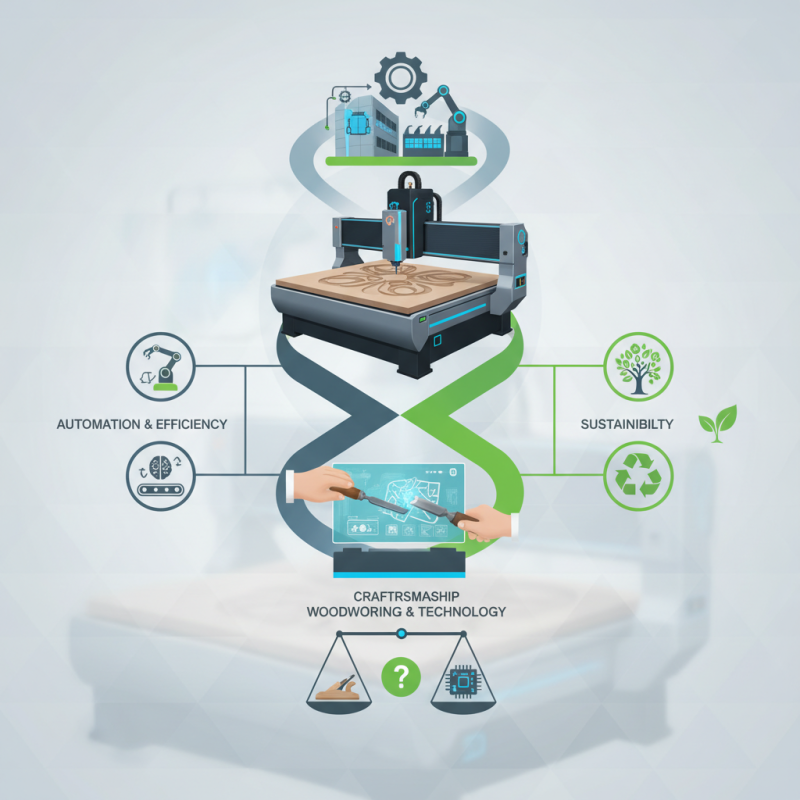
The CNC woodworking machine landscape in China is evolving rapidly. Industry reports indicate that the market size is projected to reach approximately USD 2.6 billion by 2026, driven by increasing demand for automation in manufacturing. New technological advancements are reshaping how woodworking tasks are performed. For example, the integration of AI in CNC machines enhances precision and efficiency.
One significant trend is the rise of smart CNC machines. These machines are equipped with IoT capabilities, allowing seamless data transfer and remote monitoring. A recent study highlighted that 45% of manufacturers are adopting smart technology for better performance. However, the transition is not without challenges. Many small enterprises struggle with the capital required for upgrades. This gap may slow the overall adoption rate, even as larger companies push forward with innovation.
Another notable shift is the focus on sustainability. The need to reduce waste and energy consumption is gaining traction. Reports suggest that machines using eco-friendly materials are expected to increase by 30% in the next five years. While this trend is promising, there are concerns about the cost-effectiveness of sustainable practices in the short term. Balancing innovation with practical financial implications remains a critical area for reflection in the industry.
| Trend/Innovation | Description | Expected Impact | Market Growth (%) | Sector |
|---|---|---|---|---|
| Automation Integration | Increased use of automated systems for efficiency. | Higher precision and reduced labor costs. | 25% | Manufacturing |
| Eco-friendly Materials | Using sustainable and recyclable materials in machines. | Reduced environmental impact and compliance with regulations. | 15% | Sustainable Practices |
| AI and Machine Learning | Incorporation of AI for predictive maintenance and quality control. | Improved machine longevity and product consistency. | 30% | Technology |
| Multifunctional Machines | Machines that can perform various woodworking tasks. | Increased versatility and reduced space requirements. | 20% | Industrial Equipment |
| Smart Factory Solutions | Integration with IoT for real-time monitoring and adjustments. | Enhanced operational efficiency and data-driven decisions. | 40% | Smart Manufacturing |
In 2026, the CNC woodworking industry is poised for significant transformation. Current trends indicate a strong shift toward automation and smart technologies. According to recent reports, the market for Woodworking Cnc Machines is expected to grow by 7.5% annually through 2026. This reflects a rising demand for precision and efficiency in manufacturing.
Integration of Artificial Intelligence (AI) is also becoming prevalent. These machines can learn from data inputs, optimizing performance over time. However, there are concerns about the reliance on such technologies. Human oversight remains essential to ensure quality and safety. A blend of machine precision with skilled craftsmanship can yield better results.
Sustainability trends are also shaping the industry. More manufacturers are using eco-friendly materials and energy-efficient machines. Many companies are investing in CNC woodworking machines that minimize waste. While this is a step in the right direction, challenges with cost and availability persist. The balance between innovation and feasibility must be addressed as we move forward.
Innovative technologies are reshaping the landscape of
Woodworking Cnc
in 2026. Automation and artificial intelligence are at the forefront. The integration of AI can analyze cutting patterns to improve efficiency.
According to a report by MarketsandMarkets, the
CNC machine market is projected to reach $100 billion by 2027, with woodworking CNC machines experiencing significant growth.
A key trend is the rise of smart CNC systems. These systems utilize IoT devices for real-time monitoring. This connectivity allows for predictive maintenance, reducing downtime significantly. Companies report reduced operational costs by up to 30% due to these innovations. However, not all businesses are adapting quickly. Smaller firms may struggle to implement these advanced technologies.
Another trend is the move towards sustainability. Manufacturers are focusing on eco-friendly materials and energy-efficient operations. A recent study indicated that 70% of woodworking companies plan to invest in greener technologies within the next two years. While this shift is promising, some industry players question the long-term viability of such investments. Adapting to these changes requires careful thought and strategy in the woodworking CNC sector.
The impact of automation in CNC woodworking is profound and multifaceted. Advanced technologies enhance efficiency, allowing for faster production cycles. Automation minimizes human errors, resulting in greater precision. Yet, relying solely on machines raises concerns about craftsmanship. Some argue that the artistry inherent in woodworking may be sacrificed for speed.
Enhanced precision is another notable benefit of automated Woodworking Machines. These machines can replicate complex designs consistently. The ability to maintain tight tolerances improves overall product quality. However, this could lead to a disconnect between designers and fabricators. Are we losing the traditional skills that define woodworking?
While automation offers numerous advantages, challenges remain. The initial investment costs can be high, potentially deterring smaller businesses. Moreover, over-automation might lead to job losses, sparking debates about workforce impacts. Balancing technology with human skill is essential for a sustainable future in woodworking. Each woodworking machine brings both opportunities and reflections on what it means to create something by hand.
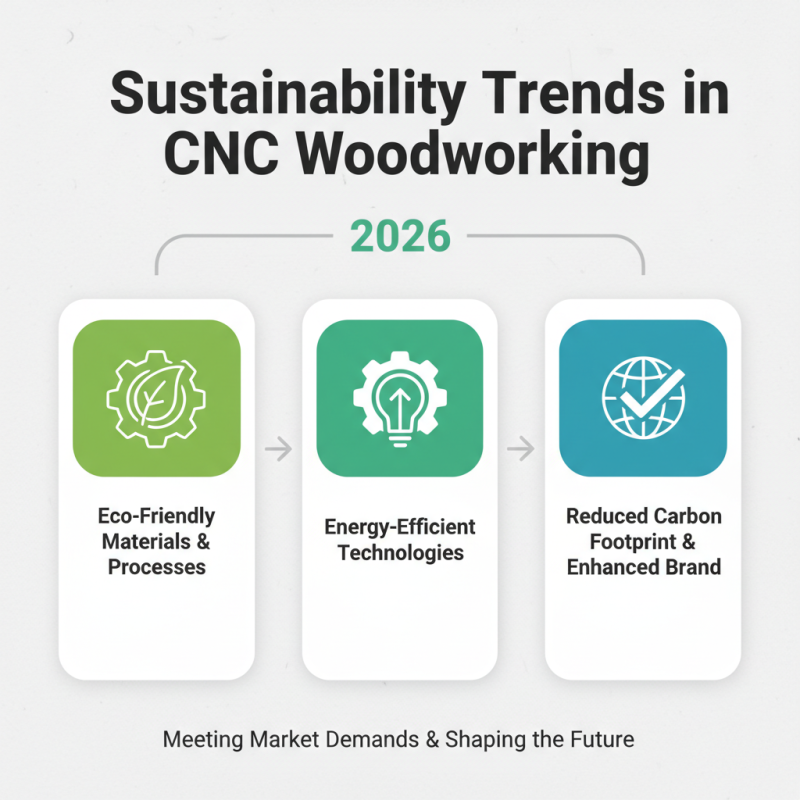
Sustainability is reshaping the CNC woodworking machine industry in 2026. Manufacturers are focusing on eco-friendly materials and processes. This shift not only meets market demands but also enhances brand reputation. Companies are investing in energy-efficient technologies to lower their carbon footprint.
While innovation is crucial, challenges arise in the transition to sustainable practices. Many manufacturers struggle with sourcing renewable materials. The recycling of CNC machines remains an overlooked area. Continuous improvement is needed in these aspects.
Tips for manufacturers include prioritizing energy-efficient designs. Engage in research to find sustainable materials. Collaborate with experts for better practices. These steps can lead to meaningful contributions towards sustainability. Consumers increasingly value companies that take responsible actions.
In 2026, the market demand for CNC woodworking machines, particularly Door Cnc Machines, is poised for remarkable growth. Recent industry reports indicate that the demand for personalized and custom wood products is increasing significantly. 68% of consumers now prefer tailored solutions, pushing manufacturers to innovate. There is an evident shift toward automated CNC solutions that provide precision and speed in production. These trends highlight a critical need for businesses to adapt.
Consumer preferences are evolving, driven by sustainability and eco-friendly materials. Surveys show that over 55% of buyers seek products made from renewable resources. As such, the integration of green practices within CNC machinery is vital. The Door CNC machine segment is especially focused on this shift. However, many producers currently struggle with balancing eco-friendliness and cost efficiency. This presents an opportunity for future innovations that prioritize both aspects while meeting consumer expectations.
The competition remains fierce, with innovation at the forefront. Effective marketing strategies must communicate efficiency and customization. Companies that fail to address these needs may find themselves lagging. Reports suggest that 40% of consumers prioritize brand reputation when choosing CNC woodworking solutions. This underscores the necessity for manufacturers to establish trust and reliability in their offerings. By harnessing these insights, businesses can enhance their market positioning in the evolving landscape.
The CNC woodworking industry in China is evolving rapidly. As we look toward 2026, several trends are poised to shape the future of CNC technology. Advanced automation is one significant trend. Reports suggest that automated processes can increase productivity by up to 30%. Manufacturers are investing in smart technologies, integrating IoT devices to enhance production efficiency and minimize downtime.
Sustainability in materials usage is another critical aspect. The demand for eco-friendly woodworking solutions is rising. Data indicates that around 45% of consumers prefer sustainably sourced materials. Innovations in bio-based composites are gaining traction. Companies are beginning to explore these materials for their CNC processes. This shift signals a move toward a more sustainable woodworking future.
However, challenges remain. The skill gap in the workforce is noteworthy; nearly 70% of CNC operators lack advanced training. This gap can hinder innovation. It highlights the need for educational programs focused on CNC machining. Companies must invest in training the next generation of woodworking engineers, ensuring that they are equipped with the necessary skills to navigate new technologies.
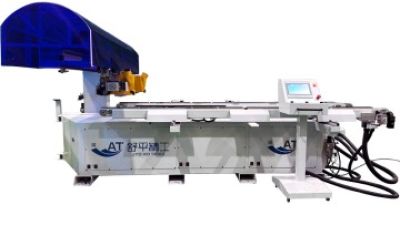
The DXW Series CNC Door Leaf Four Sided Sawing Machining Center is transforming the landscape of woodworking by enhancing the efficiency of door panel production. Designed specifically for high-volume manufacturing and tailored projects, this innovative equipment utilizes a through type tabletop design that streamlines the sawing process. By integrating servo control with belt conveyor technology, the DXW eliminates the inefficiencies associated with manual handling, allowing for a seamless workflow.
This advanced machining center performs all necessary sawing and cutting on the four edges of a door leaf in a single operation, thereby reducing the reliance on labor for machine adjustments. The result is a consistently high precision in the verticality and flatness of each board, meeting stringent accuracy requirements without the need for subsequent processing. Furthermore, the DXW’s flexibility allows it to be integrated into automated production lines or function effectively as a standalone unit, making it a versatile asset for any woodworking business aiming to diminish labor intensity by up to 80% while significantly improving yield rates.
: The market growth is driven by increasing demand for automation in manufacturing.
Smart CNC machines use IoT for data transfer and remote monitoring, enhancing performance and efficiency.
About 45% of manufacturers are currently adopting smart technology in their operations.
Small enterprises often struggle with the capital required for upgrading to new technologies.
There is a rising interest in eco-friendly materials and reducing waste, despite cost concerns.
The market is expected to grow by 7.5% annually through 2026.
Human oversight ensures quality and safety, complementing machine precision effectively.
Nearly 70% of CNC operators lack advanced training, which hinders innovation.
Approximately 45% of consumers prefer sustainably sourced materials for woodworking.
Automation can enhance productivity by up to 30%, making it a key trend in the industry.
The CNC woodworking machine industry in China is poised for significant transformation by 2026, driven by key trends and innovative technologies. Automation is enhancing efficiency and precision, allowing manufacturers to meet increasing market demand. As sustainability becomes a priority, eco-friendly manufacturing practices are being integrated into the production of CNC woodworking machines. Additionally, evolving consumer preferences are shaping the design and functionality of these machines, highlighting a shift towards more versatile and user-friendly options. The future directions for CNC woodworking innovation in China indicate a robust landscape that not only embraces technological advancements but also prioritizes environmental responsibility.