Leave Your Message
0%

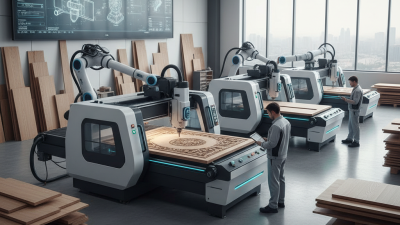
In today’s fast-changing manufacturing world, you really can't overlook how much technology is shaping everything. Take experts like John Smith, a senior engineer over at TechSolutions Inc.—he points out that the Cnc Nesting Machine is truly transforming the way we boost production efficiency. It’s a pretty clear sign of a growing trend that's catching on across the globe.

Now, the Cnc Nesting Machine brings a boatload of benefits to the table. It’s great at cutting down material waste and making the most out of every piece of raw material, which not only slashes costs but also helps in being a bit kinder to the planet. That said, switching to this tech isn’t always a walk in the park. Some companies might find the learning curve steep, and yes, the initial investment can be a bit daunting.

And let’s not forget about reliability—it's super important. Buyers should stick with well-known brands that can back up their machines with solid support and quality. As more folks start to realize what these machines can do, it's become really important to understand their full potential. Doing so can help in making smarter decisions when it comes to manufacturing. For a lot of people, the Cnc Nesting Machine isn’t just another gadget; it’s more like a stepping stone toward new levels of innovation.
Top 10 Benefits of Cnc Nesting Machine for Global Buyers?

Advantages of CNC Nesting Machines for Efficient Material Utilization

CNC nesting machines revolutionize the way manufacturers utilize materials, significantly improving efficiency. These machines optimize layouts, ensuring minimal waste during the cutting process. By precisely arranging parts on sheets, manufacturers can maximize their output. Every inch of material counts, especially in industries where costs run high.

The Door Cnc Machine stands out in this aspect, as it can efficiently handle intricate designs with precision. This technology minimizes scrap by generating effective nesting solutions. Users often notice the reduction in material costs over time. It’s crucial, however, that operators receive proper training to achieve the best results. Misalignment or improper setup can lead to unnecessary waste, defeating the purpose of Nesting.

Employing a CNC nesting machine also brings speed to production. This rapid operation can enhance overall workflow. But it's essential to balance speed with quality. Sometimes, the rush can lead to oversight, impacting the end product. Regular assessment of the machine's performance and output quality is necessary to maintain reliability. Embracing CNC technology does not eliminate challenges, but it opens doors to improved processes in material utilization.

Top 10 Benefits of CNC Nesting Machine for Global Buyers

Benefit Description
Enhanced Material Utilization CNC nesting machines optimize the layout of parts to minimize waste, increasing overall material efficiency.
Increased Production Speed These machines can process materials faster than traditional methods, leading to quicker turnaround times.
Reduced Labor Costs Automation in CNC nesting reduces the need for manual labor, lowering overall workforce expenses.
Consistent Quality CNC machines deliver precision and repeatability, ensuring high-quality parts with less variation.
Flexibility CNC nesting machines can be quickly reconfigured for different projects, accommodating various shapes and sizes.
Better Inventory Management With improved material utilization, companies can better manage their inventory and reduce excess stock.
Environmental Benefits Minimized waste not only saves costs but also reduces the environmental impact of production processes.
Advanced Technology CNC nesting systems utilize cutting-edge technology that often integrates with CAD systems for design ease.
Customization Capability Allowing for bespoke designs and specifications, CNC nesting machines cater to specialized customer needs.

Cost Savings Through Reduced Waste with CNC Nesting Solutions

CNC nesting machines are revolutionizing manufacturing by effectively reducing waste. The technology ensures optimized material usage, cutting down scrap to as little as 10%. Research indicates that companies using these machines can save up to 30% on raw materials. This reduction not only lowers costs but also positively impacts environmental sustainability.

Implementing CNC nesting solutions results in a more efficient production process. A study by the National Institute of Standards and Technology revealed that firms employing advanced nesting strategies see a 20% increase in productivity. This efficiency is vital in today's competitive market, where every inch of material counts.

Tip: Regularly evaluate your material usage to identify potential waste. Investing in employee training on CNC technology can enhance machine operation, maximizing your investment.

Another essential point is the flexibility of CNC nesting machines. They can be programmed for various designs, enabling manufacturers to adapt quickly to changing market demands. However, companies should be mindful of initial investment costs. An estimated 55% of businesses are hesitant to transition due to budget constraints. Balancing this cost against long-term savings is crucial for informed decision-making.

Enhanced Precision and Accuracy in Manufacturing Processes

The CNC nesting machine revolutionizes manufacturing by enhancing precision and accuracy. This technology employs advanced algorithms to optimize material usage. It reduces waste, saving both time and resources. As parts are cut with meticulous details, accidents and errors minimize significantly.

These machines work well with various materials, including wood, metal, and plastic. Accurate cuts lead to tighter fittings and better product quality. In industries like furniture making or aerospace, precision is crucial. Any slight deviation can have major consequences. Many operators report a learning curve when adjusting to CNC technology.

Despite these advancements, challenges remain. Some users find the initial setup complex. Maintenance can be demanding, too. It's essential to invest time in training. Engaging with user communities can provide insights and support. Embracing CNC nesting technology requires an open mind and a willingness to adapt.

Improved Production Speed and Workflow Optimization

The CNC nesting machine significantly enhances production speed, which is vital for global buyers. Data from industry reports indicate that manufacturers can boost output by up to 30% when using advanced CNC nesting technology. This is crucial in an era where efficiency drives profitability. The machine optimizes material layout, reducing waste and minimizing cutting times. The result is a more streamlined workflow.

Moreover, optimizing workflow is essential for maintaining competitive advantage. Industry findings reveal that production time can be cut by 25% with accurate nesting strategies. This means higher precision and faster turnaround on projects. In addition, operators report improved job satisfaction due to the reduction in repetitive tasks. Yet, not all companies adopt these technologies seamlessly. Some face challenges in training staff to fully leverage machine capabilities.

Investing in CNC nesting machines demands careful consideration. It can be cost-intensive and requires integration with existing systems. Furthermore, companies must address potential technical difficulties that may arise during implementation. Constant reflection on these aspects ensures that productivity gains are sustainable in the long run. By recognizing the nuances of adopting new technology, businesses can navigate the transition more effectively.

Top 10 Benefits of CNC Nesting Machine for Global Buyers

Versatility in Applications Across Various Industries

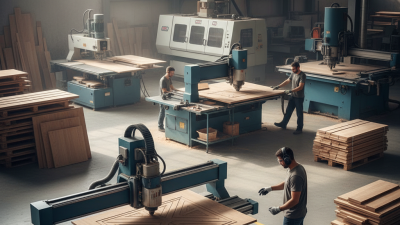
CNC nesting machines have gained traction in various industries due to their versatility. These machines are not limited to wood processing but have applications in metalworking, plastics, and composites. Businesses appreciate the ability to adapt the technology to different materials quickly. For instance, furniture manufacturers often use a Wood Cnc Machine to optimize the cutting process, saving both time and resources.

Another interesting aspect is the adaptability of CNC nesting machines in different environments. Companies can use them in large-scale facilities or smaller workshops. This flexibility allows small businesses to compete with larger firms. Yet, challenges remain. Proper training is essential to maximize the potential of a wood CNC machine. Miscalculations or improper programming can lead to wasted materials and increased costs.

The learning curve may deter some users. However, investing time in understanding these machines pays off in the long run. By using CNC nesting technology, manufacturers can improve precision and efficiency. Each sector, from fabric to furniture, benefits from the tailored approach of nesting. As industries continue to evolve, the role of CNC technology will only expand, inviting both opportunities and challenges.

User-Friendly Interface and Automation in CNC Nesting Machines

CNC nesting machines have transformed the manufacturing industry, notably through their user-friendly interfaces and automation features. These machines streamline complex processes, allowing users to maximize material usage efficiently. According to a report by MarketsandMarkets, the CNC machine market is projected to grow from $69.8 billion in 2021 to $100.5 billion by 2026. This growth signals the rising demand for advanced machining technologies.

Automation simplifies operations, reducing the need for extensive training. Operators can easily learn the controls, making it accessible even for those with limited technical skills. A study highlighted that companies adopting CNC technology reported a 30% increase in productivity. This interface allows for intuitive navigation, enabling quick adjustments to designs and settings.

However, not all users adapt to automation seamlessly. Some express concerns over a lack of hands-on experience with traditional methods. Additionally, glitches in software can lead to inefficiencies. Addressing these challenges is crucial. As the industry evolves, integrating feedback from experienced machinists can make Cnc Boring Machines even more effective and reliable. These reflections are vital for manufacturers aiming to leverage the full potential of modern CNC technology.

Decreased Labor Costs and Enhanced Safety in the Workplace

CNC nesting machines are revolutionizing manufacturing. They not only automate processes but also significantly reduce labor costs. This reduction is essential for many global buyers. With fewer workers required for cutting and processing materials, companies can optimize their budgets. Utilizing a Door Design Cnc Machine streamlines production, making it efficient.

Enhanced safety is another critical benefit. Traditional methods often involve manual labor, which increases the risk of accidents. CNC machines usually feature safety mechanisms that protect workers. By minimizing human interaction, these machines help create a safer workplace environment. Companies can focus more on training staff in technology rather than on traditional woodworking risks.

However, it's essential to acknowledge that transitioning to CNC technology requires initial investment and training. Some workers may resist automation, fearing job loss. This reflects a need for open discussions about roles in the industry. Balancing technology with human skills will be crucial for successful implementation. The potential for improved safety and reduced costs makes CNC nesting machines attractive, but thoughtful integration is key.

Maximizing Efficiency and Precision with the CNC Door Leaf Four Sided Sawing Machining Center

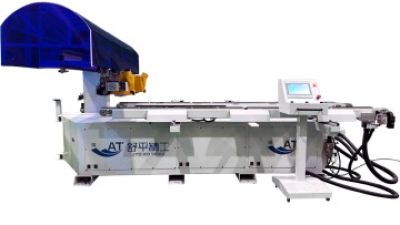
In the world of door panel manufacturing, efficiency and precision have become paramount, especially with the growing demand for high-quality wooden doors in residential and commercial construction. The DXW Series four-sided sawing machining center represents a major advancement in this domain, merging cutting-edge technology with the needs of modern production. With its innovative through-type tabletop design and advanced servo control, the DXW ensures that all four sides of door panels are machined accurately in a single pass. This shift away from traditional manual handling not only streamlines the process but significantly enhances productivity, offering manufacturers the ability to meet both standard and customized production requirements.

According to industry reports, automated manufacturing processes can reduce labor intensity by as much as 80% while simultaneously boosting yield rates substantially. The DXW Series is positioned not only as a standalone solution but also as an essential component for integration into larger automated production lines. By automating the sawing process, manufacturers can expect a dramatic decrease in production time, aligning with the increasing trend towards digitization and smart manufacturing environments. This technology optimizes workspace efficiency and ensures that the verticality and flatness of each cut meet rigorous accuracy standards, minimizing the need for secondary processing and rework.

Moreover, the adaptability of the DXW machining center aids in addressing the shifting complexities in the woodworking industry, where custom designs and rapid turnaround times are becoming more prevalent. As the industry evolves, embracing such high-precision machinery is critical for maintaining competitive advantage, facilitating a transition towards a more streamlined, efficient, and technologically advanced production setup.

FAQS

: What benefits do CNC nesting machines offer?

: CNC nesting machines reduce waste, optimize material usage, and cut scrap to as little as 10%.

How much can companies save on raw materials?

Companies using CNC nesting can save up to 30% on raw materials, lowering overall costs.

What impact does CNC nesting have on productivity?

Firms using CNC nesting see a 20% increase in productivity, making their production process more efficient.

Why is it important to evaluate material usage regularly?

Regular evaluations can reveal potential waste, leading to cost savings and better material use.

Are CNC nesting machines flexible for various designs?

Yes, they can be programmed for different designs to adapt to changing market demands rapidly.

What concerns might companies have regarding CNC technology?

Initial investment costs can be daunting, causing hesitation in more than half of the businesses.

How do CNC machines enhance workplace safety?

They reduce the need for manual labor, incorporating safety mechanisms that protect workers effectively.

Why might workers resist the transition to CNC automation?

Some may fear job loss, highlighting the need for open discussions about new roles in the industry.

What is crucial for successful implementation of CNC technology?

Balancing technology with human skills and ensuring proper training are essential for integration.

What is a possible drawback when transitioning to CNC machines?

Initial costs and worker resistance could hinder smooth adoption of this technology in manufacturing.

Conclusion

CNC Nesting Machines offer numerous advantages that significantly benefit global buyers across various industries. One of the primary benefits is their ability to optimize material utilization, leading to cost savings through reduced waste. These machines enhance precision and accuracy in manufacturing processes, ensuring that every cut and shape is exact. Furthermore, they facilitate improved production speed and workflow optimization, enabling businesses to operate more efficiently.

Additionally, CNC Nesting Machines are known for their versatility, making them suitable for a wide range of applications. The user-friendly interface and automation features simplify operation, reducing the learning curve for workers. Moreover, the implementation of these machines can lead to decreased labor costs and enhanced safety in the workplace, creating a more productive and secure environment for employees. Overall, investing in CNC Nesting Machines can significantly transform manufacturing processes, driving efficiency and profitability.
Charlotte

Charlotte

Charlotte is a dedicated marketing professional specializing in the field of CNC woodworking machinery. Since joining her company, which has been at the forefront of research and development, production, sales, and service in the industry since 1995, she has worked tirelessly to promote intelligent......
Previous 2026 How to Source Wholesale China Wood Door Window Options for Your Projects?