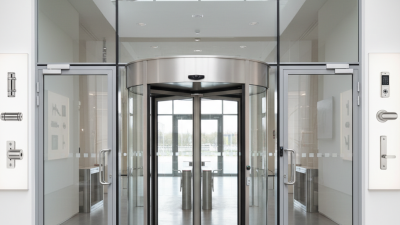
Hey, in the ever-changing world of Door Equipment, staying ahead really comes down to innovation and dependability. David Smith, who's been in the game for quite a while at DoorTech Solutions, puts it simply: "Good door equipment doesn’t just improve entrances — it can totally transform entire spaces." That really highlights how crucial top-quality products are, both for looks and for how well they work.
Now, if you're a global buyer hunting for the perfect solution, you probably realize that choosing the right door equipment isn’t as straightforward as it sounds. There's a ton of options out there, and it’s not just about the products themselves — you need to stay on top of market trends and new tech coming out all the time. Every decision you make can impact safety and how users experience your space.
And honestly, this is a pretty fast-moving industry — there’s always room for companies to do better. Constantly re-evaluating what they offer is key if they want to stay competitive. If you ask me, nailing excellence in door equipment means paying close attention to the little things and never settling for less than top quality. It’s about working together, learning as you go, and being willing to adapt. Industry leaders need to regularly check in on their practices and make sure they’re staying relevant and effective — that’s the way forward.
Overview of Door Equipment Solutions in 2026
In 2026, door equipment solutions continue to evolve. Advances in technology significantly enhance efficiency and security. Smart locks gain traction in both residential and commercial spaces. These locks provide convenience, but also raise concerns about potential hacking risks.
Manufacturers focus on sustainability. Eco-friendly materials feature prominently in new door designs. Consumers now seek energy-efficient solutions. Traditional materials like wood and metal are often replaced with modern alternatives. This shift reflects a growing awareness of environmental impact.
Customization will play a key role in 2026. Clients prefer solutions tailored to specific needs. However, this can complicate the supply chain. Delivering unique designs may lead to longer lead times. Balancing personalization and efficiency is a challenge. It is vital for manufacturers to adapt, ensuring they meet diverse customer demands in an evolving market.
Key Trends Influencing Door Equipment Innovations
The door equipment industry is evolving rapidly, driven by several key trends. One significant trend is the push for sustainability. Buyers are increasingly demanding eco-friendly options. This shift is prompting manufacturers to explore sustainable materials. Innovations in energy-efficient designs are also on the rise, allowing for lower energy consumption.
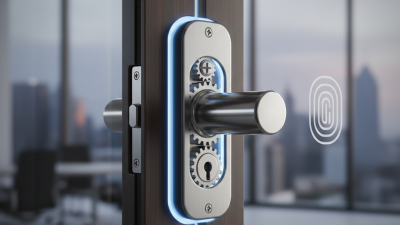
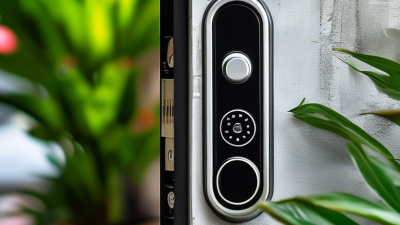
Smart technology integration is another driving force. Buyers now prefer door systems that incorporate automation and connectivity. Features like remote access and smart locking mechanisms enhance convenience and security. However, challenges remain in ensuring compatibility with existing systems. This can lead to difficulties in installation and user experience.
Consumer preferences are shifting towards personalized solutions. Custom designs are gaining traction as buyers seek unique aesthetics. Yet, not all manufacturers can accommodate this demand efficiently. This gap highlights the need for continuous improvement. The trend of "Door 2 Door" service is becoming crucial for addressing customer needs throughout the buying process. By focusing on these trends, manufacturers can better align their offerings with the evolving market.
Top Manufacturers in the Global Door Equipment Market
In the rapidly evolving door equipment market, choosing the right manufacturer is crucial for global buyers. Recent industry reports highlight that the global door equipment market is projected to reach $26.4 billion by 2026, growing at a CAGR of 4.5%. This growth reflects increasing demand for automated and energy-efficient solutions. Notably, trends show a rising preference for smart door systems, integrating advanced security and convenience features.
The key players in the door equipment sector contribute significantly to this market. Research indicates that these manufacturers focus on innovation and sustainability. However, some companies are still slow to adapt to new technologies. This lack of agility can hinder their competitiveness in the market. Additionally, buyers often face challenges in evaluating product quality and performance. Effective product testing remains vital to ensure reliability before large-scale implementation.
With rising safety standards, the reliability of door equipment is paramount. Quality assurance processes must be rigorous. Reports indicate that up to 15% of door equipment fails to meet expected standards on the first use. These statistics underscore the need for thorough research and credible data when selecting manufacturers. As global buyers consider investing in The Door Door, understanding the nuances of manufacturer capabilities is essential for long-term success.
2026 Best Door Equipment Solutions for Global Buyers
This chart illustrates the projected global sales volume of different door equipment solutions in 2026. The data highlights the automatic doors as the leading category, followed by hinged and sliding doors, showcasing the diverse preferences among global buyers in door equipment solutions.
Essential Features to Look for in Door Equipment
When considering door equipment solutions, essential features greatly influence your choice. Durability is a primary concern. High-quality materials ensure longevity, reducing replacement needs. Look for corrosion-resistant surfaces, particularly in harsh environments. Ease of installation matters too. Complex setups can increase labor costs and time. Simple designs make for a smoother process.
Safety features are crucial. Look for options with automatic locking capabilities. These enhance security and protect against unauthorized access. Additionally, consider sound insulation. Equipment that minimizes noise can be invaluable in workspaces or residential settings.
Aesthetics shouldn't be overlooked. Attractive designs can complement various architectural styles. However, functionality must always remain a top priority. Balance visuals with practical features. Regular reflections on how these elements work together may refine future buying decisions. Understanding your specific needs is vital to a tailored choice.
Comparative Analysis of Door Equipment Types
When assessing the diverse types of door equipment, a notable trend has emerged. The global door equipment market is projected to reach approximately $80 billion by 2026, with significant growth driven by innovation and demand for security. Among various options, mechanical door locks remain a staple due to their reliability. However, electronic systems are gaining traction, appealing to consumers seeking advanced security features.
A comparative analysis reveals critical distinctions in functionality and application. Traditional Door Lock Doors provide straightforward security but may lack the sophistication of modern alternatives. Electronic door locks often integrate with smart home systems, offering remote access and real-time monitoring. Yet, concerns regarding technology vulnerabilities persist. Some homeowners struggle with the complexity of these electronic systems, highlighting the need for user-friendly designs.
In addition, costs differ significantly among door equipment types. While mechanical locks are generally less expensive, electronic systems can command higher prices. This disparity poses a challenge for budget-conscious consumers. Evaluating the risks and benefits of each option is essential for making informed decisions. Ultimately, the right choice depends on individual needs and preferences, making ongoing analysis crucial.
Sustainability Practices in Door Equipment Production
Sustainability is becoming essential in door equipment production. As buyers look for eco-friendly solutions, manufacturers must adapt. With energy-efficient processes, they can minimize their environmental impact. Companies are now considering renewable materials for production. This helps reduce waste and supports a circular economy.
When choosing door equipment, consider your supplier's sustainability practices. Ask about their use of recycled materials. Look for certifications related to environmental standards. These can indicate a commitment to sustainable production.
Additionally, thoughtful design plays a significant role in sustainability. For instance, a well-designed Door Wood Door can last longer. This means fewer replacements and less waste in landfills. Reflect on your choices and how they contribute to a sustainable future.
Ensuring that your door equipment aligns with sustainable practices not only benefits the environment but also enhances your brand reputation. Consumers increasingly appreciate businesses that prioritize eco-friendly solutions, leading to potential growth in market share.
Future Prospects for Door Equipment Solutions in the Market
The future prospects for door equipment solutions appear promising as the market evolves. According to the Global Door Hardware Market Report 2022, the market size is projected to reach $85 billion by 2026, showcasing a CAGR of 5.8%. This growth is driven by increasing demand in residential construction and commercial sectors. Energy efficiency and smart technology integration are key trends fueling this expansion.
In emerging markets, the adoption of energy-efficient solutions is gaining traction. A recent study highlighted that over 40% of new buildings prefer sustainable door systems. Consumers are increasingly aware of energy consumption and its environmental impact. However, challenges remain, such as the need for standardization in smart door technologies. Many companies struggle to keep up with rapid technological advances, leading to a fragmented market landscape.
Moreover, the rise of e-commerce has shifted how door solutions are marketed and distributed. A survey revealed that 30% of buyers prioritize online reviews when purchasing door hardware. This underlines the importance of building trust and credibility in the digital arena. Brands must adapt their strategies to address consumer concerns about quality and reliability in online purchases. As the market evolves, stakeholders should focus on innovation while remaining vigilant about potential hurdles.
Maximizing Efficiency in Door Manufacturing: Insights from the 2023 Hardware Industry Analysis on DXJ Door Leaf Hardware Hole Slot Machining Center
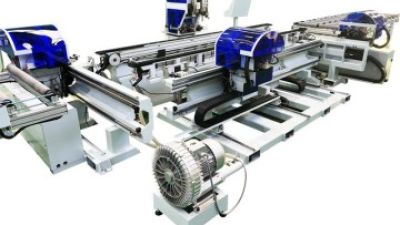
In the fast-paced world of door manufacturing, efficiency and precision are paramount. The DXJ door leaf hardware hole slot machining center stands out as a cutting-edge solution tailored for the needs of wooden door manufacturers. This advanced CNC equipment is designed to handle a range of hardware slot requirements, including lock holes and hinge slots, all in one compact unit. Its innovative four-head design allows for the concurrent operation of three heads, enabling simultaneous processing on three sides of the door leaf. This feature significantly enhances not only the speed but also the accuracy of the machining process, making it ideal for high-volume production environments.
With versatility at its core, the DXJ machining center adapts seamlessly to various types of doors, from residential options to specialized engineering models. This adaptability ensures that manufacturers can cater to diverse scenarios, such as hotel installations or home renovations. By providing a one-stop solution for efficient processing, this equipment meets the specific demands of wooden door production, empowering businesses to achieve greater throughput while maintaining the highest quality standards. The integration of such advanced technology is essential in maximizing operational efficiency within the door manufacturing industry.
FAQS
: Technology improves efficiency and security. Smart locks are now popular.
Eco-friendly materials are prominent. Traditional wood and metal are often replaced.
Clients prefer tailored solutions. However, it can complicate supply chains.
Durability is crucial. Look for high-quality, corrosion-resistant materials.
Automatic locking enhances security. It's vital to prevent unauthorized access.
Attractive designs complement styles. Yet, functionality should always come first.
It reflects their commitment to eco-friendly production. Ask about recycled materials.
Well-designed doors last longer. This reduces replacements and waste.
Supporting sustainability enhances brand reputation. It may lead to market growth.
Balancing personalization with efficiency is tough. Delivering unique designs can slow down processes.
Conclusion
The article "2026 Best Door Equipment Solutions for Global Buyers" provides a comprehensive overview of the door equipment market as it stands in 2026. It outlines key trends driving innovation in door equipment, such as advancements in technology and increasing consumer demand for energy-efficient solutions. The piece also highlights essential features to consider when selecting door equipment, including durability, security, and ease of use.
Furthermore, the article examines various types of door equipment, providing a comparative analysis to help buyers make informed decisions. It emphasizes the importance of sustainability practices in the production of door equipment, reflecting the industry's shift towards eco-friendly solutions. Finally, the article discusses future prospects for door equipment solutions, suggesting that ongoing innovations will continue to shape the market landscape and meet evolving consumer needs.


 +86-18020396629


 CONTACT NUMBER