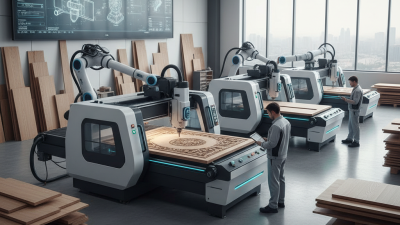
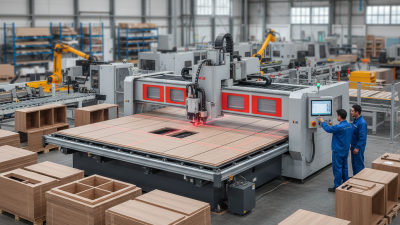
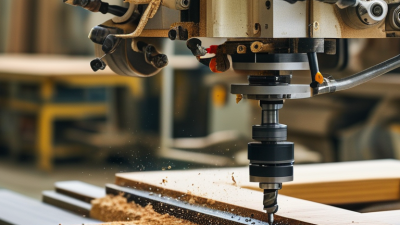
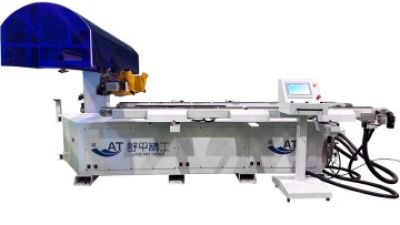
In today's super competitive market, investing in a Wood Cnc Machine can make a huge difference for your productivity and accuracy. Honestly, John Smith from Advanced Woodworking Solutions sums it up pretty well—he says, "A Wood CNC Machine doesn’t just speed things up; it also sparks more creativity in design." That really hits home across lots of woodworking shops, showing just how important tech tools have become.
Choosing the right equipment can feel pretty overwhelming, no doubt. The Wood CNC Machine is versatile and efficient, letting you cut and create designs that traditional methods might struggle to pull off. But let’s be real – jumping into this technology means you’ve gotta adapt. Some folks might find the learning curve kinda steep at first. Sure, it’s a hefty investment, but honestly, the payoff in quality and smooth operations? Totally worth it.
All in all, the Wood CNC Machine marks a shift toward modern craftsmanship. Yeah, there are some challenges along the way, but there’s no denying its advantages. As the industry moves forward, those who embrace these machines could really stand out — creatively and in terms of customer satisfaction. At the end of the day, whether to go for it depends on weighing those initial hurdles against the long-term benefits.
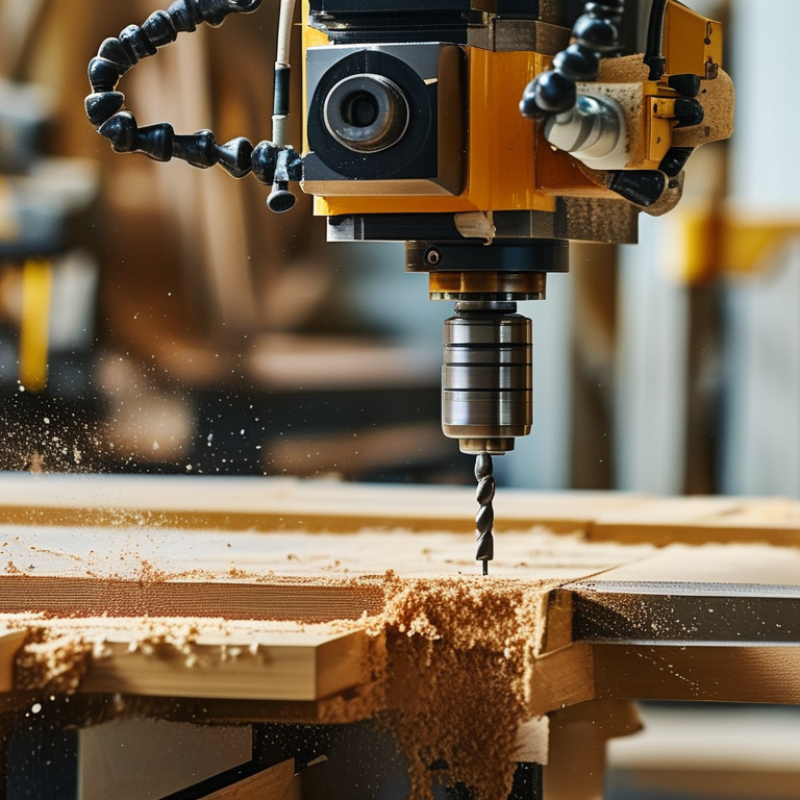
Benefits of Using Wood CNC Machines in Modern Manufacturing
Wood CNC machines are transforming the landscape of modern manufacturing. They offer unmatched precision and efficiency. These machines can cut, carve, and engrave wood with intricate designs. Seamless automation boosts production rates and reduces labor costs. Many businesses have turned to CNC technology to meet rising demands.
One of the standout benefits is customization. Wood CNC machines can create tailored products quickly. Whether it’s furniture components or decorative pieces, the options are vast. This ability to easily modify designs can significantly enhance competitiveness in the market. However, the initial investment can be daunting for small businesses. It requires careful consideration of budget and expected returns.
Despite their advantages, there are challenges. Maintenance and software updates are essential to keep performance optimal. Operators need training to fully utilize these machines. This learning curve can lead to mistakes. Yet, these challenges often lead to breakthroughs. Businesses frequently discover new applications for their CNC machines through experimentation. Embracing these imperfections and learning from them is crucial for growth.
Benefits of Using Wood CNC Machines in Modern Manufacturing
This bar chart illustrates the key benefits of using wood CNC machines in modern manufacturing. Each bar represents a different advantage, including cost efficiency, precision, versatility, speed, and waste reduction. The high scores indicate strong performance in these areas, highlighting why businesses should consider investing in wood CNC technology.
Key Features of Wood CNC Machines for Business Applications
Choosing a wood CNC machine for your business can greatly enhance productivity and precision. These machines offer several key features that make them ideal for various applications. The advanced computer numerical control allows for intricate designs and cuts that would be nearly impossible by hand. For example, a recent industry report states that CNC machines can increase production efficiency by up to 50%. This efficiency often leads to reduced operational costs over time.
Another significant feature is versatility. Wood CNC machines can handle different materials, from softwoods to hardwoods. They can create customized pieces, catering to specific client requests. In fact, studies show that businesses using CNC technology see a 30% increase in customer satisfaction due to the quality and uniqueness of their products.
When considering a wood CNC machine, here are some tips: prioritize machines with reliable software for design ease. Research models that have been tested for durability and precision. Consider the size of the machine relative to your workspace; larger machines can offer more capabilities but require more floor space. Reflect on your production needs; investing in a high-quality CNC machine may involve significant upfront costs, so weigh long-term benefits against initial expenditures.
Comparing Wood CNC Machines to Traditional Woodworking Methods
In comparing wood CNC machines to traditional woodworking methods, the differences are striking. Traditional methods often require extensive manual labor. Craftsmen spend hours shaping wood with hand tools. This can lead to inconsistencies in the final product. Precision is often sacrificed for speed. Meanwhile, a wood CNC machine offers automated accuracy. It cuts through wood with precision, creating intricate designs effortlessly.
Consider a Door Cnc Machine. It can produce multiple door designs in a fraction of the time. Each piece is identical, maintaining high quality. The risk of human error is minimized. This efficiency allows for increased production rates. However, it's important to note that using these machines requires skilled operators. Understanding the software is crucial for achieving optimal results.
While CNC machines enhance productivity, they can feel impersonal. Some artisans worry about losing the craftsmanship aspect of woodworking. There's a certain charm in handcrafted pieces that machines cannot replicate. Balancing technology and artistry is essential for many woodworkers. This ongoing conversation highlights the evolving landscape of woodworking. Embracing technology does not mean abandoning tradition; it’s about finding a harmonious blend.
Why Choose a Wood CNC Machine for Your Business Needs? - Comparing Wood CNC Machines to Traditional Woodworking Methods
| Feature |
Wood CNC Machine |
Traditional Woodworking |
| Precision |
High precision, repeatable cuts. |
Depends on skill; may vary significantly. |
| Speed |
Rapid production, ideal for bulk work. |
Slower process, more manual labor required. |
| Flexibility |
Versatile; can create complex designs easily. |
Limited to traditional shapes; complex designs are harder. |
| Cost |
Higher initial investment, but savings on labor. |
Lower upfront cost, but higher long-term labor costs. |
| Training |
Requires specific training for operation. |
Skills can be learned through hands-on experience. |
| Maintenance |
Regular maintenance required for optimal performance. |
Maintenance is generally manual tools upkeep. |
Cost Efficiency: How Wood CNC Machines Save Time and Resources
In today’s manufacturing landscape, cost efficiency plays a vital role. Wood CNC machines stand out by significantly reducing operational costs. According to a report by the International Woodworking Fair, companies using CNC technology can save up to 30% in labor costs. This efficiency stems from automation, allowing machines to perform tasks that require less human intervention.
Time is another crucial factor. A study by the Association of Woodworking and Furnishings Suppliers noted that CNC machining reduces production time by up to 40%. This efficiency means businesses can fulfill orders faster, which is essential in a competitive market. A Cnc Boring Machine, for instance, offers precision and speed that traditional methods cannot match.
Tips: Ensure regular maintenance of your machines to prevent breakdowns. Staying updated with technological advancements can help maintain competitiveness.
Utilizing CNC technology often requires an initial investment, but the long-term savings are worth it. However, businesses should analyze their specific needs before transitioning. Each operation may face unique challenges that must be addressed for optimal utilization.
Precision and Quality: The Advantages of CNC Technology in Woodworking
Using a wood CNC machine can transform your woodworking projects. CNC technology brings impressive precision and quality to the table. For businesses, this means fewer errors and a cleaner finish on each product. The ability to design intricate patterns and shapes is a game changer.
Cnc Nesting Machines optimize material usage while reducing waste. They create efficient layouts that save both time and resources. However, operating these machines requires skilled technicians who understand the software and hardware. Training may take time, and there can be a learning curve for new users.
Precision is not without challenges. Small misalignments can lead to larger issues down the line. This is why calibration and regular maintenance are critical. Choosing the right CNC machine is vital, but so is having a reliable team to support it. Balancing technology with human expertise can yield the best results.
Customization Options: Tailoring CNC Machines to Specific Business Needs
When considering a CNC machine for woodworking, customization is key. A Wood CNC Machine can be tailored to fit specific business needs, enhancing production efficiency. According to a recent industry report, nearly 75% of manufacturers seek machines that allow for unique adaptations. This customization enables businesses to stay competitive in a rapidly evolving market.
For instance, the Door Design Cnc Machine can be adapted to cut intricate patterns or to create bespoke designs that meet customer specifications. This ability to personalize products can significantly boost customer satisfaction. A survey found that companies offering customizable products see a 20% increase in client retention.
Tips for customizing your CNC machine include assessing your production volume first. Understand your material types, as different wood species may require specific tooling. Regularly seek feedback from your team to optimize machine setup. Reflecting on these aspects can enhance productivity and minimize machine downtime. Always keep in mind that customization requires a balance of complexity and functionality to truly serve your business needs.
Future Trends: Innovations in Wood CNC Machinery and Their Impact
The wood CNC machinery market is rapidly evolving, driven by technological advancements and user demands. Innovations like hybrid CNC machines and smart automation are making waves. A report from IBISWorld indicates that the wood CNC market is expected to grow by over 6% annually through 2025. This growth signifies a shift in how businesses approach woodworking.
Customizable options are becoming increasingly available. Digital tools allow for precise designs that were once labor-intensive. Many companies report enhanced efficiency and reduced waste, leading to a more sustainable approach. However, adopting these innovations can be challenging. Small businesses may face initial costs that detain them from upgrading.
Tips: Always assess your business needs before investing. Consider starting with one machine and gradually expanding as you see returns. Training employees on new technologies can also help maximize your investment. Investing time into understanding these new tools is just as crucial as the financial investment itself.
Maximizing Efficiency and Precision in Woodworking with CNC Door Leaf Four-Sided Sawing Machining Centers
The woodworking industry is experiencing a significant transformation with the advent of advanced machinery designed to enhance efficiency and precision. Among these innovations, computer numeric control (CNC) machining centers are at the forefront. One notable development in this sector is the implementation of four-sided sawing machining centers, which drastically streamline the production process of door panels. According to industry reports, automated woodworking machines can increase labor productivity by up to 80%, allowing manufacturers to meet growing market demands while minimizing costs.
The four-sided saw machining centers utilize cutting-edge technology, including servo control and belt conveyor systems, which eliminate the inefficiencies of manual handling. By executing the sawing and cutting of all four edges of a door leaf in one continuous motion, these machines ensure that the verticality and flatness of each panel adhere to strict accuracy standards. This precision reduces the need for secondary processing, which is a common pitfall in traditional woodworking methods. Recent surveys indicate that companies that have adopted CNC technology have seen a yield improvement of approximately 70%, demonstrating the tangible benefits of integrating automated systems into production lines.
Furthermore, the versatility of modern CNC machines means they can seamlessly integrate with existing automated production lines or operate effectively as standalone units. This adaptability not only helps manufacturers reduce labor intensity but also supports the rapid transition towards digital and intelligent workshop environments. As the industry continues to evolve, investing in advanced four-sided sawing machining centers will likely be a crucial factor in maintaining competitiveness and achieving excellence in woodworking production.
FAQS
: A wood CNC machine automates cutting wood with high precision. It simplifies creating intricate designs effortlessly.
CNC machines reduce manual labor significantly. Traditional methods may involve inconsistencies and higher human error risks.
Yes, CNC machines can reduce production time by up to 40%. This allows businesses to fulfill orders faster.
Operating CNC machines requires skilled technicians. Training can take time, and there may be a learning curve.
Some artisans feel that machines can feel impersonal. Finding a balance between technology and traditional craftsmanship is key.
Businesses can save up to 30% in labor costs by using CNC technology. Automation reduces human intervention significantly.
Each operation faces unique challenges. Analyze specific needs to ensure optimal utilization before transitioning.
Yes, regular maintenance is crucial to prevent breakdowns. Keeping machines in good condition supports efficiency.
Precision leads to fewer errors and a cleaner finish. Businesses can create more intricate patterns while reducing waste.
Calibration is critical to avoid misalignments. Small errors can lead to larger issues in the final product.
Conclusion
Wood CNC machines have become essential in modern manufacturing due to their ability to enhance efficiency and precision. These machines offer numerous benefits including cost efficiency, saving both time and resources compared to traditional woodworking methods. The key features of wood CNC machines enable businesses to achieve high-quality outputs with intricate designs and customizable options tailored to specific needs.
Furthermore, the adoption of CNC technology in woodworking ensures superior precision, which is crucial for maintaining high standards in production. As innovations in wood CNC machinery continue to emerge, businesses can expect significant impacts on their operations, positioning them for future growth and adaptability in an ever-evolving market. Overall, the use of wood CNC machines equips businesses with the tools necessary to thrive in a competitive landscape.


 +86-18020396629


 CONTACT NUMBER