Leave Your Message
0%

In today’s super competitive market, businesses really need to be smart about their investments, especially when it comes to tools and equipment. One area that’s worth paying attention to is Industrial Woodworking Machinery. These machines can make a huge difference by speeding up production and giving you more precise craftsmanship. Companies like WoodTech Inc. are leading the charge with advanced equipment that really hits industry standards.

Investing in the right woodworking machinery can totally boost your efficiency. It often means quicker turnaround times, which everyone loves. Lots of businesses that have upgraded their gear say they’ve seen a noticeable jump in profits. But here’s the thing—it's really important to pick the right machine for what you actually need. Not every piece of equipment fits every operation, so you gotta think carefully about your production goals.

Of course, it’s not all sunshine and rainbows. The upfront costs can be a real hurdle for some companies, and maintaining this equipment isn’t free either. If you neglect regular upkeep, it could end up costing you more down the line. So, it’s crucial to honestly assess whether you’ve got the capacity to handle these ongoing responsibilities. Finding that sweet spot between what you invest and what you get back can be tricky, but if done right, it’s totally worth it.
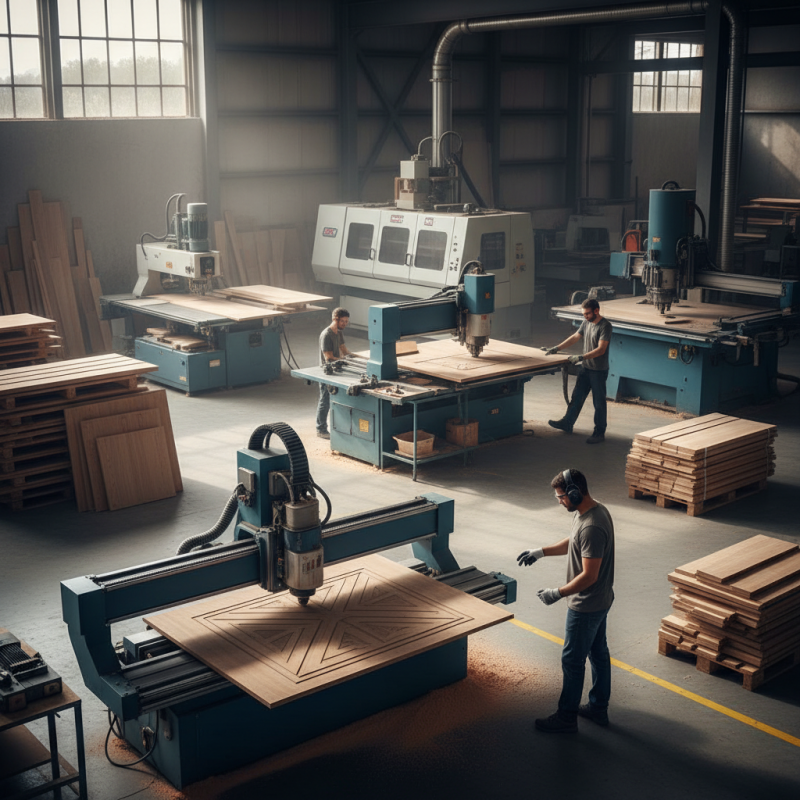
Why Choose Industrial Woodworking Machinery for Your Business?

Advantages of Industrial Woodworking Machinery for Businesses

Industrial woodworking machinery offers several advantages that can greatly benefit businesses in the woodworking sector. These machines enhance productivity, allowing for faster and more efficient operations. By utilizing advanced technology, tasks like cutting, shaping, and finishing wood become streamlined. This reduces labor costs and increases output, helping businesses to meet growing demand.

Moreover, industrial woodworking machinery ensures superior precision. Automated systems can achieve consistent results, minimizing errors. This level of accuracy is essential for high-quality products. Each piece of machinery can perform complex tasks that skilled labor might struggle with. While the initial investment may seem high, the long-term returns can be significant.

However, integrating this technology is not without challenges. Staff will need training to operate new machinery effectively. There might be a learning curve that impacts initial productivity. Also, maintenance is crucial to prevent downtime. Despite these hurdles, the benefits of adopting industrial machinery clearly outweigh the disadvantages for many woodworking businesses.

Key Features to Consider in Woodworking Machinery

Why Choose Industrial Woodworking Machinery for Your Business?

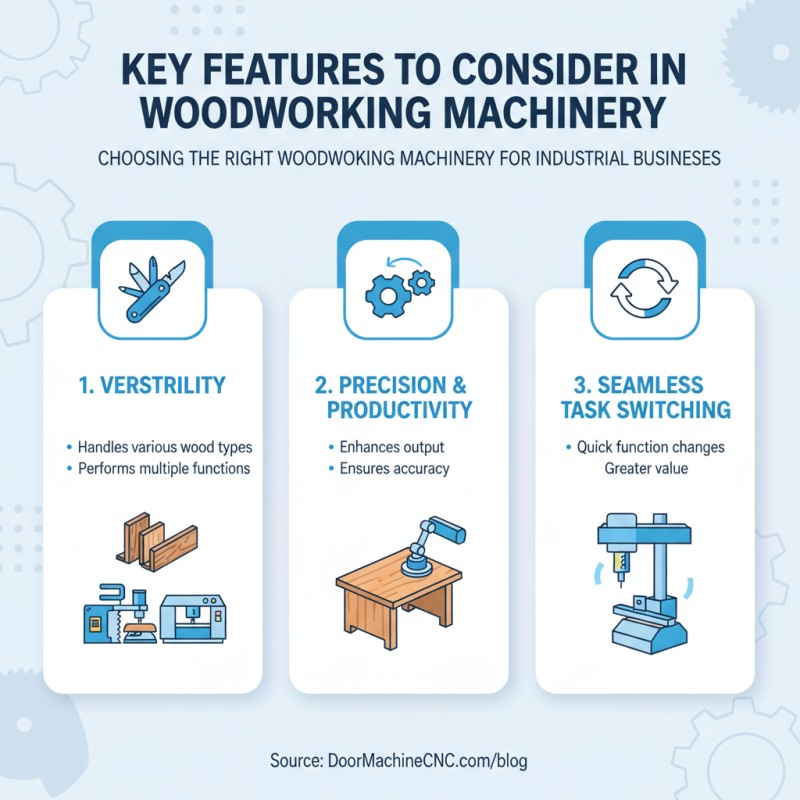
Choosing the right Woodworking Machinery is essential for any industrial business. Key features play a significant role in enhancing productivity and ensuring precision. One critical aspect is the machine's versatility. Machines that can handle various types of wood and perform multiple functions often provide greater value. A good woodworking machinery should be able to switch between tasks seamlessly.

Another important feature is the ease of maintenance. Regular upkeep ensures the longevity of the machinery, impacting overall efficiency. Machines with easily accessible parts are often better choices. They allow for quicker repairs and reduce downtime. Additionally, consider the technology integrated into the machinery. Advanced automation can significantly improve consistency in production, yet it may require an initial learning curve.

Lastly, pay attention to the safety features of woodworking machinery. Safety should never be compromised. Machines equipped with emergency shut-off switches and safety guards help prevent accidents. While investing in high-quality equipment, remember to weigh the cost against the benefits. It's vital to reflect on what features align best with your specific needs to make an informed decision.

Types of Industrial Woodworking Machinery Available

When considering industrial woodworking machinery, it's essential to understand the different types available. Each machine plays a unique role in the woodworking process, catering to various needs and applications. For instance, CNC routers are popular for their precision. They can cut intricate patterns in wood, making them ideal for custom projects. These machines save time, yet they require skilled operators who can handle the technology.

Another significant category is jointers and planers. Jointers flatten the edges of lumber for seamless joints, while planers create uniform thickness across boards. These machines enhance the quality of the final product. However, improper use can lead to defects, emphasizing the need for proper training.

Saws, like table saws and band saws, are crucial for cutting wood into desired shapes. They offer versatility, but safety is a concern. Operators must be vigilant to prevent accidents. In a busy workshop, distractions can lead to mistakes. Understanding machine limitations is key for successful operation. Each type of machinery has strengths and weaknesses, and careful selection based on specific applications will ultimately benefit any woodworking enterprise.

Cost-Effectiveness of Investing in Quality Machinery

Why Choose Industrial Woodworking Machinery for Your Business?

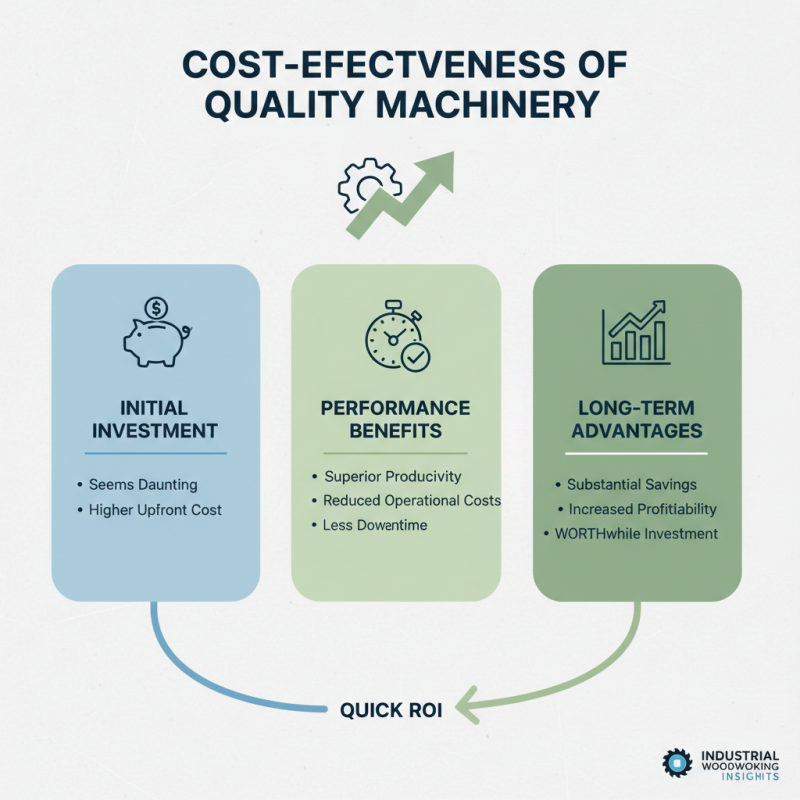
Investing in quality industrial woodworking machinery can seem daunting. However, the financial benefits can be substantial. High-quality machinery typically offers superior performance. This can result in increased productivity and reduced operational costs. For businesses, these savings can quickly add up, making the initial investment worthwhile.

When evaluating cost-effectiveness, consider long-term durability. Quality machinery usually requires less maintenance, minimizing downtime. This can result in more consistent output. It’s interesting to note that many businesses overlook the hidden costs of cheaper alternatives. Frequent repairs and replacements can quickly negate any upfront savings.

Yet, not all investments yield immediate returns. Companies may find that they need time to adapt to new machines. Proper training is essential to harness the full potential of these tools. There may still be challenges in production flow. It’s crucial to assess whether the chosen machinery aligns with specific business needs. Balancing these elements can pave the way for a more resilient operation.

Impact on Efficiency and Productivity in Woodworking Operations

Choosing industrial woodworking machinery can significantly impact efficiency and productivity in woodworking operations. The precision and speed of modern machines streamline the manufacturing process. For instance, using a Woodworking Cnc can reduce manual labor and minimize human error. It transforms complex designs into reality with consistent accuracy. This efficiency allows for increased output and quicker turnaround times.

Investing in quality machinery also fosters creativity. Craftspeople can focus on design rather than tedious tasks. However, the initial cost can be daunting for some businesses. It's essential to weigh the long-term gains against the upfront expenditures. A machine's reliability is crucial, as downtime can disrupt workflow. Regular maintenance and operator training ensure smooth operations.

Despite the benefits, not every woodworking shop may need extensive machinery. Smaller operations might still rely on traditional methods for specific tasks. Each business must evaluate its unique needs. Effective planning and assessment can lead to better decision-making. The right tools can elevate craftsmanship, but they require thoughtful investment.

Importance of Safety Standards in Woodworking Equipment

When considering woodworking machinery, safety standards cannot be overlooked. In the woodworking industry, safety should be a top priority. Data reveals that over 40% of injuries in woodworking occur due to improper equipment use. Machinery can be powerful, yet dangerous if safety guidelines are not adhered to.

Many woodworking tools, particularly those used for producing Woodworking Doors, must meet specific safety regulations. For instance, the Occupational Safety and Health Administration (OSHA) emphasizes that tool safety measures can reduce workplace accidents by as much as 60%. Proper guarding on saws and dust collection systems can significantly mitigate risks. Implementing these safety features can seem daunting, but neglecting them often ends in injury, financial loss, or even lawsuits.

Regular maintenance and employee training are essential elements in ensuring safety compliance. A study from the National Institute for Occupational Safety and Health indicates that almost 70% of workplace accidents could be avoided with proper training. Seeing the value in regular checks and ongoing education won't just save lives; it will also enhance productivity. Investing in quality industrial woodworking machinery should always come with a solid commitment to safety standards. Ultimately, both business operations and employee welfare depend on it.

Why Choose Industrial Woodworking Machinery for Your Business? - Importance of Safety Standards in Woodworking Equipment

Category Machinery Type Safety Standard Key Features
Saws Table Saw ANSI, OSHA Riving knife, blade guard
Planers Thickness Planer CE, ISO Safety shut-off, chip bag
Jointers Jointers ANSI, UL Anti-kickback pawls, safety lock
Sanders Belt Sander ISO, CE Dust collection, speed control
CNC Machines CNC Router ISO, ATEX Automatic tool changers, safety shields

Trends in Industrial Woodworking Machinery Technology

As technology advances, industrial woodworking machinery is evolving rapidly. New trends emphasize automation and precision. Businesses increasingly rely on high-tech Woodworking Tools to enhance productivity. These machines enable manufacturers to reduce waste and improve output quality. The integration of advanced software allows for easier operation and greater efficiency.

Consider the rise of CNC machines. These tools offer precise control over cutting and shaping wood. They facilitate intricate designs that would be challenging with traditional methods. Utilizing CNC technology can greatly enhance the craftsmanship and uniqueness of your products.

**Tips:** When selecting woodworking tools, prioritize features that align with your production needs. Monitor industry trends to stay ahead, and seek training to maximize machine potential. Additionally, regularly evaluate your machinery for upgrades or replacements. Staying informed will keep your business relevant and competitive. Embracing these technological shifts requires commitment, but the rewards can be significant. Machine capabilities are constantly improving, creating opportunities to innovate your product lines.

Trends in Industrial Woodworking Machinery Technology

FAQS

: What should I consider when choosing woodworking machinery?

: Consider versatility, maintenance ease, integrated technology, and safety features. All these impact productivity and efficiency.

Why is machine versatility important?

Versatile machines handle various wood types and tasks. They often provide more value in a woodworking setup.

How does maintenance affect woodworking machinery?

Regular maintenance ensures longevity and efficiency. Accessible parts allow for quicker repairs and less downtime.

What role does technology play in woodworking machinery?

Advanced automation enhances consistency but may require a learning curve. Training staff is essential for optimal use.

Why are safety features critical in woodworking machinery?

Safety features like emergency shut-offs prevent accidents. Compromising safety can lead to severe consequences in a workshop.

Are there different types of woodworking machinery?

Yes, types include CNC routers, jointers, planers, and saws. Each serves unique applications and has specific strengths.

How can I evaluate the cost-effectiveness of machinery?

Look beyond initial costs. Consider long-term durability and maintenance. High-quality machines often save money over time.

What challenges may arise with new machinery?

There may be a learning period and adjustments in production flow. Proper training is essential to maximize potential.

Is investing in quality machinery always worth it?

Yes, though the benefits may take time to show. The durability and reduced operational costs can justify the investment.

How can I ensure successful machinery operation?

Understand each machine's limitations and functionalities. Balanced selection based on needs is vital for success in woodworking.

Conclusion

Industrial Woodworking Machinery offers numerous advantages for businesses looking to enhance their woodworking processes. These machines come equipped with key features such as precision engineering, automation, and versatility, which can significantly improve operational efficiency and productivity. Various types of machinery are available to cater to different needs, ensuring that businesses can find the right tools for their specific requirements.

Investing in quality Industrial Woodworking Machinery is also cost-effective in the long run, as it reduces labor costs and minimizes waste. Moreover, adhering to safety standards in woodworking equipment is crucial for maintaining a safe working environment. Staying updated with the latest trends in Industrial Woodworking Machinery technology can help businesses remain competitive and meet the evolving demands of the industry. Overall, the right machinery not only boosts performance but also ensures sustainability and safety in woodworking operations.


Charlotte

Charlotte

Charlotte is a dedicated marketing professional specializing in the field of CNC woodworking machinery. Since joining her company, which has been at the forefront of research and development, production, sales, and service in the industry since 1995, she has worked tirelessly to promote intelligent......
Previous 2026 Best China Wholesale CNC Nesting Machine Reviews and Buying Guide?