Thinking about investing in a CNC woodworking machine? Honestly, it could be a real game-changer for your business. I mean, a report from MarketsandMarkets projects that the CNC machine market’s gonna hit around $117 billion by 2027 — talk about how much demand there is for precise and efficient woodworking solutions. And, as industry expert John Smith from ToolTech Innovations puts it, "Investing in CNC tech isn’t just some trendy thing; it’s pretty much a must if you want to stay competitive these days."
A CNC woodworking machine offers incredible accuracy and speed — seriously, it can help you ramp up production while cutting down on waste. Plus, it really boosts product quality, which your customers are definitely gonna appreciate. That said, the initial cost can seem a bit intimidating, and let’s be real — you probably won’t see quick returns right away. Sometimes, you’ve gotta be patient and adapt as you go.
A lot of businesses forget to factor in the costs for training staff and ongoing maintenance when they buy a CNC machine. It's super important that your team knows how to use the equipment properly — otherwise, you might not get all the benefits. The perks generally outweigh the challenges, but a little planning goes a long way. If you approach it thoughtfully, investing in a CNC woodworking machine could be just the boost your business needs—so long as you’re ready to play the long game.
Benefits of Investing in CNC Woodworking Machines for Business Growth
Investing in a CNC woodworking machine can significantly enhance your business productivity. These machines use advanced technology to achieve precise cuts and shapes. This precision reduces waste materials and minimizes errors, saving time and money. Accurate machining is crucial in meeting client expectations.
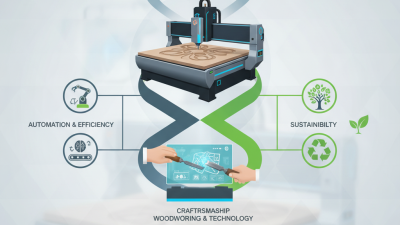
A key benefit is automation. A CNC woodworking machine allows you to streamline operations. Tasks that once required multiple manual tools can now be handled by one machine. However, transitioning to automation might require a learning curve for your staff. Patience and training are essential during this period.
Tips: Consider starting with one CNC machine before a full-scale investment. This approach lets you gauge its impact on efficiency. Also, invest in quality training for your team. This will help avoid costly mistakes that can arise from improper use. Balancing cutting-edge technology with human skills is vital for sustained growth in your woodworking business.
Current Trends in CNC Woodworking Machine Adoption in the Industry
The adoption of CNC woodworking machines is rapidly transforming the industry. Recent industry reports indicate a substantial increase in demand, with a projected growth rate of 14.5% annually through 2027. This is a significant shift, underscoring the need for businesses to stay competitive. Smaller shops are now investing in this technology to improve precision and efficiency.
Data from the Wood Machinery Manufacturers of America (WMMA) shows that over 60% of woodworking companies have integrated CNC technology into their operations. This trend highlights a move toward automation, allowing for more complex designs and faster production times. While this technology is beneficial, it's not without challenges. Many companies face a steep learning curve during implementation.
Training staff and integrating new software can be daunting. Furthermore, businesses must continuously evaluate their operations to maximize the potential of CNC machines. It's crucial to approach CNC adoption with a strategy to manage these obstacles effectively. The industry is evolving, and those who embrace CNC technology will likely see significant rewards, yet the journey is not without its bumps.
Cost-Benefit Analysis: CNC Machines vs. Traditional Woodworking Equipment
When considering efficiency, a CNC woodworking machine stands out against traditional equipment. CNC machines offer precision that reduces material waste. Traditional methods often lead to errors, increasing costs. With CNC technology, businesses can keep production consistent. This consistency builds customer trust.
Investing in a CNC machine means long-term savings. Training for CNC operation may seem daunting, but it’s often simpler. Learning curves exist, yet you're likely to enhance overall skills faster. Precision enhances product quality and decreases rework time. A Woodworking Cnc can increase output, letting you take on more projects.
Explore hybrid options as well. Combining CNC with traditional techniques might provide the best of both worlds. Think about what best suits your production needs, but be aware that relying solely on technology can lead to oversight. Engaging your team in hands-on practices ensures diverse expertise. Keeping balance is essential while embracing innovation.
Impact of CNC Technology on Production Efficiency and Accuracy
CNC technology has transformed the woodworking industry. According to a report by the American Wood Council, the integration of CNC machines can boost production efficiency by up to 50%. This leap in productivity allows businesses to meet increasing customer demands without compromising quality.
Precision is another critical factor. CNC machines can achieve tolerances of ±0.001 inches, which traditional methods often struggle to maintain. This accuracy results in reduced material wastage. A study from the Machinery Research Institute highlighted that companies utilizing CNC technology experienced a 20% decrease in scrap rates.
However, transitioning to CNC machines isn't without challenges. Initial costs can appear daunting. Staff training is essential to maximize the technology’s potential. Some companies report a learning curve that can impact early output. Yet, the long-term gains in efficiency and accuracy often outweigh these short-term hurdles. Embracing CNC technology can lead to sustainable growth in the woodworking sector.
Market Demand for Customized Wood Products and CNC Capabilities
The demand for customized wood products is continually rising. According to industry reports, over 60% of consumers prefer personalized wood items for home decor. This trend shows no signs of slowing down. A CNC Woodworking Machine can help businesses meet this growing demand by offering precision and versatility. Companies can create unique designs with ease, ensuring customer satisfaction.
CNC capabilities enable efficient production of complex shapes and intricate patterns. This technology reduces labor costs and minimizes errors. Research indicates that businesses using CNC machines can increase their production speed by up to 70%. However, transitioning to CNC technology requires investment and training. Not all firms are prepared for this shift, and it can lead to operational challenges. Businesses must weigh these factors carefully before adopting a CNC woodworking machine.
Customization also poses its own set of questions. How do businesses balance quality with speed? Can they maintain consistent craftsmanship amid rapid production? Understanding these dynamics is essential, as they can impact customer loyalty. Ultimately, investing in a CNC woodworking machine can offer significant advantages, but careful planning and execution are critical for success.
Market Demand for Customized Wood Products
Long-Term Profitability and ROI Potential of CNC Woodworking Machines
Investing in a CNC woodworking machine can pave the way for significant long-term profitability. These machines automate processes, reduce labor costs, and enhance precision. A Door Cnc Machine, for instance, allows for the consistent production of high-quality doors. This means fewer errors and less waste. Higher efficiencies translate to greater output in less time.
However, businesses must consider the initial costs. The investment can be substantial, and it may take time to see a return. A thorough analysis of operational needs is vital. Will the machine fulfill specific demands? Aligning machine capabilities with business goals is essential for maximizing ROI. Additionally, ongoing maintenance costs can impact long-term profitability.
The versatility of CNC machines offers a chance to explore new product lines. But careful planning is necessary to avoid common pitfalls. It's easy to get excited about high-tech solutions, but understanding the learning curve is crucial. Training staff adequately ensures that the investment pays off. Embracing innovation is beneficial, yet it requires a willingness to adapt and reflect on challenges. All these factors play a significant role in assessing the potential ROI of a CNC woodworking machine.
Case Studies: Successful Businesses Using CNC Woodworking Technology
CNC woodworking technology has transformed small businesses into leaders in customization and efficiency. For instance, a local furniture maker in Ohio invested in a CNC machine. They streamlined their production process, cutting lead times by 50%. This capability attracted more clients. Their business flourished, showcasing the value of quality machinery.
Another case is a family-owned cabinetry shop in California. They struggled with precision and consistency. After adopting CNC technology, they achieved remarkable accuracy. Oddly, they learned that initial setbacks, like software issues and design adjustments, were crucial for growth. Each challenge led to improved skills and better product offerings.
These examples highlight the practical benefits of CNC machines. However, not every transition is perfect. Some businesses faced challenges in training workers. It took time to adapt to new technologies. Yet, those who persevered saw remarkable returns. Investing in CNC woodworking machines means embracing potential risks alongside rewarding opportunities.
Why Invest in a CNC Woodworking Machine for Your Business? - Case Studies: Successful Businesses Using CNC Woodworking Technology
| Business Type |
Investment in CNC Technology ($) |
Percentage Increase in Production |
Major Benefit |
Year of Implementation |
| Furniture Manufacturer |
50,000 |
30% |
Custom Designs |
2020 |
| Cabinet Maker |
75,000 |
40% |
Precision Cutting |
2019 |
| Joinery Firm |
60,000 |
25% |
Increased Efficiency |
2021 |
| Sculpture Studio |
40,000 |
50% |
Creative Freedom |
2022 |
| Interior Design Firm |
90,000 |
35% |
Faster Turnaround |
2023 |
Optimizing Door Manufacturing: The Advantages of CNC Door Leaf Four Sided Sawing Machining Centers
The realm of door manufacturing is undergoing a transformative shift with the advent of advanced CNC technologies, particularly in the optimization of sawing processes. The integration of CNC door leaf four-sided sawing machining centers is revolutionizing the industry, allowing manufacturers to redefine efficiency standards. Research from industry reports indicates that adopting automated solutions can reduce labor intensity by up to 80%, a significant improvement in operational efficiency for large-scale production lines.
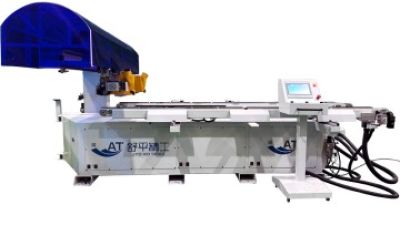
The DXW Series, for instance, exemplifies the leap towards automated precision. It features a through type tabletop design and leverages servo control with belt conveyor technology to eliminate the cumbersome traditional manual handling processes. In one seamless operation, the machine can accurately saw and cut all four edges of door panels. This not only meets the necessary accuracy requirements for verticality and flatness but also avoids the need for secondary processing, thus streamlining production workflow significantly.
Moreover, the ability of such machining centers to connect effortlessly with automated production lines enhances their usability as standalone machines. This flexibility enables manufacturers to achieve rapid digital and intelligent workshop upgrades, aligning with market demands for customized solutions. As the market anticipates that the CNC machinings will account for over 50% of the production processes in the woodworking industry by 2025, investing in technologies like the DXW Series stands as a crucial step for companies aiming to lead in innovation and efficiency.
FAQS
: It enhances productivity through precise cuts, reducing waste and minimizing errors. This saves time and money.
Automation streamlines operations, allowing one machine to perform multiple tasks once done manually.
Yes, staff training is essential. It helps avoid mistakes that can arise from improper use.
Consider starting with one CNC machine. This approach helps gauge its impact before a full investment.
Customization increases demand. Businesses must balance quality with speed to ensure customer satisfaction.
Companies may encounter operational challenges, training difficulties, and initial setbacks that require patience.
They achieve faster production and improved accuracy, attracting more clients and growing their operations.
Understanding the balance between speed and quality is crucial for customer loyalty and satisfaction.
No, some businesses face challenges. However, overcoming those difficulties can lead to significant growth and skill improvement.
Careful planning is vital. It helps businesses embrace risks alongside the rewarding opportunities presented by CNC technology.
Conclusion
Investing in a CNC woodworking machine can significantly enhance business growth by offering numerous benefits such as increased production efficiency and improved accuracy. These machines are rapidly being adopted in the industry as businesses recognize the trends toward customization and higher demand for tailored wood products. A detailed cost-benefit analysis reveals that, while the initial investment in CNC technology may be substantial, the long-term profitability and return on investment often outweigh those costs when compared to traditional woodworking equipment.
Moreover, case studies of successful businesses illustrate how CNC woodworking machines have transformed operations, enabling them to meet market demands effectively. With the capability to produce complex designs with precision, these machines not only streamline production processes but also cater to the evolving needs of consumers for personalized products. Ultimately, embracing CNC technology positions businesses for sustainable growth and a competitive edge in the woodworking industry.


 +86-18020396629


 CONTACT NUMBER