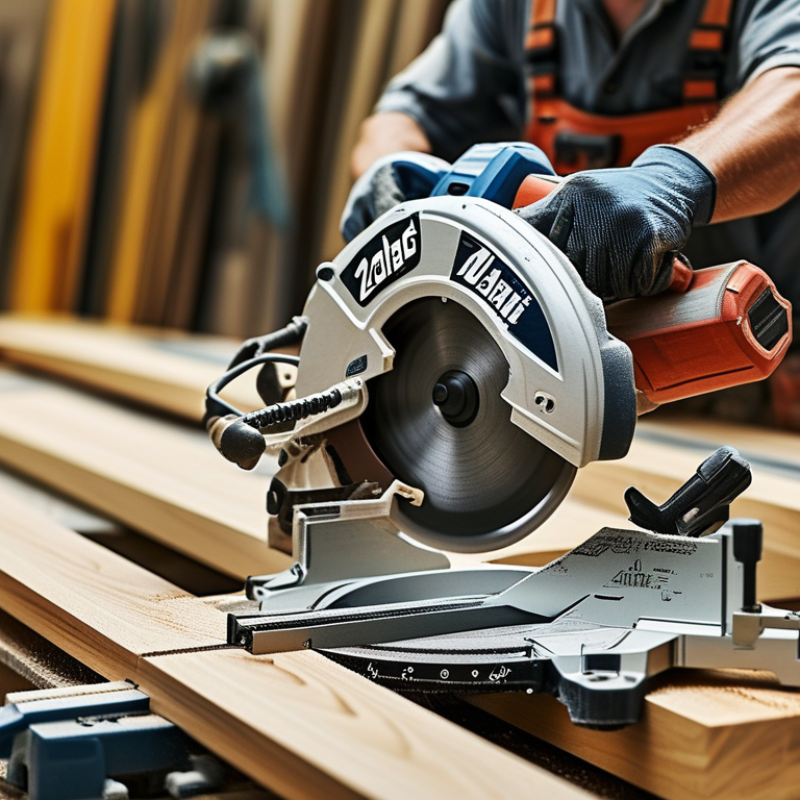
As the world of woodworking tools keeps evolving, more and more folks are starting to pay attention to Miter Saw brands—they’re really gaining traction across the globe. I was chatting with industry pro John Smith the other day, and he pointed out something pretty important:
Top Miter Saw Brands Overview for 2026 Global Market
As we approach 2026, the global miter saw market remains vibrant. Various brands have established their presence, focusing on precision and user experience. These manufacturers prioritize technology integration. Many are embracing cordless designs, allowing for versatility at job sites. Power and battery life are becoming critical factors for buyers. Users seek tools that blend performance with ease of use.
Market trends indicate an increased focus on safety features. Ergonomic designs are also gaining traction. The aim is to enhance usability, particularly for novice users. However, not all brands are hitting the mark. Some models struggle with balancing power and weight, leading to fatigue during extended use. Consumers have raised concerns about durability, especially for high-frequency tasks.
Reviews and user feedback play a significant role in shaping market perceptions. Buyers now rely heavily on online resources to select tools that meet their needs. There's a noticeable challenge in finding trustworthy product evaluations. Ultimately, the right choice of miter saw can significantly impact both professional and DIY projects. Careful consideration of brand reputation is essential to ensure reliability.
Key Factors Impacting Miter Saw Brand Selection in 2026
In 2026, selecting a miter saw brand involves various factors that can significantly influence buyer decisions. One vital consideration is product performance. A recent industry report by the Tool Manufacturers Association highlighted that precision and reliability in cuts directly correlate with user satisfaction. For professionals, the ability to create accurate bevels and crosscuts is paramount.
Another critical factor is customer service and support. According to a survey by Construction Equipment Magazine, 78% of users prioritize brands that offer comprehensive after-sales service. Quick access to parts, knowledgeable support teams, and generous warranties can enhance customer loyalty.
Cost remains a central concern. Data from Home Improvement Insights indicates that consumers are willing to invest in quality. However, budget constraints can lead to difficult choices. Buyers seek a balance between affordability and features, which can sometimes compromise their original preferences. Hence, understanding personal needs against market options is essential. Many users report regret over sudden decisions. Taking time to evaluate choices can mitigate this risk.
Leading Miter Saw Brands Ranked by User Satisfaction in 2026
In 2026, user satisfaction remains a crucial factor for miter saw brands. A recent survey revealed that professionals prioritize accuracy, durability, and ease of use. Among users, 85% emphasized the importance of a reliable cutting mechanism. This preference shapes buying decisions significantly. Data indicates that saws with enhanced safety features also rank higher in satisfaction levels.
Performance matters deeply to buyers. For instance, models that deliver consistent cuts tend to evoke positive feedback. According to industry reports, nearly 75% of users reported frustration when faced with frequent blade misalignments. Some brands have invested in technology to reduce this issue, resulting in improved user experiences. Comfort during prolonged use is another focal point. Users crave ergonomic designs that reduce fatigue.
Yet, not all brands meet these expectations. A lack of adequate customer support can frustrate users. Reports indicate that purchasing decisions are often swayed by online reviews. Users seek out feedback regarding after-sales services. The gap between expectations and reality can lead to disappointment. Understanding these nuances can help buyers navigate the market more effectively.
Innovative Features of Miter Saws from Top Brands in 2026
Miter saws are essential tools for woodworkers and DIY enthusiasts. In 2026, top brands are introducing innovative features that enhance performance and safety. One notable advancement is the integration of laser guides. These laser systems project a line on the workpiece, ensuring more precise cuts. Accuracy is crucial, especially for intricate projects.
Another exciting feature is dust collection systems. Effective dust management improves visibility during cutting. It creates a cleaner workspace, which is often overlooked. Enhanced safety measures are also emerging, such as automatic blade brakes. These brakes stop the blade quickly in case of an emergency. They can prevent serious injuries, making miter saws safer for users.
Some brands are experimenting with digital displays as well. These screens can provide real-time data about angle settings and cut depth. However, they may prove to be unreliable in rough job site conditions. Users need to consider their environment when selecting specific features. Overall, these innovations reflect a commitment to improving user experience and safety in woodworking.
Comparative Price Analysis of Miter Saw Brands for Global Buyers
When considering miter saws in 2026, price comparisons will be crucial for global buyers. The market offers a vast range of options, making it essential to identify what aligns with your needs. Basic models may start lower, but advanced features increase costs significantly. This progression requires careful evaluation of value versus investment.
Many buyers focus solely on price. However, cheaper doesn't always mean better. Essential features like accuracy and durability often justify a higher price. Understanding these price ranges can lead to better purchases. Also, consider long-term usability. Will the lower-cost option serve you well over time? This crucial decision often requires careful thought.
Furthermore, regional differences can impact prices. Import taxes and shipping fees vary widely. As a result, miter saws may cost more in specific areas. Buyers should account for additional expenses. Compare prices across multiple sources. This practice may reveal hidden costs or promotions. Delving into these details assists in making an informed choice.
Emerging Brands in the Miter Saw Market to Watch in 2026
As we approach 2026, the miter saw market is ripe with emerging brands that promise innovation. These new players focus on user-friendly designs and robust performance. They aim to capture a segment of the market eager for fresh options. Each brand brings something unique, from advanced features to eco-friendly production methods. Their commitment reflects a growing awareness of consumer needs.
Tips: Always consider the weight of the tool. A lighter miter saw can enhance control and reduce fatigue. Also, look for brands that provide comprehensive customer support. This can be crucial when facing operational challenges.
The competition is intense, and some entrants struggle to establish their reputation. A few have made headlines but still need to prove consistency. Observing their journey offers insights into market dynamics. These brands often prioritize feedback for improvement, tailoring products to specific customer desires.
Tips: Don't overlook warranty options. A solid warranty speaks to a brand's confidence in its product. Additionally, consider user reviews. They can reveal hidden strengths or weaknesses of a miter saw.
Consumer Trends Influencing Miter Saw Purchases Worldwide in 2026
Consumer trends in miter saw purchases are evolving rapidly in 2026. High demand for precision tools drives buyers toward enhanced accuracy and durability. Many hobbyists and professionals alike value tools that can withstand heavy use. They seek devices that deliver consistent performance over time. This shift influences manufacturers to focus on quality materials and innovative designs.
Environmentally-conscious shoppers are growing in number. Many buyers prioritize sustainability when choosing tools. They prefer products that use eco-friendly materials and generate less waste. This change indicates a shifting perspective towards responsible consumerism. Buyers also appreciate tools with lower energy consumption. Miter saws that align with these values are more likely to catch their attention.
Additionally, technology integration is becoming a key factor. Many buyers are intrigued by smart features that enhance functionality. Bluetooth connectivity and integrated safety features appeal to those looking for convenience. Yet not all consumers are aware of these advancements. Some may feel overwhelmed by the rapid pace of innovation. This gap highlights the need for clear, educational resources. Understanding these trends helps manufacturers meet consumer expectations effectively.
Top Miter Saw Brands for Global Buyers in 2026
| Country |
Market Share (%) |
Average Price ($) |
User Rating (out of 5) |
Usage Type |
| USA |
30% |
250 |
4.5 |
Professional |
| Germany |
20% |
300 |
4.7 |
DIY |
| Japan |
15% |
275 |
4.6 |
Professional |
| UK |
10% |
250 |
4.4 |
DIY |
| Canada |
8% |
225 |
4.5 |
Professional |
| Australia |
7% |
260 |
4.3 |
DIY |
FAQS
: Look beyond just price. Evaluate features versus costs. Higher prices often reflect better accuracy and durability.
Import taxes and shipping fees vary. Certain areas may see higher prices. Always factor in these additional costs.
Cheaper options may not last. Ensure your choice meets long-term needs. Think about durability and performance over time.
Buyers prioritize precision and durability. Many seek tools that can handle heavy use consistently.
Eco-conscious consumers prefer tools made from sustainable materials. Products that minimize waste attract more buyers.
Smart features like Bluetooth and safety enhancements are in demand. Some buyers may find rapid tech changes confusing.
Compare across various sources. Look for hidden costs or promotions that may affect the overall price.
Not always. Weigh the balance between price and functionality. Sometimes you get what you pay for.
Buyers prefer tools that deliver consistent performance. They also appreciate innovative designs and quality materials.
Conclusion
The article "Top Miter Saw Brands for Global Buyers in 2026" provides a comprehensive overview of the miter saw market, highlighting the leading brands and their innovations expected to dominate in 2026. Key factors influencing consumer choices, such as quality, performance, and user satisfaction, are explored. The rankings of miter saw brands based on user feedback underline the importance of reliability and features that enhance usability.
Additionally, the piece delves into comparative price analysis, helping global buyers make informed purchasing decisions. Trends emerging in consumer preferences reflect a growing demand for innovative features that cater to both professionals and DIY enthusiasts. As the miter saw market evolves, the article also identifies new and emerging brands that show potential for significant impact in the coming years.


 +86-18020396629


 CONTACT NUMBER