Hey there! When you're into woodworking, picking the right tools really makes all the difference. A good Woodworking Machine can totally boost your crafting game and make things go smoother and faster. Nowadays, folks around the world are on the hunt for machines that are both versatile and sturdy enough to handle their projects. It pays off to really understand what's out there.
There are tons of companies making woodworking machines, each with their own strengths. For example, brands like Grizzly and Jet are pretty popular and trusted by both hobbyists and pros. But, not every machine is equal—some might not last long or give you the level of precision you need, which can be super frustrating. So, it’s definitely worth doing a bit of homework before you decide to buy.
Most machines claim to be efficient, but honestly, reading user reviews is where you really get the scoop. People’s real-world experiences can show you what works well and what doesn’t, helping you make smarter choices. All in all, investing in a quality woodworking machine can totally change how your projects turn out — just make sure to think it through carefully!
Overview of Woodworking Machines and Their Importance
Woodworking machines play a pivotal role in the global furniture and construction industries. These machines enhance efficiency and precision, which are vital for producing high-quality wood products. According to a report by the Technavio Analytics Group, the global woodworking machinery market is expected to grow at a compound annual growth rate (CAGR) of 3.8% from 2021 to 2025. This growth underscores the importance of investing in advanced equipment like Cnc Woodworking Machines.
CNC woodworking machines allow for intricate designs and complex cuts. They enable manufacturers to produce detailed components that manual methods cannot match. A study by Frost & Sullivan highlighted that manufacturers adopting CNC technology reported a 25% increase in productivity. However, the initial investment can be daunting for smaller businesses. Many struggle with understanding the technology and ROI, which may lead to missed opportunities for improvement.
Despite the advantages, there are concerns. Not all companies see immediate benefits from CNC woodworking machines. Some may struggle with machine maintenance and operational training. Reports suggest that 30% of small businesses lack proper training for their staff, causing production bottlenecks. These challenges remind us that even in a rapidly evolving industry, thoughtful implementation is necessary for success.
Top 10 Woodworking Machines: Performance Overview
Types of Woodworking Machines: A Comprehensive Classification
Woodworking machines come in various types, each serving specific purposes in the woodworking industry. The first category includes stationary machines, designed for high-efficiency processes in large workshops. These tools, like table saws and jointers, dominate large-scale production environments. According to a recent industry report, the global woodworking machinery market is expected to grow to $8 billion by 2027, driven by automation and increased demand for precision.
Portable woodworking machines, on the other hand, cater to smaller businesses and home workshops. These machines offer flexibility and ease of use. Handheld routers and compact band saws fall into this category. Recent trends indicate that smaller setups are increasingly adopting advanced technologies, such as the Woodworking Cnc Machine, for enhanced accuracy. However, many professionals still struggle with the transition from traditional tools to automated systems, highlighting a gap in skill development.
Specialized woodworking machines, such as molding machines and thickness planers, further refine the woodworking process. These devices allow for intricate designs and precise cuts, contributing to higher-quality outputs. Despite the advancements, some craftsmen express concerns about losing traditional handcrafting skills, which remain invaluable in bespoke projects. Balancing automation with artisanal techniques poses a challenge in modern woodworking practices.
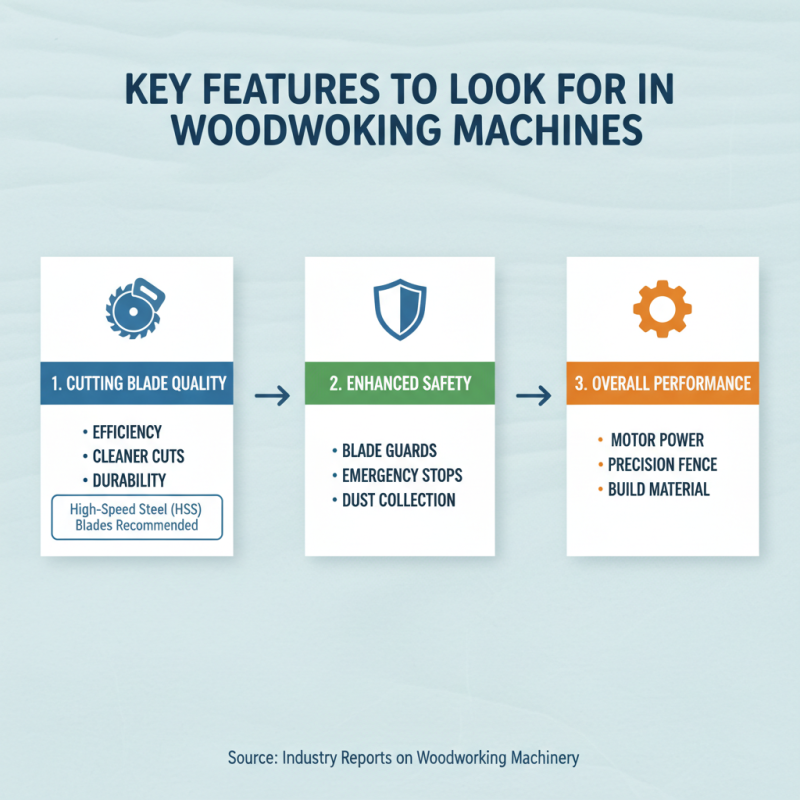
Key Features to Look for in Woodworking Machines
When shopping for woodworking machines, buyers should focus on key features that enhance performance and safety. For instance, the quality of the cutting blade significantly impacts the machine's efficiency. Industry reports indicate that high-speed steel blades last longer and provide cleaner cuts compared to basic options. This is crucial for both amateur and professional woodworkers.
Durability is another element to consider. Machines made from high-quality materials tend to withstand rigorous use. A study found that machines with steel frames can last over 10 years with proper maintenance. Regular checks can help identify wear and areas that need improvement, prolonging the lifespan of equipment.
**Tip:** Prioritize machines with robust customer support and accessible replacement parts. This ensures you can maintain your tools effectively.
Ease of use is essential as well. Features like adjustable settings and user-friendly interfaces make a big difference for novices. Reports show that beginners tend to excel when machinery is intuitive and straightforward. Consider taking the time to review user feedback to identify potentially problematic aspects of a machine. This helps in making well-informed decisions.
Top 10 Recommended Woodworking Machines: A Detailed Review
When considering woodworking machines, it's vital to explore options like the
Woodworking Cnc.
This technology combines precision with efficiency.
According to recent industry reports, the woodworking CNC market is projected to grow by 8% annually over the next five years.
This growth indicates a shift towards automation and advanced manufacturing techniques.
Cutting machines are critical for various projects. They ensure clean edges and smooth cuts, essential for professional craftsmanship.
Many users, however, express dissatisfaction due to the learning curve associated with CNC operations.
While these machines deliver superior results, mastering the software can be challenging for beginners.
Adapting to new technology often requires time and patience.
Planers represent another key machine in woodworking. These devices enhance the consistency of wood thickness,
an essential factor for quality work. However, some reports indicate that planers can struggle with harder woods,
leading to potential frustration. Users frequently need to adjust settings for optimal performance,
reminding us that every machine has its limitations.
Balancing ease of use with machine capabilities
is often a point of reflection for woodworkers.
Buying Tips for Global Buyers in the Woodworking Industry
When selecting woodworking machines, global buyers should consider several key factors. It's important to evaluate the machine's durability and performance. A reliable machine can make a significant difference in the quality of your projects, especially when crafting intricate
Woodworking Doors.
Take time to read user reviews and seek recommendations from trusted sources.
Additionally, consider the technical support and warranty offered by suppliers. A strong support system can be invaluable if issues arise during operation. Examine the machine's specifications to ensure it meets your specific needs. Different machines excel in various tasks, whether it’s shaping wood or precision cutting.
Buyers should also reflect on their budget. Investing in a quality machine is crucial, but spending too much can strain resources. Create a list of must-have features and be open to compromise. Remember, not every machine will be perfect, and finding the right balance can be a challenge. Ultimately, the aim is to enhance your woodworking experience and produce exceptional items like woodworking doors.
Maintenance and Safety Considerations for Woodworking Machines
Proper maintenance of woodworking machines is crucial for safety and efficiency. Regularly check blade sharpness and alignment. Dull blades can lead to kickbacks and inaccurate cuts. Clean machines after each use to prevent wood dust buildup, which can be a fire hazard. This is often overlooked but is essential for safe operation.
Safety gear is as important as machine maintenance. Always wear eye protection and gloves. Hearing protection is vital when operating loud machinery. Ensure your workspace is clutter-free to avoid accidents. Inspect cords and plugs regularly for wear. Any signs of damage should be addressed immediately.
It's also important to train operators in safe practices. Many accidents stem from lack of knowledge. Familiarize yourself with each machine's manual. Understanding the function and features decreases the risk of misuse. Reflect on your experiences and learn from them. Even minor oversights can lead to serious consequences in the shop.
Emerging Trends in Woodworking Technology and Innovation
Emerging trends in woodworking technology are reshaping the industry. According to a recent report from the Woodworking Machinery Manufacturers of America, automation and robotics are becoming integral in modern woodworking processes. These technologies enhance precision, reduce waste, and improve efficiency. Furthermore, the rise of smart machines integrated with IoT technology allows for real-time feedback and adjustments, a shift that can lead to significant cost savings.
Another important trend is sustainability. The demand for eco-friendly practices is shifting how machines are designed and operated. Many manufacturers now focus on energy-efficient machines that minimize environmental impact. For instance, industry data indicates that 65% of buyers prioritize energy efficiency in their purchasing decisions. This focus not only fulfills consumer expectations but also aligns with regulatory standards.
Tip: Invest in machines that offer digital capabilities. Automation can enhance productivity and lower labor costs.
Additionally, a notable shift towards user-friendly interfaces is emerging. Modern woodworking machines are designed for operators of varying skill levels. Enhanced usability encourages more people to enter the field. Despite these advancements, the complexity of integrating new technologies poses challenges. Industry professionals need ongoing education to fully utilize these innovative tools.
Tip: Consider training programs to bridge the skills gap in your workforce. Staying informed is essential for maximizing technology benefits.
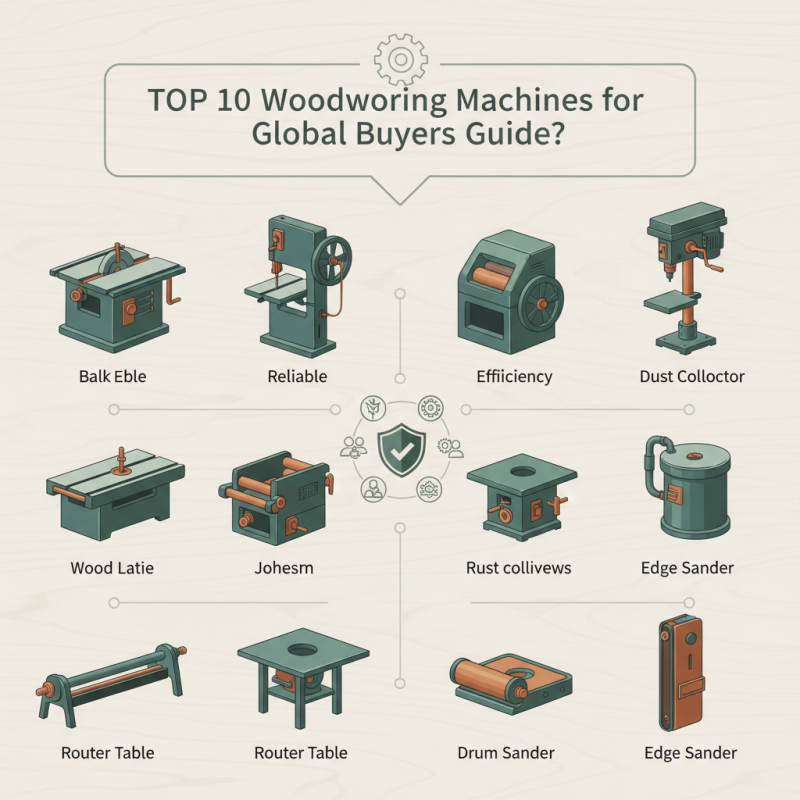
Top 10 Woodworking Machines for Global Buyers Guide
| Machine Type |
Application |
Power (HP) |
Cutting Capacity (inches) |
Weight (lbs) |
| Table Saw |
Precision Cutting |
3-5 |
30 |
250 |
| Band Saw |
Curved Cuts |
2-3 |
12 |
200 |
| Drill Press |
Boring Holes |
1-2 |
5 |
150 |
| Router |
Edge Finishing |
1-3 |
6 |
50 |
| Planer |
Thicknessing Wood |
3-5 |
12 |
300 |
| Jointer |
Flattening Surfaces |
3-4 |
8 |
250 |
| Sander |
Surface Smoothing |
1-2 |
12 |
100 |
| CNC Router |
Automated Cutting |
3-10 |
48 |
600 |
| Dust Collector |
Dust Management |
2-5 |
N/A |
200 |
| Bandsaw Mill |
Lumber Processing |
10-20 |
24 |
1500 |
FAQS
: Focus on features that enhance performance and safety, like cutting blade quality.
Durability is crucial. Machines made from high-quality materials can last over 10 years with maintenance.
Prioritize machines with good customer support and easy access to replacement parts.
User-friendly interfaces can significantly help novices in mastering the equipment.
Beginners often struggle with the software, as the learning curve can be steep.
Planers help maintain consistent wood thickness, vital for achieving quality results.
Planers can struggle with harder woods, requiring frequent adjustments for optimal use.
Reviewing user feedback can highlight potential issues and guide better decision-making.
Balancing ease of use with machine capabilities often requires careful consideration.
High-speed steel blades last longer and offer cleaner cuts, crucial for effective woodworking.
Conclusion
This article provides a comprehensive guide for global buyers interested in woodworking machines, highlighting their significance in modern woodworking processes. It begins with an overview of various types of woodworking machines, categorizing them based on functionality and purpose. The discussion extends to the key features buyers should consider, such as durability, precision, and ease of use.
The article then reviews the top ten woodworking machines, offering detailed insights into their capabilities and applications. Additionally, it presents essential buying tips tailored for international customers, ensuring informed purchasing decisions. The importance of maintenance and safety is also covered, emphasizing best practices to enhance machine longevity and user safety. Lastly, the article explores emerging trends in woodworking technology, showcasing innovations that are shaping the future of the industry. Overall, this guide serves as a valuable resource for those looking to invest in woodworking machines, providing essential knowledge for successful woodworking ventures.


 +86-18020396629

 CONTACT NUMBER