


 +86-18020396629



Forging the Future: Machinery Makers Pivot as High-End Home Furnishing Enters Era of Chain Optimization at Nanxun Summit
2026-04-17
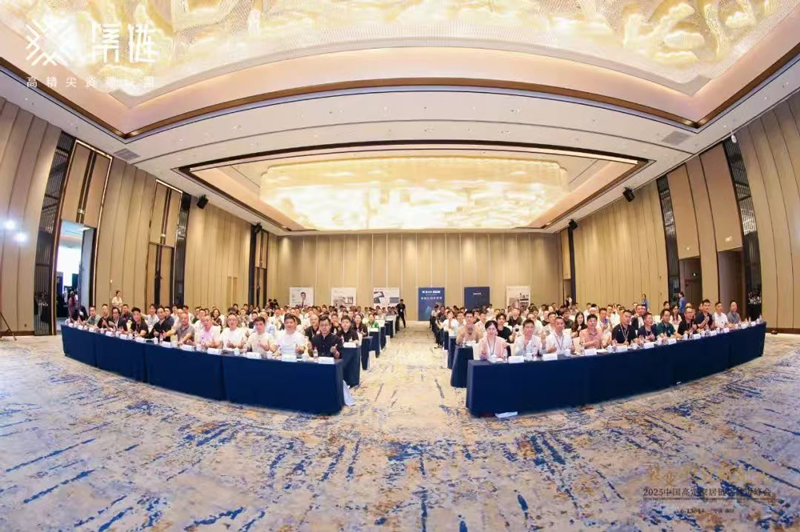

NANXUN, China – June 14, 2025 – Against a backdrop of profound structural shifts within China's high-end home furnishing sector, the 2025 China High-End Home Furnishing Chain Optimization & Collaborative Advancement Summit concluded in Nanxun yesterday. A central theme emerged: the critical role of upstream equipment manufacturers, particularly in wood door automation, in enabling the industry-wide "chain optimization and collaborative advancement" necessary for sustainable growth and value creation.
The summit, gathering leading brands, designers, manufacturers, and technology providers, dissected the ongoing "structural fission". This includes intensified demand for hyper-customization, smaller batch production, faster delivery times, stringent sustainability requirements, and seamless digital integration – pressures cascading down the entire supply chain.
Machinery: The Engine of Chain Optimization
For wood door automation equipment designers and producers, the message was clear: they are no longer mere suppliers, but pivotal enablers of the chain's evolution. The summit emphasized several strategic pathways for these manufacturers to elevate industry value:
1. Embracing Flexibility & Intelligence
Equipment must transcend standard automation. Summit speakers stressed the need for highly flexible, reconfigurable production lines powered by AI and IoT. "Smart machinery that can handle complex, small-batch orders with minimal changeover time is no longer optional; it's the bedrock of high-end responsiveness."
2. Data as the New Lubricant
Machinery equipped with advanced sensors generating real-time production data (yield rates, material usage, machine health) becomes invaluable. Sharing anonymized insights upstream and downstream facilitates predictive planning, reduces waste, and optimizes the entire chain's flow.
3. Seamless Digital Integration
Equipment must seamlessly plug into the broader digital ecosystem – connecting with CAD/CAM design software, ERP/MES systems, and even client management platforms. This breaks down information silos, enabling true "chain transparency" and synchronized operations.
4. Co-Creation with Downstream Partners
Proactive collaboration is essential. Equipment designers need deep understanding of evolving finishing techniques, material innovations, and design complexities to build machines that meet future needs, not just current specs.
5. Sustainability Built-In
Automation must contribute to sustainability. This means designing machinery for minimal energy consumption, reduced material waste through precision processing, and compatibility with recycled or alternative materials.
Collaborative Advancement: The Path Forward
The Nanxun summit underscored that "Chain Optimization and Collaborative Advancement" is not a solo endeavor. Wood door automation manufacturers are urged to:
1. Act as Connectors
Facilitate knowledge exchange between material scientists, designers, and manufacturers to solve shared challenges.
2. Develop Open Standards
Advocate for interoperability standards in machinery software and data outputs to ease integration pains for downstream users.
3. Invest in Partnership
Engage in joint R&D initiatives with furniture makers to develop next-generation, application-specific automation solutions.
Conclusion: The structural transformation within China's high-end home furnishing sector presents both a challenge and an immense opportunity. As highlighted at the Nanxun summit, wood door automation equipment manufacturers stand at a crucial inflection point. By evolving from component suppliers to strategic partners driving flexibility, intelligence, data integration, and sustainability, they become indispensable engines of "chain optimization and collaborative advancement." Their success in embracing this role will directly fuel the enhanced efficiency, innovation, and overall value creation defining the future of premium Chinese home furnishing. The path forged in Nanxun points towards a more integrated, intelligent, and resilient high-end ecosystem.