

 +86-18020396629

Leave Your Message
-
CONTACT NUMBER
-
 CONTACT NUMBER
-

High-precision machining centers engineered for large-scale hospitality furniture manufacturing
A CNC nesting machine is an automated flat-bed machining center that optimizes the cutting layout of multiple parts across a single sheet of material — wood, MDF, plywood, or composite panels — before routing, drilling, and profiling them in one continuous pass. The term "nesting" refers to the software-driven process of arranging component shapes to minimize waste and maximize yield from every board.
In the context of hotel construction and fit-out, this capability is transformative. A full-service hotel project typically demands thousands of identical or near-identical components: guest room doors, wardrobes, headboard panels, bathroom vanity cabinets, corridor cladding, front-desk counters, and custom millwork. Managing this volume manually or with conventional saws leads to inconsistency, material waste, and timeline overruns.
CNC nesting machines solve all three problems simultaneously — making them the de facto standard for hotel interior manufacturing at scale.
The global hotel construction boom is driving unprecedented demand for intelligent woodworking automation
The hotel industry's post-pandemic recovery — especially in the luxury, extended-stay, and boutique segments — has generated a wave of new-build and renovation projects. Each project requires consistent, high-volume interior components, making CNC nesting technology not just useful but essential for competitive manufacturers supplying this sector.
Modern CNC nesting machines are no longer standalone tools. Leading facilities integrate them with MES (Manufacturing Execution Systems), ERP platforms, and automated labeling/sorting conveyors. This end-to-end digitization allows hotel furniture plants to manage order-to-shipment cycles with real-time visibility and near-zero manual error rates.
China, Southeast Asia, and the Gulf Cooperation Council (GCC) states are constructing hotels at the fastest rates globally. Chinese manufacturers like CAT Shanghai — with deep roots in Japanese precision engineering — are supplying CNC nesting lines to factories in Vietnam, Malaysia, Saudi Arabia, and the UAE to meet this regional demand for high-quality, cost-efficient hotel interiors.
Every guest room requires a precisely engineered door — often with specific acoustic ratings, fire classifications, and custom veneer finishes. CNC nesting machines batch-process door blanks with four-sided sawing, lock mortising, hinge routing, and edge profiling in a single automated workflow, ensuring dimensional consistency across hundreds or thousands of identical units.
Hotel FF&E (Furniture, Fixtures & Equipment) specifications often require custom wardrobes, nightstands, desks, and minibar units built to tight tolerances. CNC nesting software imports DXF/CAD files directly from interior designers, automatically nesting parts across sheet goods and outputting G-code ready for machining — compressing prototype-to-production lead times from weeks to days.
Corridors, lobbies, and feature walls in premium hotels demand decorative wood panels with routed profiles, inlaid patterns, or three-dimensional relief work. CNC nesting centers execute complex multi-axis routing paths on large-format panels, delivering artistic results at industrial volumes — impossible to replicate manually at the required scale.
Hotel bathrooms integrate wooden cabinetry, mirror frames, and countertop supports that must withstand high-humidity environments. Precision-cut components with tight joinery tolerances prevent warping and structural failures over time. CNC nesting machines produce these parts with micron-level accuracy, supporting modular assembly lines that install up to 30+ bathroom sets per day on large hotel projects.
The front desk, concierge counter, restaurant partitions, and bar installations define a hotel's brand identity. These bespoke millwork items require complex geometries, curved profiles, and mixed-material assemblies. CNC nesting machines handle the structural wood components with precision, enabling master craftsmen to focus exclusively on finishing and assembly rather than rough cutting.
An emerging trend in budget and midscale hotel construction is the "modular room" concept — pre-fabricated room assemblies built off-site and craned into position. CNC nesting machines are the backbone of these modular manufacturing facilities, cutting all interior components for walls, ceilings, floors, and furniture from engineered wood panels with zero measurement error between units.
| Performance Dimension | Conventional Woodworking | CNC Nesting Machine | Improvement Factor |
|---|---|---|---|
| Material Utilization Rate | 60–70% | 88–96% | ↑ 25–35% less waste |
| Dimensional Accuracy | ±0.5–1.0mm | ±0.01mm | ↑ 50× more precise |
| Daily Door Output (3 operators) | 80–120 units | 600–680 units | ↑ 5–8× throughput |
| Design-to-Machine Time | 1–3 days (manual templates) | Minutes (QR code / DXF import) | ↑ Near-instant job setup |
| Labor Requirement per Shift | 8–12 operators | 2–4 operators | ↓ 60–70% labor cost |
| Repeatability Across Batches | Variable — operator-dependent | 100% consistent — parametric NC | Zero tolerance variance |
Machine learning algorithms are replacing rule-based nesting engines. AI-driven systems analyze historical cutting data to continuously refine part layouts, achieving material yield rates above 96% — a direct cost saving of tens of thousands of dollars per large hotel furniture contract. CAT's proprietary PNC intelligent control system is already integrating these capabilities into its latest platform generation.
Building Information Modeling (BIM) is now standard in hotel construction project management. The next frontier is direct BIM-to-CNC integration — extracting component dimensions from Revit or ArchiCAD models and feeding them automatically into nesting software, eliminating manual re-entry and dramatically reducing errors between design intent and manufactured parts.
Labor shortages in manufacturing are accelerating the adoption of collaborative robots (cobots) for automated panel loading, finished-part unloading, and sorting by room number or installation zone. CNC nesting machines equipped with integrated robotic arms and conveyor systems can run lights-out overnight shifts — a critical advantage for factories managing tight hotel opening deadlines.
The hotel industry's ESG commitments are driving demand for certified sustainable timber, recycled-content MDF, and low-VOC composite panels. Modern CNC nesting machines handle these engineered materials with the same precision as virgin wood, while their superior nesting efficiency directly supports LEED and BREEAM certification targets by minimizing construction waste at the source.
IoT sensors embedded in CNC nesting machines now stream spindle load, tool wear, feed rate, and vacuum pressure data to cloud dashboards accessible from any device. Predictive maintenance algorithms flag imminent component failures before unplanned downtime occurs — a major operational benefit when machine stoppages directly threaten hotel opening schedules worth millions of dollars in pre-booked revenue.
Boutique and lifestyle hotel brands are differentiating through highly individualized interior design — with each room potentially featuring a unique layout or finish. CNC nesting machines, unlike any other manufacturing technology, can switch between completely different part programs between sheets with zero retooling time, making genuine mass customization economically viable for the first time in hospitality FF&E manufacturing.
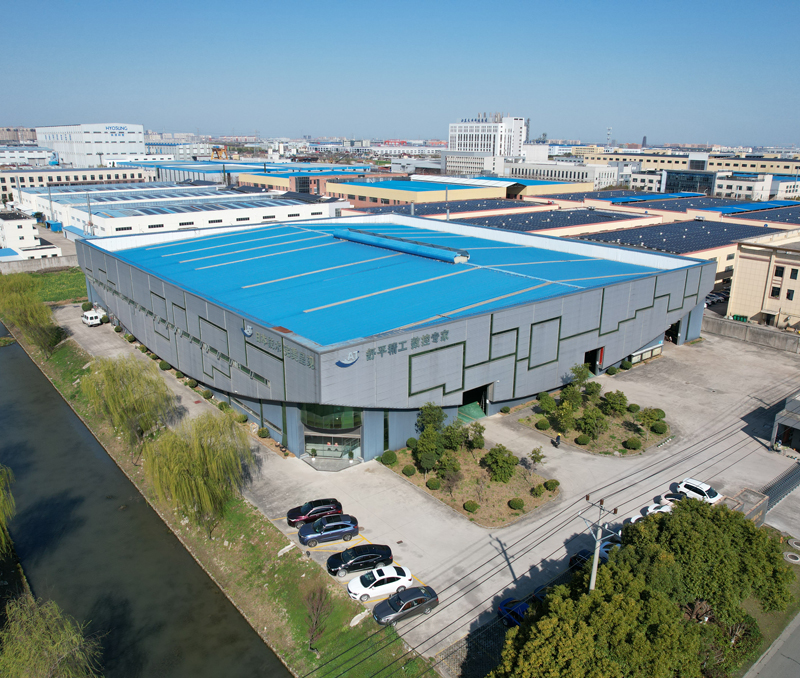
Shanghai Shuping Precision Machinery Co., Ltd. is a well-established Sino-Japanese joint venture. Its core manufacturing base is Shuping Precision Machinery (Nantong) Co., Ltd., which commenced full-scale production in 2017 and occupies a total floor area exceeding 13,000 square meters. Since its establishment in 1995, the company has consistently focused on the R&D, production, sales, and service of CNC woodworking machinery, dedicated to providing the global woodworking industry with intelligent solutions that are "faster, more precise, more accurate, and more economical."
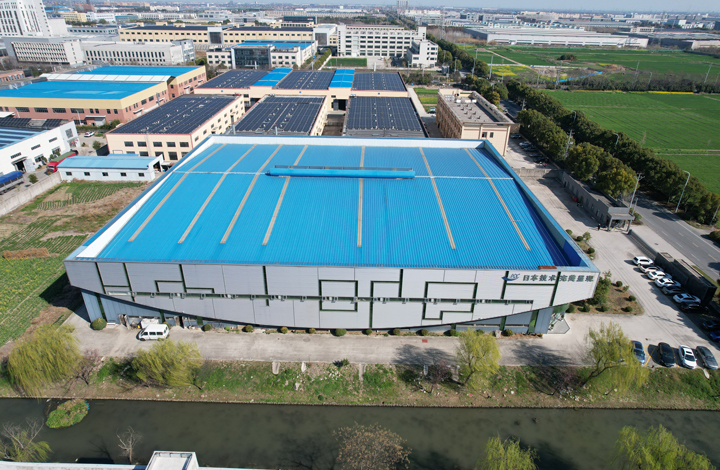
Welcome To Learn About Our Company
Our technological heritage originates from Japan. Over a fifteen-year period, the company provided OEM manufacturing services for renowned Japanese enterprises, gaining profound expertise in precision machining techniques originating from Matsuhama, Japan in the 1970s. Building upon this foundation, we established our proprietary brand CAT Shanghai in 2010 and simultaneously founded the CAT JAPAN R&D Center in Japan, ensuring our core technologies remain at the forefront of global innovation.
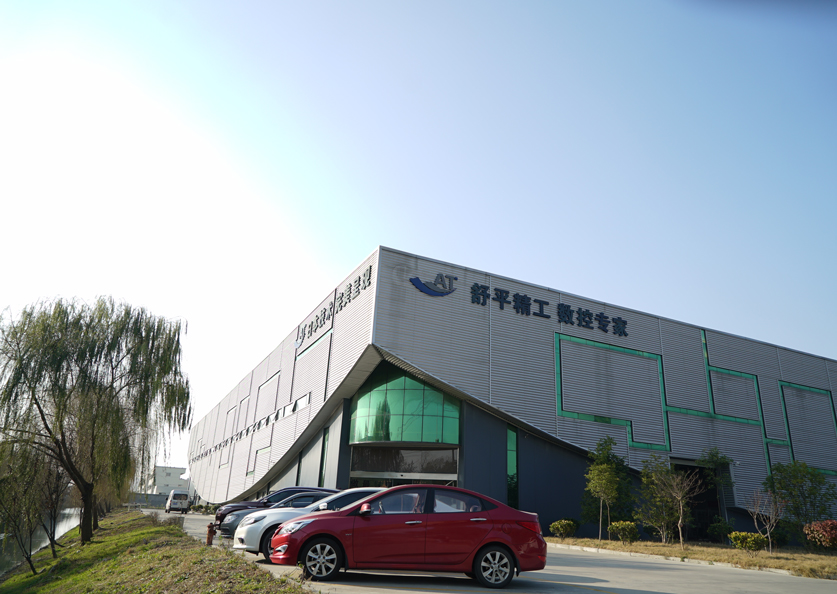
In 2017, the modern production base in Nantong, located within the Jiangsu Hai'an Economic and Technological Development Zone, officially commenced operations, marking the company's entry into a new phase of large-scale, intelligent development. Leveraging this advanced manufacturing platform, we assembled an elite technical team comprising experts in electrical engineering, software, design, and process technology.
We have accumulated over 52 nationally accepted and authorized patents, comprehensively covering the entire spectrum of wood door and panel furniture processing machinery. Our independently developed PNC intelligent control system enables direct QR code scanning and automatic path optimization, transforming complex machining into simple, efficient operations.
It is precisely this relentless pursuit of technology that has earned Shuping Precision Engineering widespread market recognition. Our production lines achieve exceptional efficiency — 680 wooden doors per day with a three-person shift — alongside 0.01mm-level machining precision, significantly boosting clients' production capacity while reducing labor costs. Today, hundreds of industry leaders — including Jiangshan Oppein, TATA Wooden Doors, Sofia Home Furnishings, Kendiya Wooden Doors, and Country Garden Modern Home Furnishings — have established long-term partnerships with Shuping Precision Machinery, with our products gaining continuous acclaim within the sector.
Talent is the fundamental driving force behind corporate development. We place high importance on human resource development and cultivation, establishing a scientific and systematic training and incentive mechanism to continuously stimulate team innovation. This lays a solid foundation for the company's sustained growth and internationalization strategy.



Explore our full lineup of precision machining centers designed for hospitality furniture manufacturing
Like the rising sun, Shuping Precision Engineering advances with vigorous vitality and steady strides, continuously enhancing its capabilities while flexibly adapting to market shifts. We look forward to partnering with global clients to jointly pioneer a new chapter in intelligent woodworking manufacturing through continuously innovative products and services.
Contact Us