

 +86-18020396629

Leave Your Message
-
CONTACT NUMBER
-
 CONTACT NUMBER
-

Precision-engineered machinery trusted by leading Hungarian furniture and door manufacturers
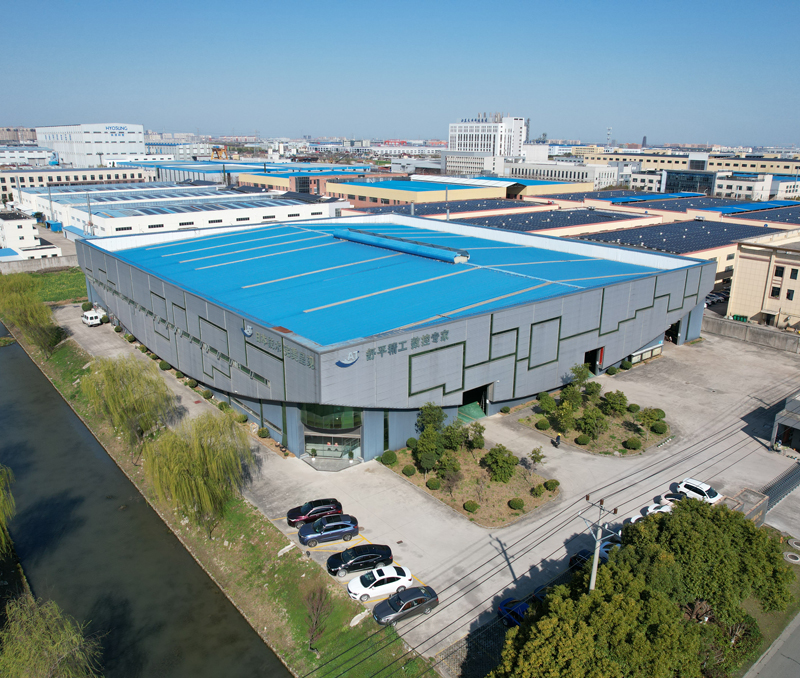
Shanghai Shuping Precision Machinery Co., Ltd. is a well-established Sino-Japanese joint venture. Its core manufacturing base is Shuping Precision Machinery (Nantong) Co., Ltd., which commenced full-scale production in 2017 and occupies a total floor area exceeding 13,000 square meters. Since its establishment in 1995, the company has consistently focused on the R&D, production, sales, and service of CNC woodworking machinery, dedicated to providing the global woodworking industry with intelligent solutions that are "faster, more precise, more accurate, and more economical."

Why Hungary is one of Central Europe's fastest-growing CNC woodworking markets
Hungary ranks among the top manufacturing destinations in Central Europe, with a well-developed industrial base in cities like Budapest, Győr, Debrecen, and Miskolc. The furniture and wood-processing sector contributes significantly to Hungary's export economy, creating strong demand for advanced CNC router equipment.
As an EU member state, Hungarian manufacturers must meet strict quality and efficiency standards. CNC routers with 0.01mm-level precision and intelligent automation directly help Hungarian woodworking factories achieve EU compliance, reduce waste, and maintain competitive pricing in the European market.
Hungary's central geographic position makes it an ideal logistics hub for distributing CNC machinery components across Austria, Slovakia, Romania, and beyond. Manufacturers based in Hungary benefit from lower shipping costs and rapid access to raw timber resources from the Carpathian Basin region.
The Hungarian residential construction boom and interior renovation trend have fueled rapid growth in door manufacturing and custom panel furniture. CNC door machining centers capable of processing 680+ wooden doors per day with minimal labor are in high demand among Budapest-area and countryside manufacturers.
Hungary boasts a strong tradition of engineering education and vocational training. The country's skilled machinists and CNC operators can quickly adapt to sophisticated PNC intelligent control systems, reducing the learning curve and maximizing the return on investment for CNC router installations.
Supported by EU structural funds and national digitalization programs, Hungarian factories are rapidly adopting smart manufacturing technologies. QR-code-based workflow control and automatic path optimization — core features of our PNC intelligent control system — align perfectly with Hungary's Industry 4.0 roadmap.
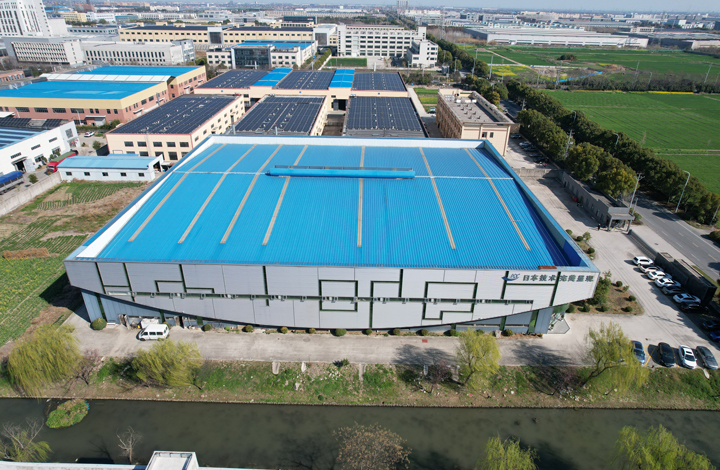
Our technological heritage originates from Japan. Over a fifteen-year period, the company provided OEM manufacturing services for renowned Japanese enterprises, gaining profound expertise in precision machining techniques originating from Matsuhama, Japan in the 1970s. Building upon this foundation, we established our proprietary brand CAT Shanghai in 2010 and simultaneously founded the CAT JAPAN R&D Center in Japan, ensuring our core technologies remain at the forefront of global innovation.
This deep-rooted Japanese engineering philosophy — emphasizing kaizen (continuous improvement), micron-level precision tolerances, and long-service-life mechanical design — directly benefits Hungarian manufacturers who require consistent, reliable output year after year.
Key forces shaping the future of woodworking automation across the region
Hungarian manufacturers are increasingly integrating CNC routers with MES (Manufacturing Execution Systems) and ERP platforms. IoT-enabled machines provide real-time monitoring of spindle load, tool wear, and production output, enabling predictive maintenance and minimizing unplanned downtime across multi-shift operations.
The Hungarian furniture market is shifting toward mass customization, driven by platforms like online interior design services and architect-specified joinery. CNC routers with rapid tooling change, QR-code job loading, and automatic nesting software are essential for profitably handling short-run, high-variety production orders.
As Hungarian wages rise toward Western European levels, manufacturers face mounting pressure to automate. A single CNC machining center capable of processing 680 wooden doors per day with a three-person shift directly replaces 12–15 manual operators, delivering a payback period typically under 24 months for mid-volume Hungarian door factories.
EU Green Deal obligations are pushing Hungarian woodworking firms to reduce material waste and energy consumption. Advanced CNC path optimization software minimizes offcuts by up to 18% compared to conventional sawing, while modern servo-driven spindles cut energy use per part. These improvements directly support Hungary's EU sustainability reporting requirements.
Hungarian furniture and door manufacturers export heavily to Germany, Austria, and the Netherlands — markets with exacting quality expectations. CNC routers delivering sub-0.1mm dimensional repeatability are no longer a luxury but a baseline requirement for Hungarian exporters competing with Italian and German domestic producers.
Hungarian buyers increasingly evaluate CNC suppliers on total cost of ownership, not just purchase price. Remote diagnostic capability — where engineers can access machine logs and update software parameters without on-site visits — is a decisive purchasing factor. Vendors offering comprehensive European spare-parts logistics and multilingual technical support hold a clear competitive advantage.
How Hungarian businesses put CNC router technology to work across industries
Large-scale door factories in the Budapest metropolitan area deploy four-sided sawing machining centers for continuous door leaf processing, achieving EU-standard dimensional tolerances for export to Austria and Germany.
Furniture clusters in Győr and Komárom-Esztergom County use CNC routers for panel cutting, edge profiling, and hole-pattern drilling, enabling rapid changeover between product lines for mass customization orders from European retailers.
Eastern Hungarian construction material suppliers rely on CNC machining centers to produce window frames, staircase components, and architectural woodwork to the precise specifications demanded by Hungarian building regulations and German export standards.
Budapest-based interior design studios and bespoke cabinetmakers use compact CNC routers to execute complex carving, decorative routing, and 3D relief work on hardwood and MDF panels, fulfilling high-end residential and hospitality project specifications.
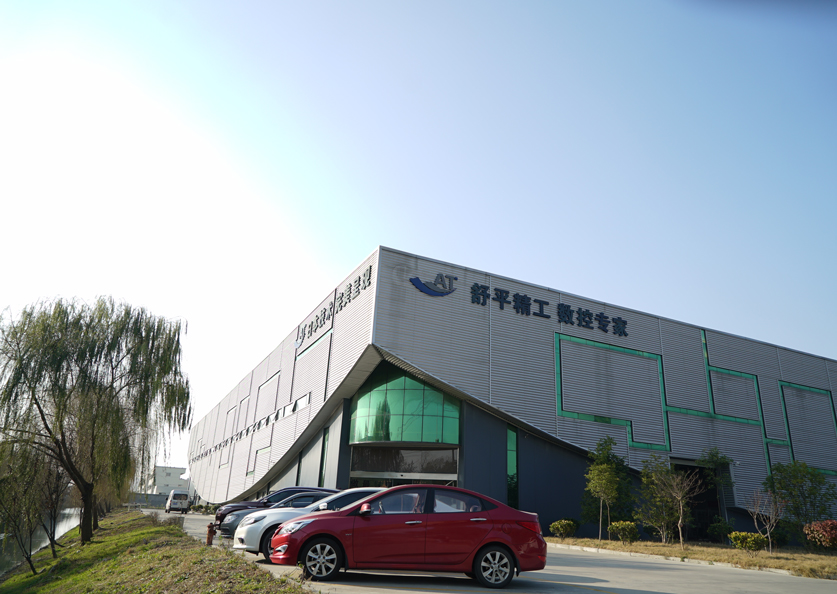
In 2017, the modern production base in Nantong, located within the Jiangsu Hai'an Economic and Technological Development Zone, officially commenced operations, marking the company's entry into a new phase of large-scale, intelligent development.
Leveraging this advanced manufacturing platform, we assembled an elite technical team comprising experts in electrical engineering, software, design, and process technology. We have accumulated over 52 nationally accepted and authorized patents, comprehensively covering the entire spectrum of wood door and panel furniture processing machinery.
Our independently developed PNC intelligent control system enables direct QR code scanning and automatic path optimization, transforming complex machining into simple, efficient operations — a critical advantage for Hungarian manufacturers scaling up their production capacity without adding headcount.
It is precisely this relentless pursuit of technology that has earned Shuping Precision Engineering widespread market recognition. Our production lines achieve exceptional efficiency — 680 wooden doors per day with a three-person shift — alongside 0.01mm-level machining precision, significantly boosting clients' production capacity while reducing labor costs.
Today, hundreds of industry leaders have established long-term partnerships with Shuping Precision Machinery, with our products gaining continuous acclaim within the sector.
Talent is the fundamental driving force behind corporate development. We place high importance on human resource development and cultivation, establishing a scientific and systematic training and incentive mechanism to continuously stimulate team innovation. This lays a solid foundation for the company's sustained growth and internationalization strategy.
Full-spectrum woodworking solutions — from door processing to panel furniture automation
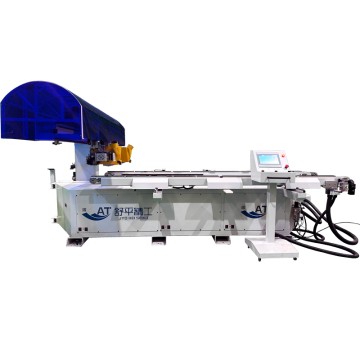
Like the rising sun, Shuping Precision Engineering advances with vigorous vitality and steady strides, continuously enhancing its capabilities while flexibly adapting to market shifts. We look forward to partnering with Hungarian and Central European clients to jointly pioneer a new chapter in intelligent woodworking manufacturing through continuously innovative products and services.