The U.S. Door Components Manufacturing Landscape
The United States door manufacturing industry represents a significant segment of the broader construction and building materials sector, with an estimated market value exceeding $30 billion annually. This industry encompasses residential, commercial, and industrial door production, with door components manufacturing serving as a critical foundation for the entire supply chain. From precision-engineered door frames and hardware to sophisticated locking mechanisms and finishing materials, the door components sector supports thousands of manufacturers, distributors, and contractors across all 50 states.
Major manufacturing hubs are concentrated in the Midwest and Southeast regions, particularly in states like Wisconsin, Pennsylvania, Ohio, North Carolina, and Georgia, where access to timber resources, skilled labor, and transportation infrastructure create ideal conditions for door component production. The industry has witnessed substantial transformation over the past decade, driven by technological advancement, changing consumer preferences, and evolving building codes that emphasize energy efficiency, security, and accessibility compliance.
Key Industry Drivers in the U.S. Market
Residential construction boom with over 1.4 million housing starts annually
Commercial renovation projects valued at $180+ billion per year
Increasing demand for energy-efficient and smart door systems
Stringent building codes requiring fire-rated and ADA-compliant components
Industry Trends Shaping Door Component Manufacturing
The door components manufacturing sector in the United States is experiencing several transformative trends that are reshaping production methodologies, supply chain dynamics, and market positioning. Automation and CNC technology adoption have emerged as the most significant trend, with manufacturers increasingly investing in computer-controlled machining centers to achieve precision tolerances of 0.01mm or better—a critical requirement for modern architectural specifications and high-performance door systems.
Sustainability has become a central focus, with manufacturers responding to both regulatory requirements and consumer demand for environmentally responsible products. This includes sourcing FSC-certified lumber, implementing zero-waste manufacturing processes, and developing door components that contribute to LEED certification for commercial buildings. The trend toward sustainable manufacturing is particularly pronounced in California, Oregon, and Washington, where state-level environmental regulations are among the nation's most stringent.
Customization capabilities have become a competitive differentiator, as architects, builders, and homeowners increasingly seek unique door designs that reflect specific aesthetic visions or functional requirements. Advanced CNC machining centers enable manufacturers to efficiently produce custom door frames, decorative panels, and specialized hardware mounting configurations without the traditional cost penalties associated with one-off production. This trend is especially evident in the luxury residential market and high-end commercial projects in metropolitan areas like New York, Los Angeles, Miami, and Chicago.
Smart home integration represents another emerging trend, with door component manufacturers developing products compatible with electronic access control systems, IoT sensors, and home automation platforms. This includes precision-machined mortises for smart locks, integrated wiring channels for electronic strike plates, and reinforced frames designed to support the additional weight of automated door operators.
$32B
Annual U.S. Door Market Value
45%
Growth in CNC Adoption Since 2020
680
Doors Per Day Production Capacity
Localized Applications Across U.S. Markets
Door component applications vary significantly across different U.S. regions, reflecting local architectural traditions, climate conditions, and building practices. In the Northeast, where historic preservation is paramount, manufacturers supply specialized components for restoration projects, including period-accurate moldings, traditional mortise-and-tenon joinery, and custom millwork that matches original specifications in brownstones, colonial homes, and historic commercial buildings throughout Boston, Philadelphia, and New York City.
The Southeast market emphasizes hurricane-resistant door systems, particularly in Florida, Louisiana, and coastal areas of the Carolinas. Manufacturers serving this region produce reinforced door frames, impact-resistant glass mounting systems, and heavy-duty hardware components designed to meet stringent wind load requirements and building codes specific to hurricane-prone zones. The demand for these specialized components has intensified following recent severe weather events, driving innovation in structural engineering and material science.
Western states, particularly California, Oregon, and Washington, represent the largest market for fire-rated door components due to wildfire risk and strict fire safety regulations. Manufacturers supply fire-rated frames, intumescent seals, and certified hardware assemblies for both residential and commercial applications. The California market alone accounts for approximately 15% of national door component demand, with particular emphasis on products that combine fire resistance with energy efficiency and seismic resilience.
The Midwest industrial corridor, stretching from Chicago through Detroit to Pittsburgh, drives demand for heavy-duty commercial and industrial door components. Manufacturing facilities, warehouses, and distribution centers in this region require robust door systems capable of withstanding high-frequency use, forklift traffic, and extreme temperature variations. Component manufacturers serving this market specialize in reinforced steel frames, industrial-grade hinges, and specialized sealing systems that maintain climate control in large facilities.
Texas and the Southwest present unique challenges related to extreme heat, UV exposure, and desert climate conditions. Door component manufacturers for this region focus on materials and finishes that resist thermal expansion, UV degradation, and dust infiltration. The booming construction markets in Austin, Dallas, Houston, and Phoenix have created substantial demand for both residential and commercial door components, with particular emphasis on energy efficiency to reduce cooling costs in the region's intense summer heat.
Advanced Manufacturing Technologies Transforming Production
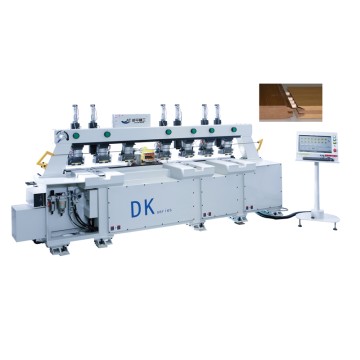
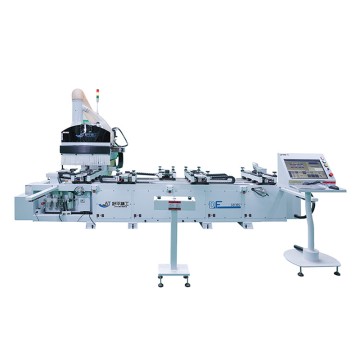
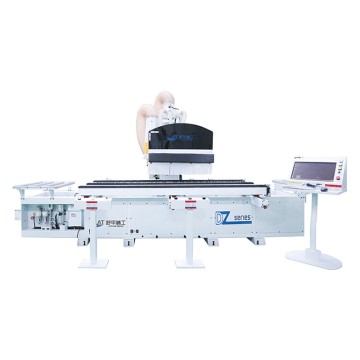
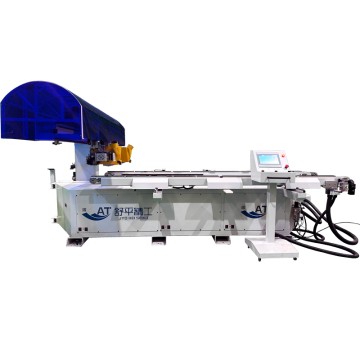
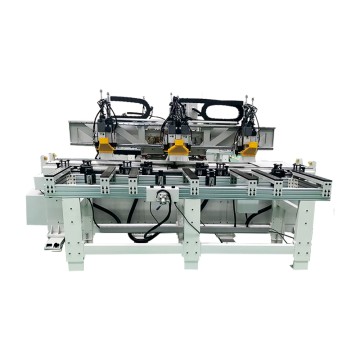
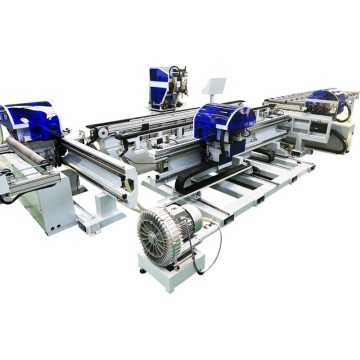
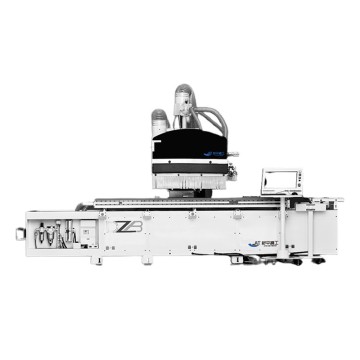
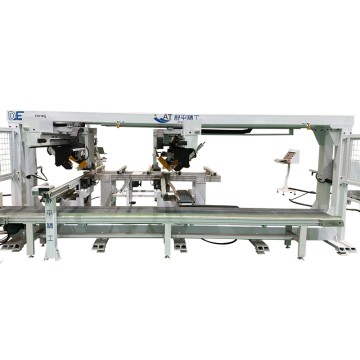
The integration of advanced CNC machining technology has revolutionized door component manufacturing in the United States, enabling precision, efficiency, and flexibility that were unattainable with traditional woodworking methods. Modern CNC door frame processing centers can execute complex operations including sawing, milling, drilling, and routing in a single setup, dramatically reducing production time while ensuring consistent quality across thousands of units.
These sophisticated machines utilize multi-axis control systems that can process door frames from multiple angles simultaneously, creating precise mortises for hinges, strike plates, and locking mechanisms with tolerances measured in hundredths of a millimeter. The PNC intelligent control systems employed by leading manufacturers enable operators to simply scan a QR code to load complete machining programs, eliminating manual programming and reducing the potential for human error.
Automated tool changing systems allow CNC machining centers to switch between different cutting tools in seconds, enabling continuous production without operator intervention. This capability is particularly valuable for manufacturers producing diverse product lines, as a single machine can efficiently process everything from standard residential door frames to custom commercial applications with specialized profiles and hardware configurations.
The economic impact of CNC technology adoption is substantial. Manufacturers report labor cost reductions of 40-60% compared to traditional methods, as a single operator can supervise multiple machines simultaneously. Production capacity increases of 200-300% are common, with some facilities achieving output of 680 doors per day with minimal staffing. These efficiency gains have enabled U.S. manufacturers to compete more effectively with imported products while maintaining superior quality and customization capabilities.
Supply Chain Dynamics and Material Sourcing
The U.S. door components industry relies on a complex supply chain that sources raw materials domestically and internationally. Hardwood lumber, primarily oak, maple, cherry, and walnut, comes predominantly from Appalachian forests and Midwest timber regions. Softwood species including pine, fir, and hemlock are sourced from Pacific Northwest forests and Southern pine plantations. The industry has faced significant supply chain challenges in recent years, including lumber price volatility, transportation bottlenecks, and skilled labor shortages.
Hardware components—hinges, locks, strike plates, and door closers—are sourced from both domestic manufacturers and international suppliers, primarily from Taiwan, China, and European countries
Engineered wood products, including LVL (Laminated Veneer Lumber), MDF, and finger-jointed lumber, have gained significant market share as manufacturers seek consistent, dimensionally stable materials that perform predictably in CNC machining operations. These materials also offer sustainability advantages, as they can be produced from smaller-diameter trees and wood residuals that would otherwise be wasted. Leading manufacturers serving the U.S. market have invested in partnerships with certified sustainable forestry operations to ensure a reliable, eco-compliant material supply.
The reshoring trend, accelerated by pandemic-era supply chain disruptions, has prompted many U.S. door component manufacturers to expand domestic production capacity and reduce reliance on imported semi-finished goods. This strategic shift has created increased demand for high-efficiency CNC machining equipment capable of delivering the precision and throughput required to compete with offshore production on both quality and cost metrics.


 +86-18020396629

 CONTACT NUMBER