

 +86-18020396629

Leave Your Message
-
CONTACT NUMBER
-
 CONTACT NUMBER
-

Advanced CNC door frame processing centers engineered for precision, speed, and industrial-scale efficiency in modern woodworking shops.
Understanding the commercial landscape driving demand for advanced woodworking shop machinery
The global market for frame making machines in woodworking shops has undergone a profound transformation over the past decade. Fueled by soaring demand in residential construction, interior design, and custom furniture manufacturing, CNC-powered frame processing centers have become indispensable assets for any shop aiming to compete at scale. Industry analysts estimate the global woodworking CNC machinery market surpassed USD 5.2 billion in 2024 and is projected to grow at a CAGR of approximately 6.8% through 2030, with frame-specific machinery accounting for a significant share of that growth.
In commercial woodworking environments, the primary driver of this demand is the shift from manual craftsmanship toward automated, repeatable precision. A traditional carpenter producing door frames by hand might complete 20–30 units per day with variable quality. A modern CNC frame making machine can process over 680 door frames per day with consistent 0.01mm-level accuracy—a paradigm shift that fundamentally redefines labor economics and production scheduling across the industry.
The industrial ecosystem surrounding frame making machines has also expanded rapidly. Beyond hardware, manufacturers now compete on software intelligence, after-sales support infrastructure, and integration with broader factory automation platforms such as MES (Manufacturing Execution Systems) and ERP connectivity. The most forward-thinking suppliers—like Shuping Precision Machinery—have established dedicated R&D centers specifically to advance proprietary control systems that streamline operator learning curves and maximize throughput.
For small-to-medium woodworking shops, the decision to invest in a dedicated frame making machine is increasingly straightforward. The business case rests on several converging factors:
A three-person shift operating a modern CNC frame processing center can replace a team of 12–15 skilled craftspeople, while producing higher output volumes with zero variation in dimensional accuracy. For shops operating in regions with rising labor costs, this ROI calculation compels rapid adoption.
Construction contractors and real estate developers increasingly demand just-in-time delivery of door frames and window frames. A shop equipped with high-speed CNC machinery can fulfill large-batch orders in days rather than weeks, unlocking access to lucrative B2B supply chain contracts.
Modular CNC systems allow shops to scale output by adding machine units or extending shift hours, without the complexity of recruiting and training large numbers of skilled woodworkers—a resource that is becoming increasingly scarce in many markets.
The technology embedded in modern frame making machines is evolving rapidly. Several key trends are reshaping what shops expect from their equipment suppliers:
Next-generation control systems use machine learning algorithms to automatically calculate optimal cutting paths based on workpiece geometry, material density, and tooling parameters—reducing cycle time and extending tool life simultaneously.
Proprietary systems like the PNC intelligent control platform enable operators to initiate complex machining sequences simply by scanning a QR code. This reduces operator training time from weeks to days and virtually eliminates setup errors on the shop floor.
Enterprise-grade frame processing centers now ship with open API connectivity, enabling seamless integration with factory management software for real-time production monitoring, predictive maintenance alerts, and digital quality records.
Modern multi-functional machining centers like the DZKQ platform process door leaves and door frames in a single workflow, eliminating inter-station transport and dramatically reducing floor space requirements—critical for urban woodworking shops.
Leading manufacturers are embedding IoT sensors and remote monitoring dashboards into their machines, allowing factory technicians to diagnose issues and push software updates without requiring on-site service visits—cutting downtime by up to 70%.
Environmental compliance is increasingly built into machine design, with dust collection integration, energy-efficient servo motors, and optimized cutting patterns that minimize material waste—aligning production economics with ESG commitments.
From residential custom shops to large-scale industrial manufacturing lines
Custom home builders and interior finishing contractors represent the largest addressable market for compact frame making machines. In this segment, equipment must handle a wide variety of wood species, profiles, and joint configurations—often switching between job types multiple times per day. CNC processing centers with quick-change tooling and parameterized profile libraries solve this challenge elegantly, enabling small shops to accept highly customized orders that were previously economically unfeasible.
For industrial wood door manufacturers producing 300–1,000+ doors per day, frame making machines are integrated into continuous production lines alongside door leaf machining centers, finishing systems, and automated packaging equipment. At this scale, the emphasis shifts toward maximum throughput, zero-fault tolerance in dimensional accuracy, and seamless data handoff between process stations. Shuping Precision Machinery's production line configurations—capable of producing 680 wooden doors per day with a three-person shift—serve exactly this high-volume industrial segment.
Beyond traditional door frames, CNC frame processing technology is being adopted by panel furniture manufacturers for cabinet frame joints, wardrobe skeleton assemblies, and modular shelving systems. The ability to program multiple joint types—mortise, tenon, finger joint, lock tongue—within a single machine platform makes modern frame making machines extremely versatile assets in diversified furniture manufacturing environments.
High-specification commercial interior projects—hotels, office buildings, retail environments—demand architectural millwork with exacting tolerances and consistent replication across hundreds or thousands of identical frame components. CNC frame making machines satisfy these requirements with digital precision that hand craftsmanship simply cannot match at project scale. Shops serving this segment gain a decisive competitive advantage by investing in machinery capable of holding ±0.01mm tolerances across entire production runs.
Many woodworking shops in Asia, Southeast Asia, and Eastern Europe operate as OEM suppliers to global furniture brands and construction companies. For these export-oriented manufacturers, frame making machine precision directly determines their ability to pass quality audits and maintain long-term supply relationships. Consistent dimensional accuracy across every frame component is non-negotiable when supplying global retail chains or premium real estate developers.
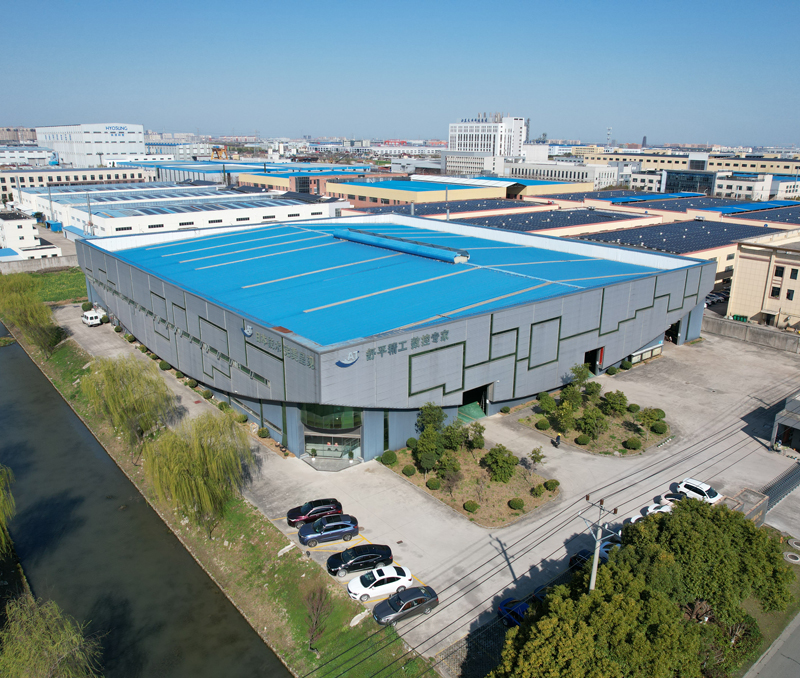
Shanghai Shuping Precision Machinery Co., Ltd. is a well-established Sino-Japanese joint venture. Its core manufacturing base is Shuping Precision Machinery (Nantong) Co., Ltd., which commenced full-scale production in 2017 and occupies a total floor area exceeding 13,000 square meters. Since its establishment in 1995, the company has consistently focused on the R&D, production, sales, and service of CNC woodworking machinery, dedicated to providing the global woodworking industry with intelligent solutions that are "faster, more precise, more accurate, and more economical."


Welcome To Learn About Our Company
Our technological heritage originates from Japan. Over a fifteen-year period, the company provided OEM manufacturing services for renowned Japanese enterprises, gaining profound expertise in precision machining techniques originating from Matsuhama, Japan in the 1970s. Building upon this foundation, we established our proprietary brand CAT Shanghai in 2010 and simultaneously founded the CAT JAPAN R&D Center in Japan, ensuring our core technologies remain at the forefront of global innovation.
This deep-rooted Japanese precision engineering philosophy is embedded in every frame making machine we design—from the tolerances specified in our mechanical drawings to the algorithms governing our PNC intelligent control system.
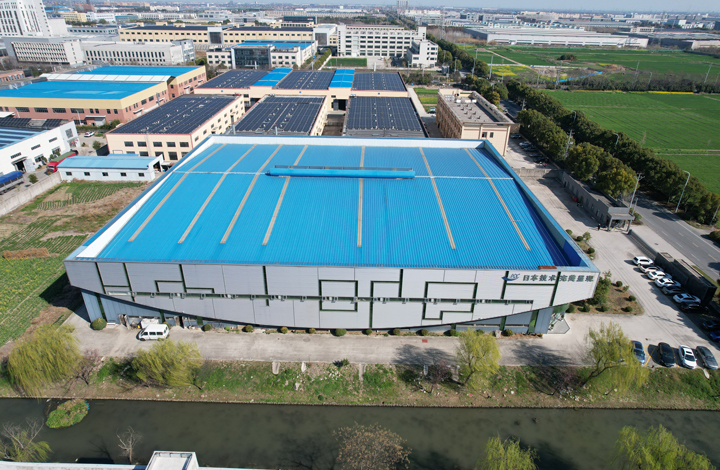
In 2017, the modern production base in Nantong, located within the Jiangsu Hai'an Economic and Technological Development Zone, officially commenced operations, marking the company's entry into a new phase of large-scale, intelligent development. Leveraging this advanced manufacturing platform, we assembled an elite technical team comprising experts in electrical engineering, software, design, and process technology.
We have accumulated over 52 nationally accepted and authorized patents, comprehensively covering the entire spectrum of wood door and panel furniture processing machinery. Our independently developed PNC intelligent control system enables direct QR code scanning and automatic path optimization, transforming complex machining into simple, efficient operations.
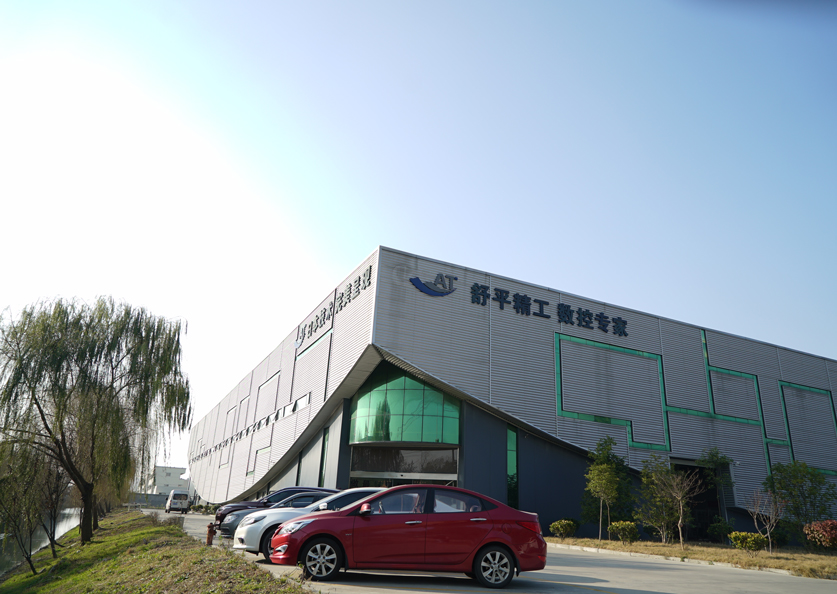
Trusted by hundreds of industry leaders worldwide
It is precisely this relentless pursuit of technology that has earned Shuping Precision Engineering widespread market recognition. Our production lines achieve exceptional efficiency—680 wooden doors per day with a three-person shift—alongside 0.01mm-level machining precision, significantly boosting clients' production capacity while reducing labor costs.
Talent is the fundamental driving force behind corporate development. We place high importance on human resource development and cultivation, establishing a scientific and systematic training and incentive mechanism to continuously stimulate team innovation. This lays a solid foundation for the company's sustained growth and internationalization strategy.
Explore our full lineup of CNC door frame processing solutions for woodworking shops of every scale
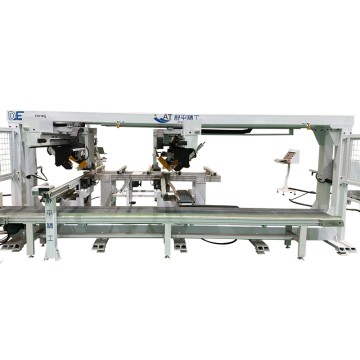
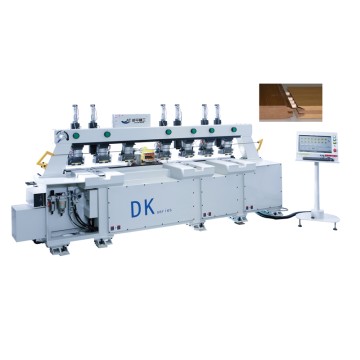
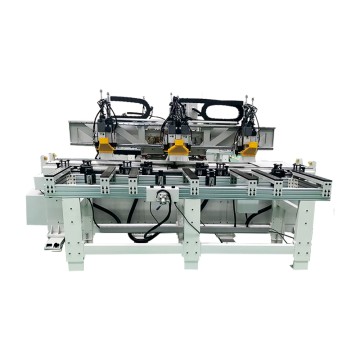
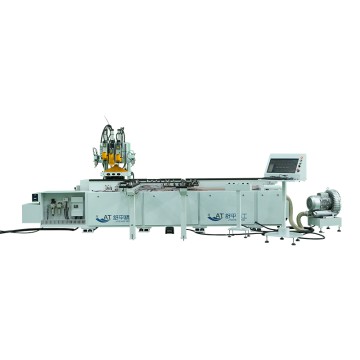
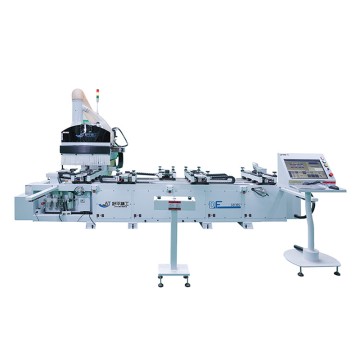
Like the rising sun, Shuping Precision Engineering advances with vigorous vitality and steady strides, continuously enhancing its capabilities while flexibly adapting to market shifts. We look forward to partnering with global clients to jointly pioneer a new chapter in intelligent woodworking manufacturing through continuously innovative products and services.
Contact Us