

 +86-18020396629

Leave Your Message
-
CONTACT NUMBER

-
 CONTACT NUMBER
-

Discover our flagship range of intelligent table saws engineered for high precision, seamless IoT integration, and unmatched operational efficiency in smart manufacturing environments.
Fully automated positioning with cloud-connected PNC control systems, optimizing cuts for customized furniture panels.
IoT EnabledEquipped with automated path optimization and real-time QR code scanning to minimize material waste and human error.
High PrecisionDesigned for continuous operation in smart factories, featuring heavy-duty construction and rapid automated feed rates.
Continuous ProductionA smart cutting cell integrated with robotic arms for precise angled cuts in mass-customized wooden door frames.
Robotic ReadyThe global woodworking and furniture manufacturing industries are undergoing a profound paradigm shift. Traditional manufacturing methods, characterized by manual measurements, physical blueprints, and isolated operations, are rapidly being replaced by interconnected, data-driven, and highly automated ecosystems. At the heart of this transformation is the evolution of the humble table saw into an intelligent, network-connected machining center.
In a modern smart factory, a table saw is no longer just a mechanical cutting tool; it is a critical cyber-physical node. Today's industrial table saws are equipped with advanced sensors, CNC controllers, IoT gateways, and automated material handling systems. These components enable the machinery to communicate seamlessly with Manufacturing Execution Systems (MES) and Enterprise Resource Planning (ERP) platforms. By bridging the gap between digital design software and physical cutting operations, smart table saws eliminate human transcription errors, reduce setup times to zero, and maximize material yield.
The commercial landscape of woodworking has shifted from mass production to "mass customization." Consumers now expect bespoke furniture, tailor-made wooden doors, and personalized cabinetry, all delivered within short lead times. For manufacturers, this presents a significant challenge: how to maintain high-throughput efficiency while processing unique, one-off designs.
Traditional manual table saws require operators to constantly adjust fences, calculate cutting angles, and manually load and unload panels. This process is slow, prone to errors, and heavily dependent on highly skilled labor—a resource that is increasingly scarce and expensive. In contrast, an intelligent table saw integrated into a smart factory environment receives its cutting instructions directly from a central database. As panels arrive at the machine, barcode or QR code scanners instantly retrieve the exact dimensions, nesting layout, and grain orientation requirements. The machine automatically configures its fences, blade height, and tilt angle in milliseconds, enabling continuous, non-stop production of customized parts.
The integration of Internet of Things (IoT) technologies has unlocked new levels of operational intelligence. Modern smart table saws are embedded with vibration sensors, thermal couplers, and power monitors that continuously track the health of the blade, motor, and linear guides. By analyzing these data streams, edge-computing systems or cloud-based AI algorithms can predict tool wear and identify potential mechanical failures before they cause costly unplanned downtime.
Furthermore, artificial intelligence is playing a pivotal role in optimizing cutting patterns. Advanced nesting algorithms analyze the production queue to arrange parts on a raw sheet of wood in a way that minimizes kerf waste. When paired with smart table saws featuring automatic alignment and robotic feeding, these systems achieve material utilization rates exceeding 95%. This not only reduces raw material costs but also aligns with global sustainability initiatives by minimizing wood waste.
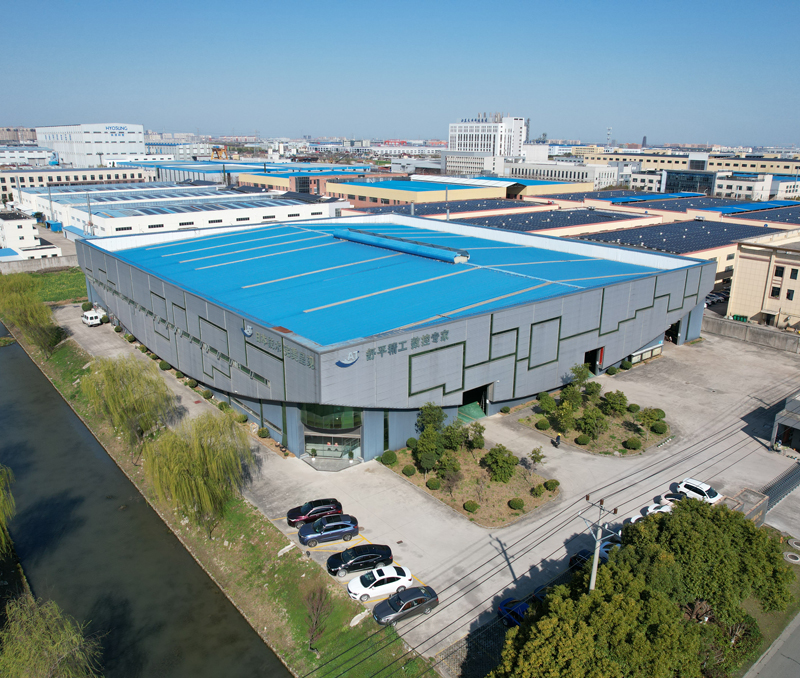
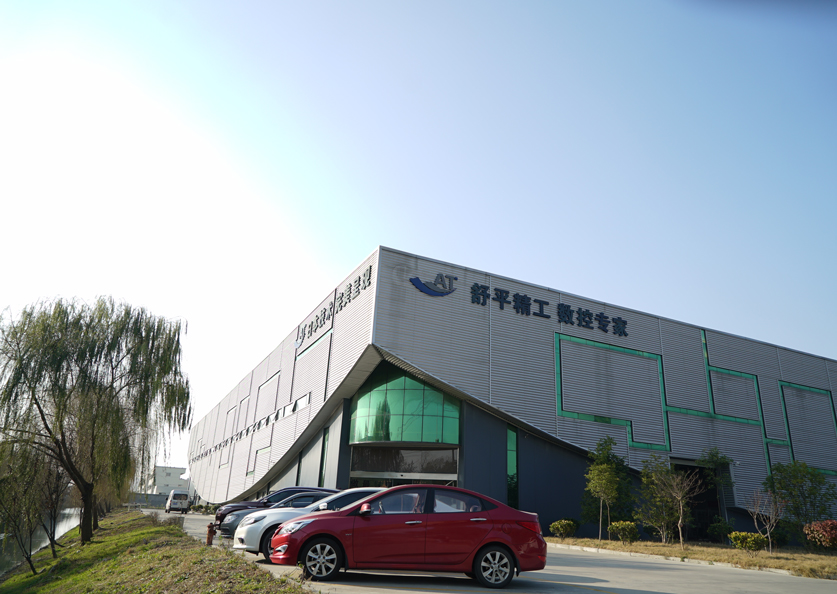
Shanghai Shuping Precision Machinery Co., Ltd. is a well-established Sino-Japanese joint venture. Its core manufacturing base is Shuping Precision Machinery (Nantong) Co., Ltd., which commenced full-scale production in 2017 and occupies a total floor area exceeding 13,000 square meters. Since its establishment in 1995, the company has consistently focused on the R&D, production, sales, and service of CNC woodworking machinery, dedicated to providing the global woodworking industry with intelligent solutions that are “faster, more precise, more accurate, and more economical.”


In the modern smart factory dedicated to panel furniture (such as kitchens, wardrobes, and office desks), the smart table saw acts as the gateway of the production line. Large raw panels are automatically fed into the machine via vacuum lifters. The CNC sliding table saw, guided by integrated nesting software, executes complex rip and crosscuts with extreme speed. Because the machine adjusts its settings dynamically for each unique piece, there is no need to batch process similar sizes, allowing factories to achieve true "Batch Size One" production.
This level of flexibility is crucial for high-end custom furniture brands. The ability to switch cut patterns instantly without stopping the machinery reduces lead times from weeks to days, giving manufacturers a major competitive edge in the marketplace.
Solid wood processing presents unique challenges due to natural variations in grain, knots, and moisture content. Intelligent table saws for smart factories utilize advanced vision systems to scan the surface of the timber before cutting. AI-driven software detects defects such as knots or cracks and automatically calculates the optimal cut path to avoid these flaws while maximizing the yield of usable wood.
This technology is widely applied in the production of high-end flooring, musical instruments, and architectural wood details, where material costs are exceptionally high and precision is paramount.
In specialized wood door manufacturing, speed and dimensional accuracy are critical. A smart table saw integrated into a door production line must handle heavy, multi-layered panels with ease. By utilizing automated loading conveyors, intelligent positioning fences, and synchronized dual-blade cutting systems, the smart table saw can trim all four edges of a door blank in a single pass.
This setup reduces labor requirements dramatically. Instead of a large team manually handling heavy doors, a fully automated cell requires only minimal supervision, ensuring safety and consistency while achieving high output rates.
The output of a smart table saw is rarely a finished product. In an integrated smart factory, cut pieces are automatically labeled with barcodes containing instructions for subsequent steps, such as edge banding, drilling, and assembly. Collaborative robots (cobots) or automated guided vehicles (AGVs) receive the cut panels directly from the saw's outfeed table, sorting them by destination or order number.
This seamless flow ensures that parts do not pile up or get lost between processing stations, optimizing the overall throughput of the entire manufacturing facility.
Our technological heritage originates from Japan. Over a fifteen-year period, the company provided OEM manufacturing services for renowned Japanese enterprises, gaining profound expertise in precision machining techniques originating from Matsuhama, Japan in the 1970s. Building upon this foundation, we established our proprietary brand CAT Shanghai in 2010 and simultaneously founded the CAT JAPAN R&D Center in Japan, ensuring our core technologies remain at the forefront of global innovation.

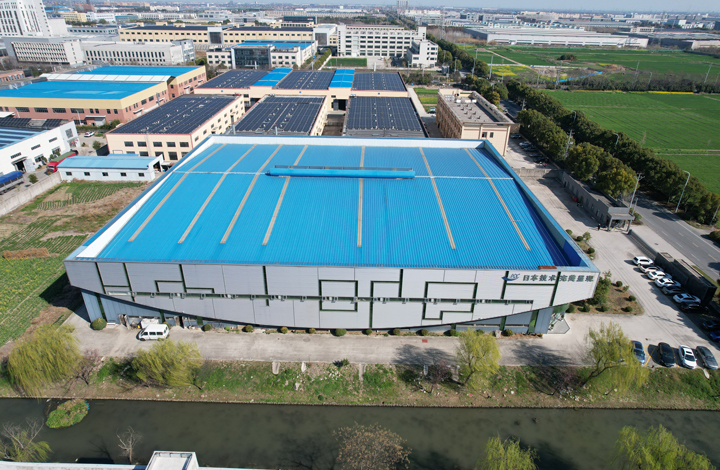
In 2017, the modern production base in Nantong, located within the Jiangsu Hai'an Economic and Technological Development Zone, officially commenced operations, marking the company's entry into a new phase of large-scale, intelligent development. Leveraging this advanced manufacturing platform, we assembled an elite technical team comprising experts in electrical engineering, software, design, and process technology.
We have accumulated over 52 nationally accepted and authorized patents, comprehensively covering the entire spectrum of wood door and panel furniture processing machinery. Our independently developed PNC intelligent control system enables direct QR code scanning and automatic path optimization, transforming complex machining into simple, efficient operations.
As technology continues to advance at a rapid pace, the next generation of industrial table saws will incorporate even more sophisticated features. Key trends shaping the future of smart woodworking machinery include:
Safety remains a paramount concern in manufacturing. Future table saws will feature active touch-sensing technologies capable of stopping the blade within milliseconds of contact with human skin, preventing severe injuries. Furthermore, optical sensors and light curtains will monitor the workspace, automatically slowing down or halting operations if an operator enters a restricted zone.
Modern smart factories place a heavy emphasis on reducing their carbon footprint. Next-generation table saws will utilize high-efficiency motors, regenerative braking systems that recover electrical energy, and optimized dust extraction systems that consume power only when the machine is actively cutting. These innovations help factories lower utility costs while meeting strict environmental standards.
Furthermore, cloud-based analytics will become increasingly collaborative. Manufacturers will be able to compare the performance metrics of machines across multiple factory locations, identifying bottlenecks and sharing optimized cut parameters globally. This level of connectivity ensures that lessons learned in one facility can immediately benefit the entire production network.
Explore our diverse range of smart factory table saws and sizing centers, designed to meet the demands of high-volume, high-precision industrial woodworking.
Engineered for continuous multi-shift operations, featuring a heavy steel frame and precise linear guide rails.
Heavy DutyReal-time telemetry and cloud integration for remote performance monitoring and predictive maintenance.
IoT IntegrationHigh-throughput processing of solid timber, optimized for integration into automated production lines.
High OutputAutomated angle adjustments and material feeding for fast, accurate joinery and frame production.
Joinery PrecisionCombined cutting and edge-banding preparation cell, minimizing handling and maximizing workflow efficiency.
Integrated CellFeatures high-speed defect optimization using intelligent cameras to maximize timber yield.
Defect OptimizationHigh-precision sizing and profiling of panels, integrated with automatic loading systems.
High PrecisionAdvanced safety technology that stops the blade instantly upon contact, protecting operators.
Safety FirstIt is precisely this relentless pursuit of technology that has earned Shuping Precision Engineering widespread market recognition. Our production lines achieve exceptional efficiency—680 wooden doors per day with a three-person shift—alongside 0.01mm-level machining precision, significantly boosting clients' production capacity while reducing labor costs. Today, hundreds of industry leaders—including Jiangshan Oppein, TATA Wooden Doors, Sofia Home Furnishings, Kendiya Wooden Doors, and Country Garden Modern Home Furnishings—have established long-term partnerships with Shuping Precision Machinery, with our products gaining continuous acclaim within the sector.
Talent is the fundamental driving force behind corporate development. We place high importance on human resource development and cultivation, establishing a scientific and systematic training and incentive mechanism to continuously stimulate team innovation. This lays a solid foundation for the company's sustained growth and internationalization strategy.
Like the rising sun, Shuping Precision Engineering advances with vigorous vitality and steady strides, continuously enhancing its capabilities while flexibly adapting to market shifts. We look forward to partnering with global clients to jointly pioneer a new chapter in intelligent woodworking manufacturing through continuously innovative products and services.