

 +86-18020396629

Leave Your Message
-
CONTACT NUMBER
-
 CONTACT NUMBER
-

High-precision, high-efficiency intelligent equipment engineered specifically for interior wood door slab production lines.
A wood door slab is the fundamental structural panel component of any interior door — the flat, pre-cut, and precisely machined wooden board that forms the door's visible face and structural core. Unlike a pre-hung door assembly or a door kit complete with frames and hardware, a door slab is the bare panel itself, ready to be custom-fitted into any interior opening. Its quality, surface finish, dimensional accuracy, and material composition directly determine the aesthetic impression, acoustic performance, and longevity of the entire interior environment.
In modern interior decoration — spanning residential apartments, boutique hotels, corporate offices, healthcare facilities, and high-end retail spaces — the wood door slab plays a far more prominent role than it once did. Architects, interior designers, and specifiers now treat door slabs as a key design element rather than a mere functional component, selecting grain patterns, veneer species, engineered compositions, and CNC-machined surface profiles as deliberately as they choose wall finishes or flooring materials.
💡 Key insight: The global interior door market is projected to surpass USD 150 billion by 2030, driven by urbanization, premium residential construction, and the accelerating demand for customized interior design solutions.
The wood door slab manufacturing sector has undergone a profound transformation over the past two decades. What was once a labor-intensive, craft-based trade has evolved into a precision-driven industrial process, powered by CNC machining centers, intelligent control systems, and high-throughput automated production lines. This evolution is particularly visible in the world's largest producing regions — China, Germany, Italy, and the United States — where leading manufacturers now operate factory floors that rival aerospace component shops in terms of automation density and dimensional precision.
Modern CNC-equipped door slab factories can produce hundreds of customized door panels per shift with minimal human intervention. Advanced processing centers achieve outputs of 680 wooden doors per day on a three-person shift, a benchmark that would have been unthinkable with conventional machinery. This level of productivity has fundamentally altered the economics of door manufacturing, enabling mass customization at near-mass-production cost.
The commercial market for wood door slabs now spans a broad spectrum: hollow-core economy panels for multi-family residential, solid-core acoustic slabs for office partitioning, engineered wood-veneer slabs for hospitality interiors, and high-density composite slabs rated for fire resistance and moisture exposure in healthcare and institutional applications. Each segment demands different machining tolerances, surface treatments, and material compositions, creating a continuous push for more flexible and precise manufacturing equipment.
Technology, sustainability, and design personalization are converging to define the next decade of the wood door slab industry.
Next-generation machining centers now incorporate intelligent control systems capable of QR code scanning for direct job loading and automatic toolpath optimization. Shuping's proprietary PNC intelligent control system transforms complex machining tasks into streamlined, error-resistant workflows — reducing setup time and enabling line workers with minimal training to achieve expert-level output consistency.
The shift toward FSC-certified timbers, low-VOC adhesives, and engineered wood composites (HDF, LVL, cross-laminated timber cores) is accelerating across all market tiers. CNC machining enables zero-waste nesting strategies that maximize yield from certified timber sheets, aligning production efficiency with environmental responsibility.
Digital design workflows now connect architect BIM models directly to CNC machine code, enabling one-off custom door slab profiles to be produced on the same line as standard runs. This mass-customization capability is transforming the supply relationship between manufacturers, specifiers, and end clients.
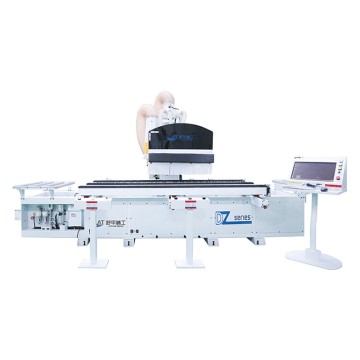
The trend toward consolidating sawing, milling, drilling, and hardware routing into a single multi-axis machining center reduces floor space requirements, minimizes inter-process handling damage, and compresses lead times. Products like the DZKQ Door Leaf & Door Frame Multi-Functional Machining Center exemplify this convergence, offering complete door slab processing in one integrated platform.
IoT-connected machining centers now transmit real-time performance data to cloud dashboards, enabling predictive maintenance, remote diagnostics, and production analytics. This connectivity is particularly valuable for multi-site door manufacturers who need centralized visibility across geographically distributed production lines.
Chinese manufacturers equipped with Japanese-heritage precision technology are increasingly competitive in export markets across Southeast Asia, the Middle East, Europe, and the Americas. The combination of advanced machinery, competitive pricing, and ISO-level quality assurance is reshaping global trade flows in interior door components.
In high-end residential projects — penthouses, villas, and premium apartment developments — wood door slabs are often the single most tactile element a resident interacts with daily. Designers specify walnut, white oak, ash, or ebony-veneered slabs with precision-routed panel profiles, integrated acoustic seals, and flush hardware pockets. The ability of modern CNC machining centers to hold tolerances within 0.01mm ensures that every slab in a multi-room residence is dimensionally identical, allowing consistent reveal gaps and hardware alignment throughout.
Boutique hotels represent one of the most demanding application environments for wood door slabs. Guest room doors must simultaneously deliver acoustic isolation (typically STC 32–45), fire resistance ratings, visual elegance, and the ability to withstand decades of daily use. Hotel operators specifying 200–500 identical doors for a single property require absolute dimensional consistency and surface uniformity that only industrial CNC processing can reliably deliver. Custom thermofoil wraps, metal inlays, and backlit panel grooves are increasingly specified to create signature brand-identity doorways.
The post-pandemic redesign of workplace environments has significantly increased demand for high-quality wood door slabs in office interiors. Hybrid work models have driven investment in private focus rooms, acoustic phone booths, and executive suites — all of which require solid-core door slabs with superior sound attenuation. Meanwhile, glazed wood door slabs incorporating frameless glass inserts allow visual connectivity while maintaining acoustic separation, a combination increasingly specified in collaborative workspace designs.
Healthcare environments impose uniquely stringent requirements on door slab materials and construction. Hospital corridors and clinical rooms specify slabs with high-pressure laminate (HPL) faces or thermally fused overlay (TFO) surfaces for antimicrobial resistance and ease of cleaning. Impact-resistance requirements in ward environments call for engineered composite cores that can absorb repeated trolley and equipment impacts without delamination or surface crazing. CNC-drilled hardware pockets with precise tolerances ensure smooth, hygienic auto-closer and continuous-hinge installations.
Experiential retail and premium F&B concepts increasingly use custom-profiled wood door slabs as brand storytelling elements. A restaurant entrance door with hand-scraped reclaimed oak veneers, CNC-routed brand logo panels, and custom-forged hardware communicates craftsmanship and quality before a guest is even seated. The ability to cost-effectively produce small batches of fully custom door slabs — enabled by flexible CNC machining centers — has made this level of bespoke detailing accessible to a much wider range of interior design projects.
🔎 Expert Perspective: The convergence of precision CNC machining, intelligent automation, and sustainable material science is enabling wood door slab manufacturers to meet the simultaneous demands of mass production scale, bespoke customization, and green building certification — a combination that was technically impossible just ten years ago.
The quality of a finished interior environment is only as good as the precision of its components. In wood door slab manufacturing, dimensional accuracy in the range of ±0.01mm — achievable with advanced CNC machining centers — delivers tangible end-user benefits: doors that close smoothly without sticking, consistent reveal gaps that satisfy the most demanding interior designers, hardware pockets that accept fittings without adjustment, and surfaces free of tear-out or chipping that would compromise premium finishes.
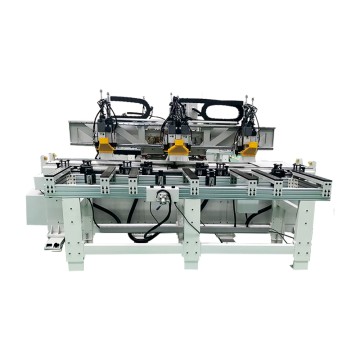
Four-sided sawing machining centers trim all four edges of a door slab in a single automated pass, ensuring perfect squareness and the dimensional accuracy required for flush-panel installations. Hardware hole and slot machining centers precisely position hinge mortises, lock-body pockets, and strike-plate recesses to tolerances that guarantee hardware alignment and eliminate site-fitting adjustments. Multi-functional machining centers that combine these operations reduce handling steps, minimize the risk of cumulative dimensional error, and accelerate throughput for high-volume production runs.
For manufacturers supplying premium interior decoration markets — where customer expectations are high and rework costs are significant — the investment in precision CNC machining centers directly translates into reduced defect rates, lower labor costs, faster delivery cycles, and the ability to confidently accept bespoke customization orders that generate higher margins.
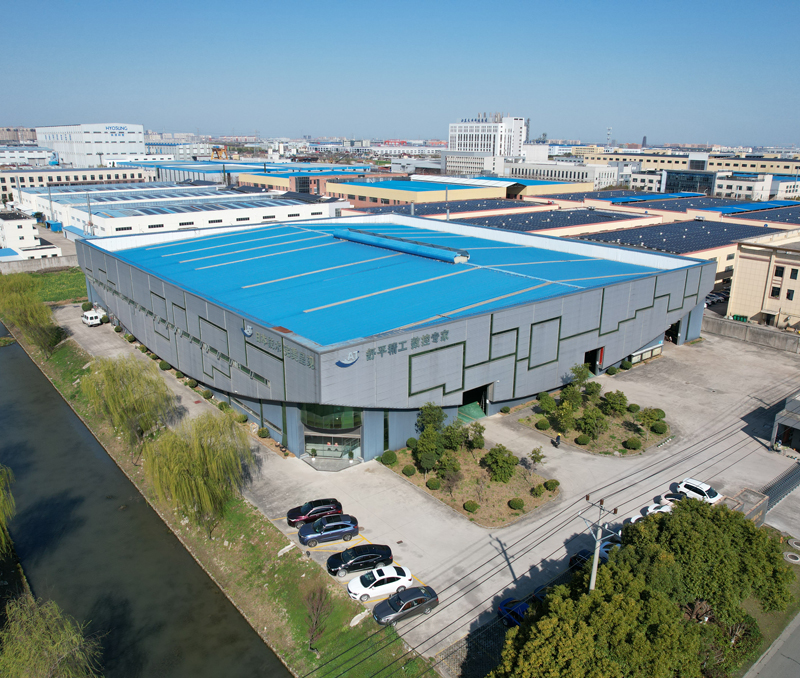
Shanghai Shuping Precision Machinery Co., Ltd. is a well-established Sino-Japanese joint venture. Its core manufacturing base is Shuping Precision Machinery (Nantong) Co., Ltd., which commenced full-scale production in 2017 and occupies a total floor area exceeding 13,000 square meters.
Since its establishment in 1995, the company has consistently focused on the R&D, production, sales, and service of CNC woodworking machinery, dedicated to providing the global woodworking industry with intelligent solutions that are "faster, more precise, more accurate, and more economical."



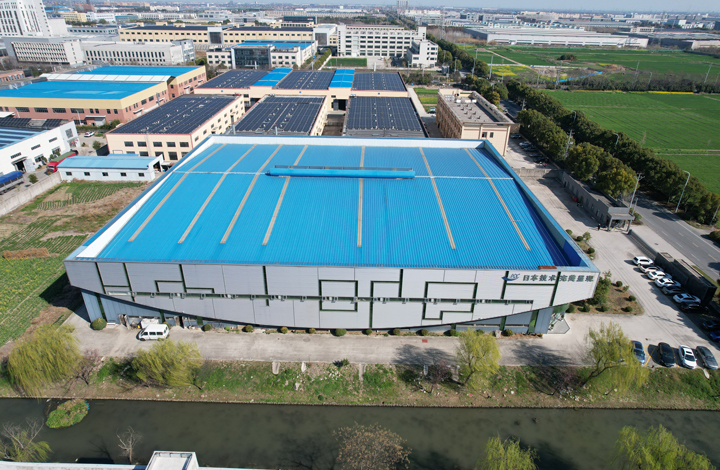
Welcome To Learn About Our Company
Our technological heritage originates from Japan. Over a fifteen-year period, the company provided OEM manufacturing services for renowned Japanese enterprises, gaining profound expertise in precision machining techniques originating from Matsuhama, Japan in the 1970s.
Building upon this foundation, we established our proprietary brand CAT Shanghai in 2010 and simultaneously founded the CAT JAPAN R&D Center in Japan, ensuring our core technologies remain at the forefront of global innovation.

In 2017, the modern production base in Nantong, located within the Jiangsu Hai'an Economic and Technological Development Zone, officially commenced operations, marking the company's entry into a new phase of large-scale, intelligent development.
Leveraging this advanced manufacturing platform, we assembled an elite technical team comprising experts in electrical engineering, software, design, and process technology. We have accumulated over 52 nationally accepted and authorized patents, comprehensively covering the entire spectrum of wood door and panel furniture processing machinery.
Our independently developed PNC intelligent control system enables direct QR code scanning and automatic path optimization, transforming complex machining into simple, efficient operations.
It is precisely this relentless pursuit of technology that has earned Shuping Precision Engineering widespread market recognition. Our production lines achieve exceptional efficiency — 680 wooden doors per day with a three-person shift — alongside 0.01mm-level machining precision, significantly boosting clients' production capacity while reducing labor costs.
Today, hundreds of industry leaders — including Jiangshan Oppein, TATA Wooden Doors, Sofia Home Furnishings, Kendiya Wooden Doors, and Country Garden Modern Home Furnishings — have established long-term partnerships with Shuping Precision Machinery, with our products gaining continuous acclaim within the sector.
Talent is the fundamental driving force behind corporate development. We place high importance on human resource development and cultivation, establishing a scientific and systematic training and incentive mechanism to continuously stimulate team innovation. This lays a solid foundation for the company's sustained growth and internationalization strategy.
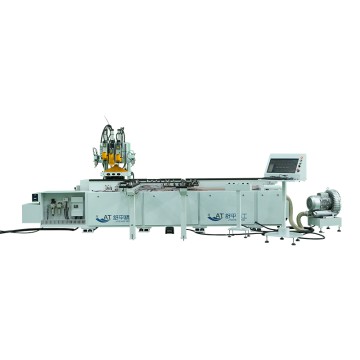
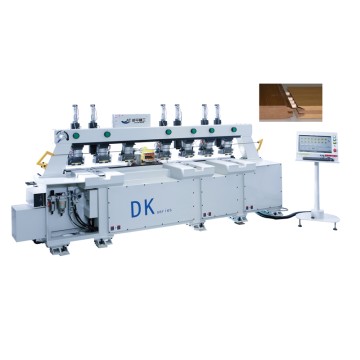
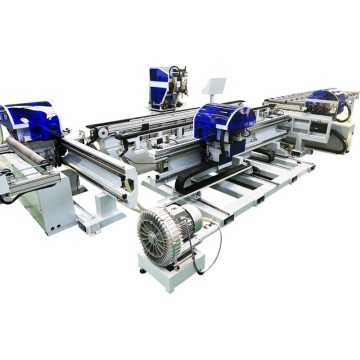
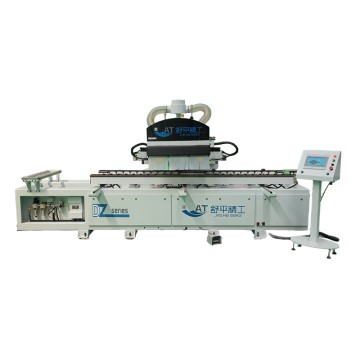
Explore our full lineup of precision machining centers — each engineered for a specific stage of the wood door slab production workflow.
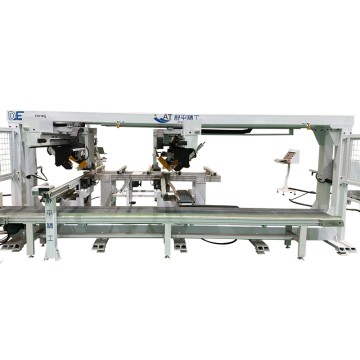
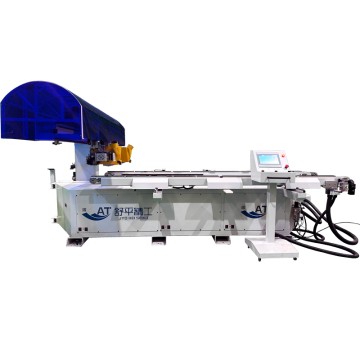
Like the rising sun, Shuping Precision Engineering advances with vigorous vitality and steady strides, continuously enhancing its capabilities while flexibly adapting to market shifts. We look forward to partnering with global clients to jointly pioneer a new chapter in intelligent woodworking manufacturing through continuously innovative products and services.