Leave Your Message

Blog

What Is a CNC Router and How Does It Work?

What Is a CNC Router and How Does It Work?

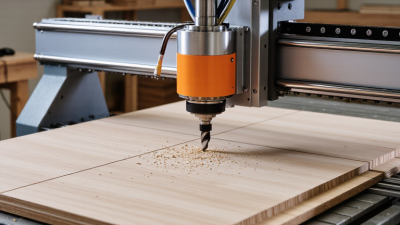
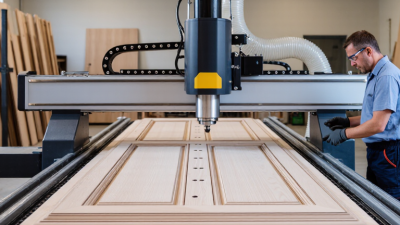
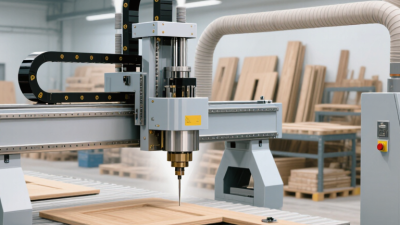
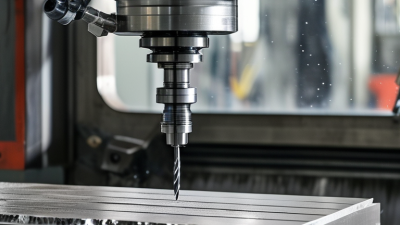
So, a Cnc Router is basically a computer-controlled cutting machine. It takes a digital design and turns it into precise movement across your workpiece. You've got a spindle, cutting tool, gantry, worktable, and controller—pretty standard setup. The spindle spins the bit, and the gantry guides it along the programmed paths. Honestly, it's not that complicated once you see it in action. You know, when you're standing at a workshop table, it could be all sorts of things – like cutting out a sign from plywood, or maybe carving a shallow groove, or shaping the edge of a panel. Stuff like that, really. So, the whole thing kicks off with a design – you convert that into toolpaths and machine instructions. The controller then passes those along to the router's motors. And the machine starts moving the cutter across your material, shaving off tiny bits with each pass. But here's the thing: setup matters a lot. If your workpiece is loose, or the bit isn't right, or the feed rate is off, you'll see it in the finish – even if your design is perfect. In the end, the real results really depend on what material you're using, your machine, the tooling, and honestly, how much experience the operator has. It's a bit of an art, you know? Okay, so here's the deal: a solid introduction really should open with a quote from a named industry expert—real, verified words, not something you just make up. But since we didn't get any source article or actual quotation from you, inventing one would be pretty risky and could genuinely mislead readers. So instead, the upcoming sections are going to walk you through the main components, the step-by-step cutting process, the usual materials, and some practical safety checks. That’ll cover the essentials without any guesswork. You know, they can also point out the tricky spots where newbies tend to hit a wall. Like, machine settings aren't one-size-fits-all, and just because a toolpath looks perfect on screen doesn't mean it'll actually cut clean. That's only part of the story, really.
Read more »
Charlotte By:Charlotte - November 10, 2026
How to Choose the Best Table Saw in 2026?

How to Choose the Best Table Saw in 2026?

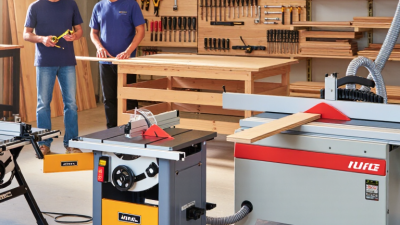
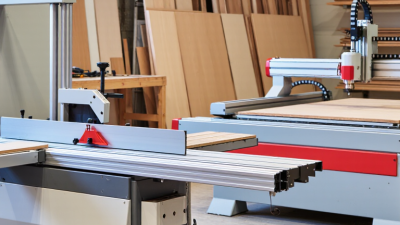
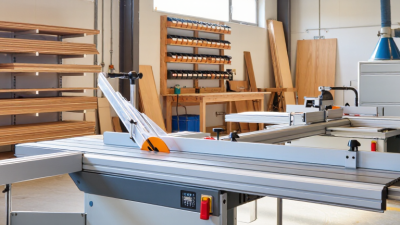
Picking the right table saw in 2026 really comes down to the kind of work you’re actually doing. If you’re hauling tools around for repairs, a compact jobsite saw might be the move. But if you’ve got a permanent workshop and you’re making demanding cuts over and over, a cabinet saw is probably more your speed. When you’re checking one out, pay attention to the fence — it should slide smoothly and stay steady. Give the tabletop a once-over, too, and check blade adjustment and the dust port. Even a tiny wobble is a red flag, and noise matters more than you’d think. Just remember: the best option isn’t automatically the biggest or priciest one. If you've watched any of Steve Ramsey's woodworking content, you know he's all about real-world, project-first advice. Now, I should be upfront: I don't have a verified verbatim quote from him to share here. So take the next line as my summary of his approach rather than something he said word-for-word: 'Pick the saw that actually fits the projects you make, the space you work in, and the skills you've got—not just the one you daydream about.' That distinction is worth thinking about, honestly. Honestly, a Cnc Beam Saw isn’t just another table saw in a different package. It plays a completely different role in production, so you really shouldn’t treat it as a straight swap for a workshop table saw. In the guide below, we’re comparing the main saw types and digging into things like power, blade capacity, safety features, accuracy, and value. Then we’ll get into what actually matters depending on who’s doing the cutting—because the best pick for a production line isn’t necessarily the best pick for a small shop. It also calls out the stuff product listings tend to gloss over—like how much space it’ll take up, how long setup really takes, and yeah, the dust situation. Honestly, there’s no perfect pick out there. But if you compare things carefully, you can still avoid shelling out for something that ends up being a total mismatch.
Read more »
Lillian By:Lillian - November 6, 2026
10 Tips for Choosing a Door Design CNC Machine

10 Tips for Choosing a Door Design CNC Machine

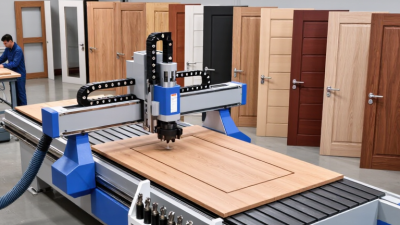
Let's be honest—picking a Door Design CNC Machine isn't just about comparing spindle speeds or which one has the lower price tag. It's a real production decision. It shapes how much design freedom you'll have, how safe your workshop stays, the quality of your finishing, and what your operating costs look like down the road. You know how it is: a machine can look amazing in the showroom, but then you get it in the shop and it chokes on heavy oak doors, narrow profiles, or those repetitive hinge pockets. You can talk about being good all you want, but real performance shows up where it counts: on the factory floor. Michael Turner knows a thing or two about CNC machines—he’s been a CNC applications consultant for over fifteen years, mostly in woodworking. And he has a warning worth listening to: “The best machine isn’t the fastest one; it’s the one that fits your daily work.” That’s a pretty fair point. If you’re a door manufacturer, don’t just look at the specs. Pay close attention to cutting accuracy, how stable the vacuum is, whether the software actually works with your setup, how quick the tool changer is, dust collection, and—maybe most importantly—what kind of after-sales support you’re getting. And before you sign anything, run your own door samples through it. Trust but verify. You know, a really slick demo can totally gloss over the mess underneath. Alright, so this guide is basically about choosing a CNC machine for door design—and doing it with a clear head. We’re going to walk through ten tips that cover everything from solid wood, MDF, plywood, laminated panels, and even custom door patterns. Along the way, we’ll dig into working size, motor power, control systems, how easy it is to maintain, whether your operators can actually run it, and what you might need down the road. Sure, some of this will feel like common sense—but honestly, common sense gets ignored all the time. And when budgets get tight, it’s tempting to go with the cheaper machine. But if the vacuum table’s weak or the software’s limited, you’ll pay for it later in rework and headaches. Look, no machine is perfect—that’s just a fact. Even people who’ve been buying this stuff for years can misjudge things like capacity, noise, or how fast support actually responds. The good news? You can cut down those risks quite a bit by comparing options carefully, taking honest measurements in the workshop, and doing a production trial that’s close to real conditions.
Read more »
Lillian By:Lillian - November 1, 2026
What Are the Top 10 Door CNC Machine Manufacturers?

What Are the Top 10 Door CNC Machine Manufacturers?

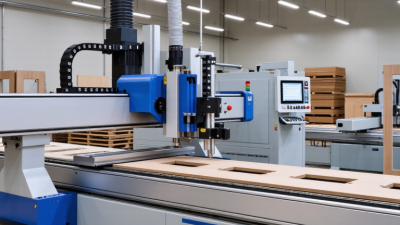
Picking the right Door CNC machine isn't just about comparing price tags or spindle power—there's a lot more to it, honestly. You need something that actually delivers clean door panels, hinge holes that line up perfectly, and consistent edge details every single time. Plus, the software should be stable (nobody wants random crashes mid-job), the machine should be safe to operate, and you really want to know that technical support is actually reachable when you need it. So, this intro takes a look at ten well-known manufacturers—like HOMAG, SCM, Biesse, Felder, Holz-Her, Anderson, Thermwood, Nanxing, Blue Elephant, and Shoda. Each one caters to a different kind of production setup. You've got some that really dig into automated factory lines, while others are more about flexible systems for custom workshops or mid-sized outfits. Depending on how they're configured, their machines can handle solid wood, MDF, plywood, and laminated door bits. But here's the thing—actually testing them out is what really counts. So when we're comparing these machines, we're really looking at a bunch of things—cutting accuracy, how the spindle holds up, the tool changer, dust extraction (which is a biggie, honestly), software compatibility, training, and then what kind of support you get after you buy. But here's the thing: even a beast of a spindle won't save you if your programming is shaky or you slack on maintenance. And in the real world, something as simple as a clogged dust hose or a cryptic error message can totally throw off your whole shift. It's those little things that make or break your day. Of course, specs aren't one-size-fits-all—they shift with the model and where you're buying. So, honestly, it's on you to double-check the latest brochures, certifications, how it's installed, and what kind of service you can actually count on, directly from each manufacturer. And hey, no ranking is ever perfect. A machine that's a dream in a big factory might totally overwhelm a small workshop. On the flip side, a compact Door CNC machine might not have the automation juice you need if you're cranking out high volumes. Honestly, this isn't about picking a single winner and calling it a day. What we're really aiming for is a down-to-earth, evidence-backed starting point—something you can actually use to size up different manufacturers, dig into machine designs, and think about what might bite you in the long run ownership-wise. That said, don't go running off to buy anything just yet; we still need more testing before anyone should put money on the table.
Read more »
Charlotte By:Charlotte - October 28, 2026
Why Choose a Door CNC Machine for Your Business?

Why Choose a Door CNC Machine for Your Business?

So, wondering why your business should really go with a Door Cnc Machine? Let's break it down. Honestly, a CNC door machine can really change the way a workshop handles everyday production. It cuts, drills, grooves, and shapes door panels—all with consistent digital control. So operators can repeat the same design without having to lean on hand measurements every time. And that matters when you’re producing dozens of doors a week. It also helps cut down on those small errors around hinges, locks, and decorative edges. A few millimeters can throw off installation—and trust me, customers notice. Dr. Daniel Schmitt, CEO of HOMAG Group, put it pretty clearly: “Automation only creates value when it actually fits the process, the people, and the product.” That’s a practical way to look at it, honestly. The machine has to work with your materials, your software, the space you’ve got, and the experience of your team. A small workshop might do better with flexible tooling than with the biggest model on the market. And a manufacturer that’s growing? They might care more about automatic loading, barcode tracking, and dust extraction than squeezing out extra cutting speed. Honestly? The best decisions start with real production data—not just whatever's in a report. So take a walk through your workshop. Actually measure those panels sitting around waiting for manual work. Keep an eye out for where mistakes tend to pop up. And talk to the operators—listen to what they're seeing. They usually know. Look, a door CNC machine isn't some magic fix. You still have to deal with maintenance, training, programming, and swapping out tools—all that stuff. And yeah, that's the part people don't love hearing. I've seen businesses jump into fancy equipment before they've even sorted out their workflow. Next thing you know, the machine is just an expensive bottleneck. So before buying, really sit down and compare things like cycle time, material waste, labor needs, service support, and how many orders you actually expect to get. A good supplier? They should be able to show you how things work, hand over the tech docs, and actually stick around with helpful after-sales support. And if you plan things honestly—no overpromising—CNC tech can help you run cleaner, keep quality more consistent, and grow your business with a lot more confidence.
Read more »
Amelia By:Amelia - October 25, 2026
7 Tips for Choosing the Best Door CNC Machine?

7 Tips for Choosing the Best Door CNC Machine?

Choosing the right Door Cnc Machine can shape production quality, labor efficiency, and long-term business stability. A machine may look impressive in a showroom, yet perform poorly with your preferred wood, panel thickness, or door styles. Real selection begins with practical questions about daily workload, workshop space, operator skills, and service access. “Precision is valuable only when it remains consistent across every production shift,” says Michael Chen, an industrial CNC consultant and former applications manager at Biesse Group. His point deserves attention. A powerful spindle cannot compensate for weak calibration or unclear software. Buyers should examine cutting accuracy, drilling capacity, automatic tool changing, dust collection, control-system compatibility, and maintenance requirements. Ask for sample doors, not only polished demonstrations. This guide presents seven useful tips for comparing a Door Cnc Machine with greater confidence. It considers machine structure, working size, production speed, software functions, safety features, technical support, and total ownership cost. These details become visible on the workshop floor: uneven grooves, dusty rails, delayed tool changes, or an operator waiting for technical help. No machine is perfect. A lower-priced model may suit a small custom shop, while a larger manufacturer may need automation and stronger repeatability. Still, some choices require deeper reflection. Do not trust impressive specifications alone. Verify them through test cutting, customer references, warranty terms, and local service records. Reliable evidence matters more than confident sales language. A careful decision may feel slower, but it can prevent expensive downtime and disappointing door quality.
Read more »
Charlotte By:Charlotte - October 20, 2026
What Is a Door Frame and What Types Are Available?

What Is a Door Frame and What Types Are Available?

Think of a door frame as the structural border that holds a door in place—it supports the hinges, latch, and sealing system, and it transfers the door's movement and weight into the wall around it. When it's fitted well, it also helps keep drafts, noise, moisture, and everyday wear under control. In real installation work, even a few millimeters can change how smoothly a door closes. It's a small detail, and honestly, it's easy to overlook. You've got plenty of options: timber, steel, aluminum, uPVC, and composite frames. Timber feels warm and is easy to trim, but it needs protection from moisture. Steel is strong and durable, which is why it shows up in tough commercial settings. Aluminum resists corrosion and works well for modern, lightweight designs. uPVC and composite can cut down on maintenance, though their looks and repair methods aren't the same. Common formats include pre-hung frames, knock-down frames, adjustable frames, and frames made for sliding or pocket doors. A Door Frame Door assembly has to match the wall thickness, door slab, hardware, and how it'll be used. There's no universal best choice. Even experienced installers run into uneven walls, hidden wiring, or measurements that are off. A careful site inspection still matters. Before you pick a frame, check the rough opening, floor level, hinge clearance, and moisture exposure. And where fire, acoustic, or security performance matters, let the manufacturer's specs guide you. This guide walks through how each type works, where it performs well, and what practical limits are worth knowing before you buy or install.
Read more »
Lillian By:Lillian - October 12, 2026
How to Choose the Right Woodworking Machine?

How to Choose the Right Woodworking Machine?

Choosing the right Woodworking Machine really starts with what your shop actually does, not with the shiniest spec sheet. A small cabinet shop might just need a precise panel saw. A custom furniture studio, on the other hand, may get more mileage out of a flexible CNC router. Grand View Research estimates steady growth in the global woodworking machinery market through 2030, driven by automation, renovation demand, and furniture production. But market growth doesn't guarantee a good fit for your purchase. Capacity has to be measured beside the machine, not only inside a brochure. Check cutting thickness, table dimensions, spindle speed, dust extraction, power supply, and service access. A machine rated for 100 panels per day may perform poorly in a dusty workshop with unstable electricity. The U.S. Occupational Safety and Health Administration highlights machine guarding, emergency controls, and safe operating procedures as essential workplace protections. Those requirements should shape your shortlist before you start haggling over price. Data can help narrow things down. Reports from Technavio and Grand View Research point to automation, CNC integration, and better production efficiency as major industry trends. That said, market forecasts use different definitions and research methods. And that inconsistency is worth paying attention to. A cheaper Woodworking Machine may look efficient on paper, but downtime, blade replacement, software training, and delayed spare parts can change the real cost. Ask suppliers for documented accuracy tests, warranty terms, training details, and customer references from similar workshops. Visit a working installation when you can. Touch the controls. Listen to the extraction system. A careful selection process may feel slower, but it helps you avoid expensive mistakes and supports safer, more consistent woodworking.
Read more »
Lillian By:Lillian - October 7, 2026
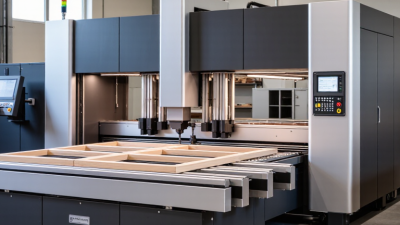
Why Choose a Frame Making Machine for Your Business?

Why Choose a Frame Making Machine for Your Business?

Picking the right Frame Making Machine can really shake up how your workshop runs each day. It’s not just about speed or precision; it influences how efficiently you use labor and how satisfied your customers end up being. A dependable machine does more than just connect wood or composite profiles—it ensures perfect corners, cleaner edges, and steadier, consistent quality in production. Ethan Cole, an independent frame-production engineer with over twenty years of hands-on factory experience, puts it simply: “The best Frame Making Machine isn’t necessarily the fastest. It’s the one your team can manage comfortably every single day.” That’s a point worth considering. Sure, a high-speed model sounds impressive, especially when you see a bunch of unfinished frames waiting to be finished. But if it’s poorly calibrated, you end up with uneven miter joints, weak connections, and rework that eats up time and money—that’s something folks often underestimate. When choosing the right machine, you want to think about your typical frame sizes, the materials you prefer, how many orders you handle, and of course, how much space you have available. Pay close attention to things like clamping strength, cycle speed, how easy it is to get at the tooling, and what kind of training your workers will need. Also, ask about how fast replacement parts can be shipped. And don’t forget to check if the manufacturer provides clear manuals and reliable technical support. These little details can make a big difference, especially when it’s 7 a.m., and your production line suddenly stalls because of a sensor failure. There’s also plenty of less obvious benefits. Steady output means less material waste and helps keep finishing schedules on track. Plus, safer operation can lessen the physical strain on your crew during repetitive tasks. But here’s the thing—automation isn’t some kind of magic fix. Your team still needs proper training, maintenance routines should be disciplined, and you’ve got to run the numbers based on real order data to figure out if the investment makes sense. The goal is for the machine to support your workflow—not force your entire business to fit some rigid mold. Start small: identify what you really need, test practically, and be honest with yourself about what’s working and what’s not.
Read more »
Charlotte By:Charlotte - October 1, 2026
Who Are the Best High End Door Handle Suppliers in China?

Who Are the Best High End Door Handle Suppliers in China?

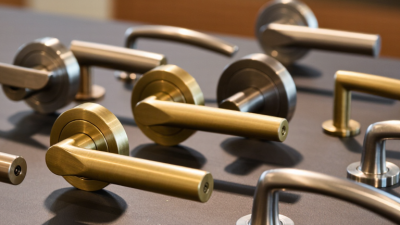
You probably touch door handles every day without giving it much thought—until one starts to look worn out or feels a bit loose when you turn it. If you're shopping around for high-end door handles, you're probably realizing that it’s not just about picking a pretty design. The real challenge is finding suppliers who can deliver steady quality—materials that stay consistent, finishes that look perfect every time, reliable samples, and consistent production quality, no matter how big the order is. According to the 2024 Houzz & Home Study, about 54% of homeowners in the U.S. renovated something in 2023, with the typical spend around $24,000. Now, they didn’t specifically track door hardware, but it gives us a good sense—renovations involve a lot of visible, often touched details. So, in this guide, we’re taking a practical look at Chinese suppliers through key sourcing points: brass and stainless steel options, finish consistency, testing docs, customization possibilities, and how easy they are to communicate with. Seeing a shiny showroom sample is great, but don’t just rely on that—be sure to ask how they check the finish on an entire batch of production. Architectural thinker Juhani Pallasmaa once said, “The door handle is the handshake of the building.” That’s a pretty vivid image. But honestly, a handle isn’t just about how it looks—it's got to work smoothly even after thousands of touches. When choosing your supplier, keep in mind that rankings and reviews aren’t everything. Even the best factory might not be the right fit for your specific order size or specs. It’s okay to admit that. This comparison is here to help architects, developers, and importers ask smarter questions and find capable Chinese partners so that when you place a high-value order, you’re more confident you’re getting what you need.
Read more »
Amelia By:Amelia - September 28, 2026
How to Choose the Right Woodworking Machine?

How to Choose the Right Woodworking Machine?

Choosing the right woodworking machine isn’t just about grabbing the biggest model out there. Instead, it’s more about finding something that matches your needs in terms of capacity, precision, and safety for the actual work you do. I mean, a cabinet shop cutting full sheets of plywood is going to need totally different equipment compared to a cozy little studio shaping chair parts. Before you start comparing prices, it’s smart to list out your typical materials, the biggest workpieces you'll be handling, your daily output goals, and how much space you’ve got available. Then, check out the blade or cutter capacity, fence adjustability, dust collection setup, ease of maintenance, and whether spare parts are easy to get. While market trends matter—industry reports like Grand View Research pegged the global woodworking machinery market at around US$4.72 billion in 2023 and expect it to keep growing through 2030—that doesn’t mean one machine suits everyone. That’s where it gets tricky. You really want to compare specs, read independent reviews, dive into manufacturer info, and even try to see the machine in action if possible. Pay attention to the little details. For example, if a fence slips when you push on it, your cuts can go all wonky. Or if the machine fits through your doorway but blocks your workspace or makes safe movement tricky, it’s probably not the right fit. George Vondriska, a well-known woodworking educator, always advises focusing on what you actually do in your shop, rather than just chasing fancy features or the latest tech. Choosing equipment based on your real work will save you headache later—which is especially important if an upgrade is tempting but stretches your budget too thin. Smart choices make your routine work smoother, keep adjustments simple, and leave room to grow into your future projects. In the end, it’s about making sure your new tool works for you, not the other way around. Think carefully, and don’t rush—it’ll pay off in the long run.
Read more »
Lillian By:Lillian - September 24, 2026
China Top 10 Industrial Woodworking Machinery Manufacturers

China Top 10 Industrial Woodworking Machinery Manufacturers

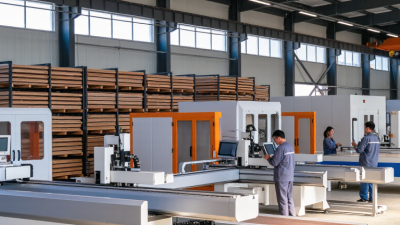
China’s industrial woodworking machinery scene has definitely moved past just competing on low prices. Nowadays, it’s about a mix of automation, CNC control, nesting systems, edge banding, and smart factory management. Of course, when buyers look around, they want more than shiny brochures — they need machines that deliver consistent accuracy, reliable service, genuine spare parts, and proven results over time. In this overview, I want to introduce you to ten key Chinese manufacturers — companies like Nanxing Machinery, KDT Machinery, Qingdao Hicas, Fulpow, Jinan Singhui CNC, Foshan Shunde Jaya, Qingdao Haosong, Yalian Machinery, Qingdao Yongqiang, and Hengtong. But honestly, size or marketing buzz isn’t everything. What really matters is how their machines perform in real life. You should look at factors like the sturdiness of their machine structures, processing speeds, whether their software plays nicely with your existing systems, safety features, operator training programs, experience with exports, and how solid their after-sales support is. Watching demos at their factories and talking to long-term customers can give you a much clearer picture. And here’s a little food for thought: quality isn’t just a one-off thing — it’s a continuous process. As Dr. W. Edwards Deming, a legend in manufacturing quality, once said, ‘Quality comes not from inspection, but from improving the production process.’ That’s so true for today’s woodworking plants. Even the fastest CNC router won’t cut it if it gets out of calibration or if the software support suddenly vanishes. Or consider an affordable edge bander — it might seem cheap, but if it’s constantly breaking down and causing downtime, it ends up costing more in the long run. Sometimes, it’s easy to overlook these details, especially since manufacturer info can change pretty quickly from region to region — so I think acknowledging that is important. The manufacturers I talk about here aren’t ranked just based on their size or marketing hype. Instead, I focus on their technical expertise, how consistent their production quality is, their ability to customize solutions, and how dependable their after-sales service is. This overview is designed to help furniture makers, cabinet shops, and panel processing businesses compare real-world options. Remember, though — the final decision should still be based on an on-site visit, testing samples yourself, and calculating the total costs carefully. It’s all about making an informed choice that fits your specific needs.
Read more »
Charlotte By:Charlotte - September 20, 2026
China Top CNC Boring Machine Suppliers for Global Buyers

China Top CNC Boring Machine Suppliers for Global Buyers

China has really positioned itself as a major player when it comes to heavy-duty metalworking equipment, especially for folks looking for good value, custom options, and support for exporting. This guide aims to help you navigate through China’s top Cnc Boring Machine suppliers, focusing on practical buying tips rather than just hype. We’ll look at things like machine rigidity, spindle performance, table accuracy, control systems, and how solid the after-sales support is. A trustworthy supplier should be upfront about details like boring diameter, travel distance, spindle torque, positioning accuracy, and recommended materials. It’s also a good idea to check out their factory processes, testing records, inspection tools, and even sample machined parts if possible. When you get a quote, make sure it's clear—break down the costs for the machine, tooling, setup, training, packaging, shipping, and spare parts. Companies like Dalian Machine Tool Group, SMTCL, and Qier Machine Tool Group are definitely worth checking out, but don’t just rely on their reputation—verify that their machines really meet your needs. Details really tell you a lot about a company's experience, so don’t be shy about asking for a video showing a steel housing being bored, measured, and adjusted. Also, find out if they support controls like Siemens or FANUC if that’s what you prefer. Check how quickly they respond to tech questions and whether they have service engineers nearby—that stuff matters. Certifications can help build trust, but honestly, they’re no substitute for real proof of performance. No ranking system is perfect either. Some factories might excel with big horizontal models but offer less support for smaller workshops, or maybe they have a great price but poor documentation. This guide recommends doing factory visits, checking references, and even placing small trial orders to really test things out. The right CNC boring machine should fit your material, tolerance requirements, production volume, available space, and maintenance plans for the long run. Sometimes it takes a bit longer to make the right call, but it’s usually worth it—cheaper than dealing with costly mistakes after buying something that doesn’t quite cut it.
Read more »
Lillian By:Lillian - September 15, 2026
China Top Door Components Suppliers for Global Buyers?

China Top Door Components Suppliers for Global Buyers?

Picking out China’s top door component suppliers isn’t just about scanning through price lists. Honestly, global buyers really need reliable hardware, consistent production, clear docs, and good communication. Sometimes, a supplier might show off some really nice samples, but the reality is, their batch-to-batch consistency can vary quite a bit — and that’s something you don’t want to overlook. Michael J. O’Rourke, an experienced expert in architectural hardware, always reminds folks: “A door is only as reliable as its smallest working part.” And he’s totally right. Whether it’s hinges, locks, door closers, seals, rollers, handles, or thresholds — everything has to work smoothly together. One weak spring or a screw that’s not quite machined right can mess with safety, make noise, or shorten the overall lifespan. In this guide, I’ll walk you through some of the main Chinese suppliers that cater to international projects. I’ll look at things like product variety, manufacturing experience, quality checks, testing history, customization options, packaging, and after-sales support. Companies like Guangdong Archie Hardware, Kaadas, Ozone, and Guangdong Kin Long Hardware often come up in conversations with global buyers. But keep in mind, each of them has their own strengths. Some focus more on architectural hardware, while others are big on smart locks, access systems, or bulk door fittings. Visiting factories can still be pretty valuable. Same with third-party inspections, approving samples, and keeping track of batch records. Certifications are helpful too, but they’re not a full guarantee. Just because a certification proves a particular model was tested doesn’t mean every single unit produced matches that quality — that’s a bit of a rough patch that buyers should be aware of. You should also check how well finishes hold up over time, the quality of screws, how well the packaging protects the parts, policies for replacements, and how quickly they reply to questions. Little details like these become a big deal once you get a container full of mismatched parts or low-quality hardware. China has a lot of manufacturing power, no doubt, but finding the right supplier still takes patience, some technical know-how, and a willingness to question those shiny claims that sound too good to be true.
Read more »
Charlotte By:Charlotte - September 12, 2026
2026 Best Door Equipment Types for Global Buyers?

2026 Best Door Equipment Types for Global Buyers?

As we step into 2026, buyers around the world are exploring a wider range of door equipment options than ever before. The category now covers everything from hinges and door closers to panic hardware, automatic operators, access control systems, seals, and fire-rated components. And honestly, each of these pieces can really influence safety, how accessible a building is, how much maintenance it needs, and what the long-term costs look like. Looking at the latest report from Grand View Research on door systems in 2024, it’s clear that ongoing construction and renovation projects continue to drive growth for both commercial and residential doors. Meanwhile, MarketsandMarkets highlights a steady rise in demand for electronic access control, thanks to the rise of smart buildings, credential management, and integrated security setups. All good info, but it doesn’t cover everything you need to know when making a purchase. For example, a hotel entrance in Singapore needs different specs compared to a warehouse door in Canada. Things like climate, traffic volume, voltage needs, exposure to corrosion, and local certification requirements can really change what’s the right choice. Details really do matter here. A procurement manager should take a close look at tested cycle life, load ratings, spare parts availability, installation guides, and warranty response times. Also, publications from industry leaders like ASSA ABLOY point out that the industry is moving toward more connected access and integrated building solutions. That’s useful info, but bear in mind that adding connectivity can mean extra work during setup and could bring cybersecurity concerns. So, don’t just pick equipment based on slick marketing images or the lowest quote. I’ve seen situations where two seemingly similar door closers performed quite differently after a while—particularly when door weight and opening force weren’t well matched. Some reports tend to oversimplify this complex market. To really make a solid comparison for 2026, you need to combine published data with actual site experience, independent testing, transparency from suppliers, and a realistic maintenance plan.
Read more »
Lillian By:Lillian - September 9, 2026